
2026 Top Pet Food Container Types for Global Buyers?
The 2026 pet food market will demand more than attractive shelves and familiar packaging. Global buyers now compare freshness protection, transport strength, opening comfort, recyclability, and total cost. A Pet Food Container must perform from factory pallet to kitchen cupboard.
Industry data supports this broader view. The American Pet Products Association’s 2025–2026 National Pet Owners Survey shows continuing household spending on pet care in the United States. Euromonitor International also identifies premiumization, convenience, and health-focused products as important global pet food trends. Meanwhile, Grand View Research and Smithers reports highlight continued development in flexible packaging, rigid plastic, metal, and barrier materials. Their market estimates differ, however. That difference deserves attention.
No single container wins everywhere.
A lightweight stand-up pouch may reduce shipping weight and offer a resealable zipper. A metal can can provide strong protection for wet food and long shelf stability. Rigid plastic containers often suit dry food because they resist impact and support repeated use. Glass looks premium, but its weight and breakage risk can limit international distribution. Small details matter. A weak lid, dusty scoop, or poor seal can damage buyer confidence quickly.
Robert Lilienfeld, a recognized packaging sustainability writer and analyst, has often emphasized, “Packaging is the product.” His point is practical for pet food buyers. The container affects safety, waste, handling, branding, and customer experience together. This guide compares the leading 2026 Pet Food Container types for global purchasing decisions. It also questions optimistic sustainability claims, because real performance depends on local recycling systems, shipping routes, and everyday consumer behavior.
What Are the Main Types of Pet Food Containers in 2026?
2026 Top Pet Food Container Types for Global Buyers
What Are the Main Types of Pet Food Containers in 2026?
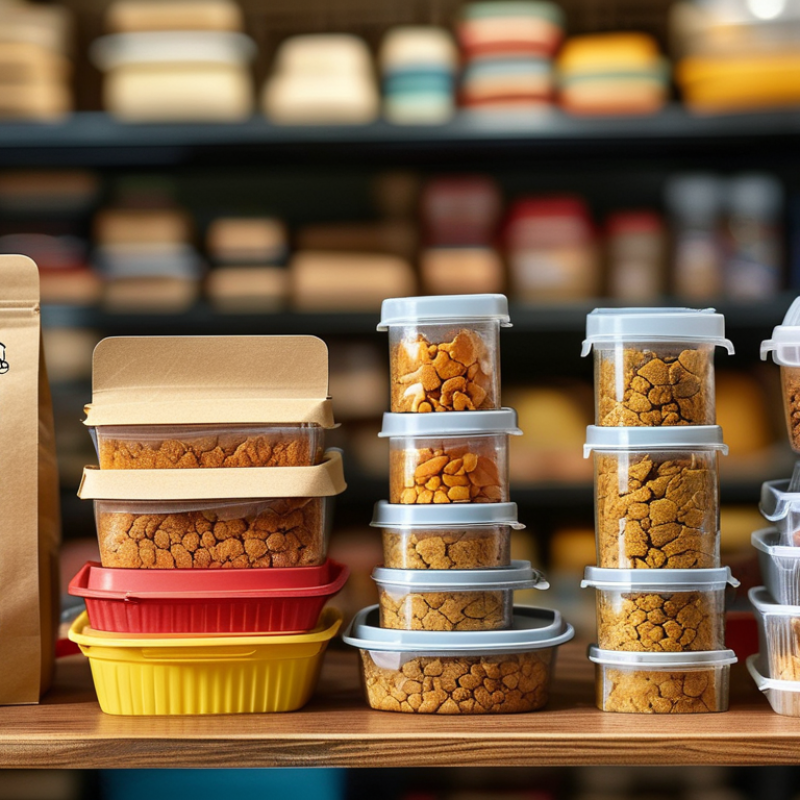
Pet food containers now serve different storage and transport needs. Rigid plastic bins remain popular because they are lightweight, stackable, and easy to clean. They suit dry kibble in homes, warehouses, and retail displays. Stainless steel containers offer strong moisture resistance and do not absorb food odors. Glass jars provide a clear view of the contents, although their weight and breakage risk can limit wider shipping.
Flexible pouches are gaining attention for single-serve meals, treats, and specialty diets. They use less storage space and can reduce transport weight. However, pouch performance depends on sealing quality and barrier layers. Paper-based cartons may support sustainability goals, but they need reliable moisture protection. No container wins every test. A cheaper option can create hidden costs through spills, damaged seals, or difficult recycling.
Tips: Match the container to the food texture, shelf life, and delivery route. Check closure strength, food-contact suitability, and cleaning instructions. For export buyers, request material details and packaging test records. A scoop-friendly opening helps reduce waste. Clear labeling also prevents storage mistakes. Small details matter.
In practical purchasing reviews, airtight performance often matters more than appearance. Buyers should test containers with real kibble sizes and household handling conditions. They should also inspect corners, hinges, and gasket areas. These parts may fail first. Reusable designs can be valuable, but only when owners actually clean them regularly. Convenience is still a deciding factor.
How Do Pet Food Container Materials Compare?
For global buyers, pet food containers should be compared by barrier performance, not appearance alone. Dry kibble needs protection from oxygen, moisture, light, and pests. Multilayer plastic bags usually provide strong moisture and oxygen resistance with low transport weight. The Flexible Packaging Association reports that flexible packaging can use less material than many rigid formats, but mixed layers may complicate recycling. That trade-off is easy to overlook.
Metal cans offer excellent light and oxygen protection. They also tolerate heat processing and long storage. However, steel and aluminum add weight, while opened cans require refrigeration. Glass provides a strong barrier and a premium tactile experience, yet it is heavier and vulnerable to breakage during global transport. Practical warehouse testing matters here. A container that survives a warehouse drop is more useful than one that only looks sustainable.
Paper-based bags can reduce plastic use, but their performance depends on coatings and inner liners. The World Packaging Organisation’s packaging sustainability guidance emphasizes fit-for-purpose design and lifecycle assessment rather than material substitution alone. Recyclable mono-material plastic may simplify recovery, but it can need thicker structures to match multilayer protection. That is not always a clear environmental win. The 2024 Global Pet Expo market brief also showed continued demand for convenient, resealable pet food formats, especially among urban households. Buyers should test seal strength, moisture gain, odor transfer, filling-line compatibility, and local recycling access before choosing a container type.
Which Container Features Support Freshness and Safe Storage?
Pet food containers protect quality only when their design matches the food, room, and daily handling routine. Dry kibble needs a tight seal, while moist food needs a washable, corrosion-resistant container. Freshness starts with less air, heat, light, and moisture. An airtight lid with a flexible gasket can reduce odor and slow oxidation. However, airtight does not mean freshness forever. Inspect the seal monthly.
Food-contact-safe plastic or stainless steel offers a practical balance of durability and cleaning ease. A translucent body helps users check levels, but opaque walls protect sensitive fats from strong light. Choose a wide opening for a clean scoop and rounded corners that do not trap crumbs. Locking lids matter in busy homes, especially where children or curious animals can reach storage. The scoop matters. A detachable, dry scoop prevents moisture from entering the food.
For global buyers, humidity and temperature shifts deserve attention during shipping and warehouse storage. Choose a size that supports regular turnover, not months of open storage. Filling a large bin with warm, newly delivered food can trap unwanted moisture. Keep the container cool, dry, and above the floor. Pouring new food over old food seems efficient, yet it can hide stale pieces. Empty and clean the bin between batches. That small inconvenience is often worth the clearer inspection.
2026 Top Pet Food Container Types for Global Buyers? - Which Container Features Support Freshness and Safe Storage?
| Container Type | Common Materials | Typical Capacity | Freshness-Supporting Features | Safe Storage Features | Best Use | Global Buyer Considerations |
|---|---|---|---|---|---|---|
| Airtight Plastic Bin | Food-contact polypropylene or high-density polyethylene | 5–25 kg of dry food, depending on food density and container design | Gasketed lid, snap-lock closure, and reduced exposure to air and humidity | Food-contact-grade material, rigid walls, wide opening for cleaning, and stable base | Large bags of dry kibble and multi-pet households | Check food-contact compliance, plastic identification code, UV protection, and replacement-gasket availability |
| Stackable Modular Bin | Food-contact polypropylene, polyethylene, or multilayer plastic | 2–15 kg per unit | Sealed lids, limited headspace, and stackable form that reduces frequent handling | Interlocking base, tip-resistant design, rounded corners, and clear fill markings | Pantries, apartments, and organized retail or warehouse storage | Confirm load-bearing performance, dimensional consistency, and compatibility with local recycling systems |
| Metal Canister | Stainless steel or coated steel with a food-contact lid seal | 1–8 kg of dry food | Low light transmission, tight-fitting lid, and limited odor absorption | Corrosion-resistant surface, food-contact liner where required, and smooth cleanable interior | Kitchens, smaller food quantities, and odor-sensitive environments | Inspect for rust resistance, coating safety, dent resistance, and local metal-recycling guidance |
| Glass Jar or Container | Food-contact glass with silicone or elastomer sealing ring | 0.5–3 kg of dry food | Non-porous surface, strong odor barrier, and airtight clamp or screw lid | Chemically stable container body, easy visual inspection, and easy cleaning | Treats, supplements, wet-food leftovers, and small portions | Consider breakage risk, shipping weight, thermal-shock resistance, and protective packaging requirements |
| Resealable Stand-Up Pouch | Multilayer plastic film, sometimes with a foil or high-barrier layer | 0.2–5 kg of dry food or treats | Press-to-close zipper, high-barrier film option, and low container weight | Heat-sealed top, tear notch, food-contact inner layer, and tamper-evident feature when supplied | Treats, travel portions, and short-to-medium-term storage | Material recyclability varies; verify barrier structure, seal integrity, and regional collection availability |
| Vacuum-Seal Storage Canister | Food-contact plastic, glass, or stainless steel with valve and gasket | 0.5–5 kg | Air-removal valve, airtight seal, and reduced oxygen exposure after sealing | Food-contact seal, pressure-rated components, cleanable valve, and secure locking lid | High-value dry food, limited-use diets, and freshness-sensitive treats | Check whether the system requires a compatible pump, replacement seals, or regular valve maintenance |
| Portion-Control Travel Container | Food-contact polypropylene, silicone, or flexible multilayer material | 0.2–2 kg | Resealable closure, compact compartments, and protection from moisture during transport | Leak-resistant design, secure cap, impact resistance, and easy-to-clean surfaces | Travel, outdoor activities, boarding, and daily measured portions | Prioritize lightweight construction, local food-contact approval, and closure performance after repeated use |
| Wet-Food Refrigerator Container | Food-contact glass, polypropylene, or polyethylene with sealing lid | 0.25–2 L | Airtight lid helps limit odor transfer and surface drying after opening | Leak-resistant seal, refrigerator compatibility, easy-clean interior, and clear date labeling area | Opened cans, pouches, or homemade pet food stored in a refrigerator | Follow local food-safety guidance; refrigeration slows spoilage but does not make food shelf-stable |
| Bulk Food Storage Drum | Food-contact polyethylene or polypropylene, sometimes with a metal reinforcement ring | 15–50 kg, depending on size and food density | Large gasketed lid, moisture-resistant body, and optional inner liner | Heavy-duty walls, secure locking ring, pallet-friendly base, and protection from pests | Breeders, shelters, farms, retailers, and high-volume buyers | Confirm handling weight, warehouse stacking limits, hygiene procedures, and transport regulations |
Storage note: For dry pet food, keep the original product information and lot details, close the container after each use, store it in a cool and dry place, and avoid direct sunlight. The stated capacity is an approximate guide because kibble density and container geometry vary. For opened wet food, use a clean sealed container and follow the product label and applicable food-safety guidance for refrigeration and use time.
How Should Global Buyers Choose the Right Container Type?
Start with the product. Dry kibble needs moisture resistance, strong seals, and enough space for clean pouring. Metal cans suit wet food because they protect against light and oxygen. Flexible pouches can reduce shipping volume, but their seals need careful testing.
Moisture changes everything.
Global buyers should match the container with transport conditions. A long sea journey may involve heat, humidity, stacking pressure, and repeated handling. Rigid plastic tubs offer useful durability for household storage. Recyclable paper-based packs may support sustainability goals, but they can perform poorly in damp warehouses. The best choice depends on the full route, not only the shelf display.
Check food-contact suitability, closure strength, labeling space, and filling-line compatibility before placing a large order.
Ask suppliers for migration data, seal tests, drop tests, and samples from actual production. Small details matter. A lid that feels secure in a showroom may loosen after vibration.
I have seen buyers focus too heavily on unit price and overlook damaged goods, storage loss, or difficult recycling instructions. That approach saves money briefly, but it can create larger costs later.
Test before scaling.
Also review destination-market packaging rules with qualified local professionals, because accepted materials and labeling requirements can differ significantly.
What Packaging Standards and Market Factors Affect Global Purchasing?
2026 Top Pet Food Container Types for Global Buyers?
Global buyers now compare metal tins, rigid plastic tubs, flexible pouches, and resealable bags. The best format depends on product moisture, serving size, transport distance, and local shopping habits. Wet food needs strong leak protection and corrosion resistance. Dry food needs reliable barriers against moisture, oxygen, and pests. Flexible packaging can reduce shipping weight, but its recycling pathway may remain unclear in some markets.
Packaging standards affect approval, customs clearance, and retailer acceptance. Buyers should request food-contact declarations, migration test results, material specifications, and production lot traceability. Closure performance also matters. A weak seal can cause odor loss, contamination concerns, or damaged cartons. Recycling claims require careful verification because collection systems differ widely between countries. A recyclable structure on paper may not be recyclable locally. That gap deserves attention.
Tips: Test samples under real shipping conditions, including heat, humidity, stacking, and vibration. Check whether labels show ingredients, net weight, batch details, storage guidance, and feeding information. Compare total landed cost, not only unit price. No format wins everywhere. One common mistake is choosing a lightweight container before checking shelf-life data. A slower decision may prevent expensive packaging changes later.
2026 Top Pet Food Container Types for Global Buyers
Comparative procurement-fit index based on food-contact compliance, shelf-life protection, recyclability potential, logistics efficiency, cost control, and consumer convenience. The index is an editorial benchmark, not a market-share estimate.
Flexible pouches and rigid plastic containers score strongly because of their low transport weight and format flexibility. Metal cans remain highly suitable for wet pet food because of their robust protection and long shelf-life performance. Global purchasing decisions should also verify applicable food-contact rules, recycling requirements, labeling obligations, and local extended producer responsibility systems.
