2026 Top Wrapping Machine Trends for Global Buyers?
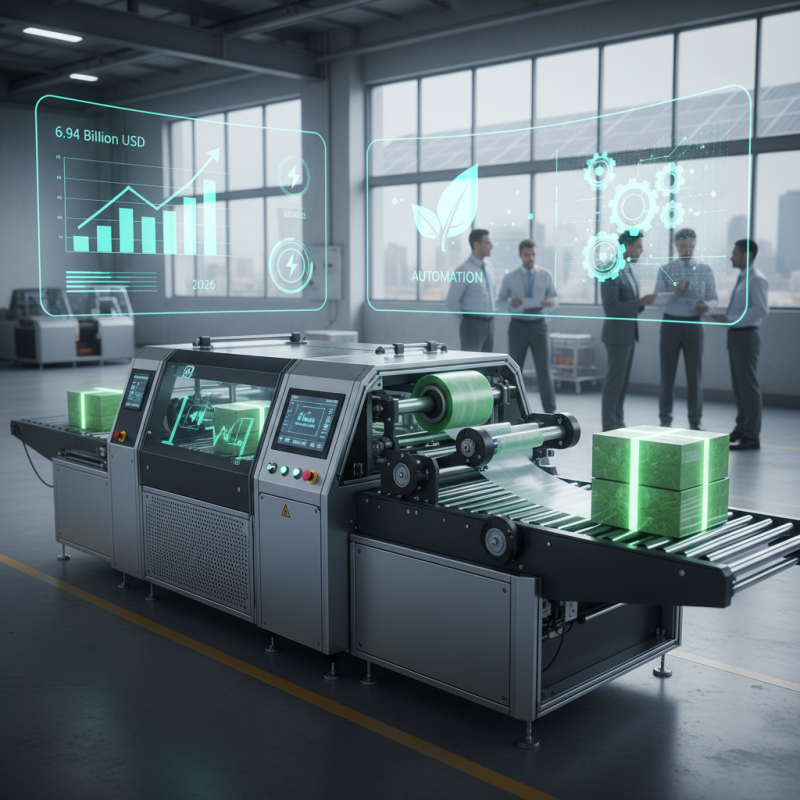
As the global market evolves, so do the technologies relevant to packaging. The wrapping machine industry is experiencing significant innovations. A report by Future Market Insights estimates that the wrapping machine market will reach USD 6.94 billion by 2026, with a compound annual growth rate of 6.2%. This highlights the increasing demand for efficient and automated solutions.
One key trend is sustainability. The industry is shifting towards eco-friendly materials and energy-efficient machines. Brands are pressured to reduce waste. However, it's challenging to balance cost and sustainability. Many manufacturers are still struggling to adopt greener practices.
Another major trend is automation. Smart wrapping machines are transforming operations. They enhance efficiency and minimize human error. Yet, these advancements come with a learning curve. Some workers may feel threatened by technology. Choosing the right wrapping machine remains crucial for businesses looking to stay competitive. Embracing these trends will be essential as we approach 2026.
Emerging Technologies in Wrapping Machines for 2026
As we look ahead to 2026, the wrapping machine industry is poised for remarkable changes, driven by innovative technologies. Data from recent market research indicates that automation in wrapping machines will increase by over 30% by 2026. This trend highlights the growing need for efficiency in production processes. Emerging technologies like AI and IoT are leading this charge.
One significant advancement involves the integration of smart sensors in wrapping machines. These sensors monitor product dimensions in real-time, ensuring accuracy while minimizing material waste. Reports suggest that businesses can reduce waste by up to 25% with these advancements. Moreover, machine learning algorithms are improving the predictive maintenance of wrapping machines, thus extending their lifespan and reliability.
The industry also sees a shift toward sustainable materials. Many manufacturers are exploring biodegradable films and eco-friendly packaging solutions. A 2023 survey revealed that 60% of companies prioritize sustainability in their packaging strategies. This shift can lead to more responsible waste management practices. However, challenges remain in balancing sustainability with cost-effectiveness, and that requires ongoing innovation and analysis.
2026 Top Wrapping Machine Trends
Sustainable Materials and Eco-Friendly Practices in Packaging
As the global demand for sustainable packaging continues to rise, companies are increasingly adopting eco-friendly practices. A recent report from Smithers Pira indicates that the sustainable packaging market will reach $500 billion by 2028. This rapid growth reflects a significant shift in consumer preferences toward environmentally responsible products. Many companies are now prioritizing recyclable and biodegradable materials in their packaging solutions.
One notable trend is the use of plant-based plastics. According to recent findings, bioplastics are expected to represent 20% of the global plastic market by 2027. These materials offer similar durability to traditional plastics but with the added benefit of being derived from renewable resources. However, challenges remain. The production of bioplastics can still be energy-intensive, and not all of them are compostable. Hence, continuous improvement in processing methods is necessary.
Moreover, brands face issues with supply chain transparency. Many manufacturers are still unsure about the lifecycle impact of their packaging materials. Research shows that over 60% of consumers want more information on sourcing and environmental impact. This gap in communication indicates a need for better labeling practices. Engaging consumers effectively can bridge this gap and improve brand loyalty. Sustainable packaging is not just a trend; it is becoming a necessity.
2026 Top Wrapping Machine Trends for Global Buyers
| Trend | Description | Impact on Packaging | Year of Adoption |
|---|---|---|---|
| Biodegradable Materials | Using materials that decompose naturally to reduce waste. | Significantly decreases landfill contribution. | 2024 |
| Recycled Plastics | Incorporating recycled plastics in the production of packaging materials. | Reduces virgin plastic demand; promotes circular economy. | 2025 |
| Smart Packaging | Packaging integrated with technology for tracking and freshness indicators. | Enhances consumer experience; minimizes waste. | 2026 |
| Reduced Packaging | Minimizing packaging size and material usage without compromising quality. | Lower material costs and environmental impact. | 2023 |
| Plant-Based Inks | Using inks derived from natural sources instead of petroleum. | Safer for the environment; improves recyclability of packages. | 2025 |
Automation and Smart Technology Trends in Wrapping Machines
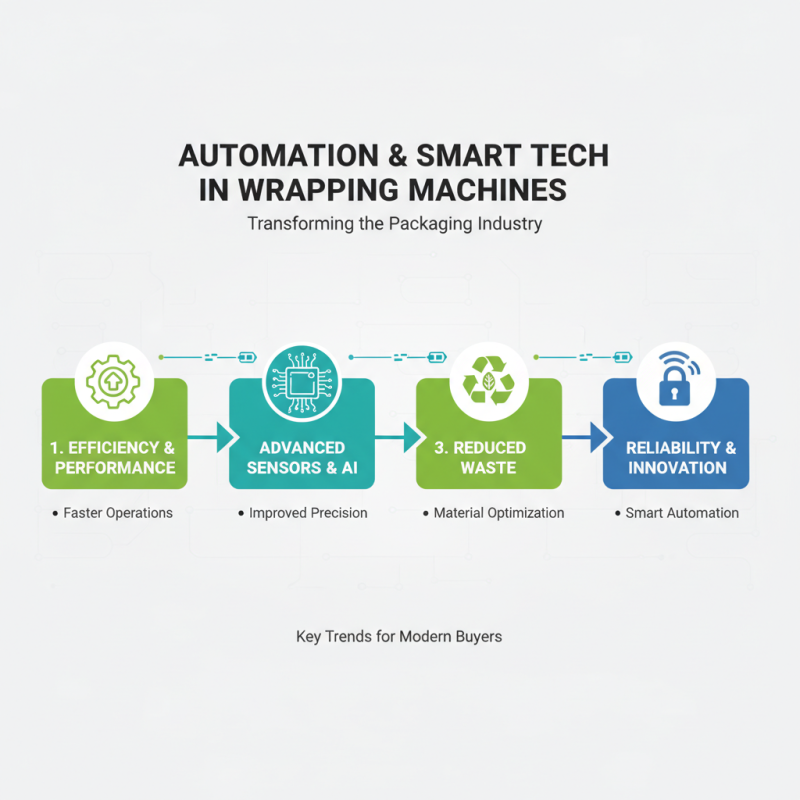
The wrapping machine industry is rapidly transforming, driven by automation and smart technology. As buyers look for efficiency, smart wrapping machines offer enhanced performance and reliability. These machines now utilize advanced sensors and AI to improve precision during the wrapping process. This innovation helps reduce material waste and speeds up operations.
Automation is not just about speed. It also enhances safety in manufacturing environments. Machines equipped with vision systems can detect misalignments or faulty products in real-time. This proactive approach minimizes the risk of errors. Smart technology is making a significant impact on supply chains, allowing for better tracking and inventory management.
Tips: Invest in training for your workforce on new technologies. A well-informed team will optimize machine use. Regular maintenance of wrapping machines can prevent costly downtimes. Keep updated on technological advancements; they can provide a competitive edge. Consider the long-term benefits of integrating smart technology into your packaging operations.
Market Demand and Consumer Preferences Shaping the Future of Packaging
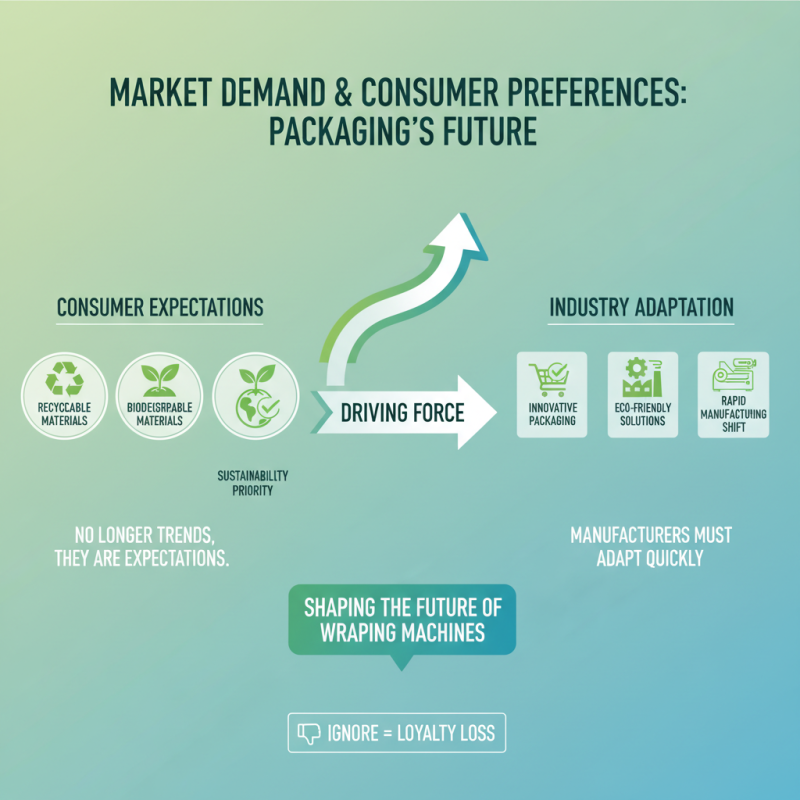
The demand for innovative packaging solutions is shaping the future of the wrapping machine market. Consumers are increasingly prioritizing sustainability. Recyclable and biodegradable materials are no longer trends; they are expectations. Brands that ignore these preferences may struggle to retain loyal customers. The urgency for eco-friendly solutions compels manufacturers to adapt at a rapid pace.
Consumer preferences also lean towards personalization and convenience. Packaging that enhances user experience can significantly influence purchasing decisions. For instance, easy-to-open designs or resealable features are in high demand. This aligns with busy lifestyles and the need for efficiency. Moreover, vibrant designs and unique shapes attract consumer attention on store shelves, making aesthetic appeal crucial.
Technological advancements play a vital role in meeting these demands. Automation and smart machines are evolving the packaging industry. However, some businesses may find it challenging to keep up with fast-paced technological changes. Integrating cutting-edge technology requires substantial investment and expertise. Balancing innovation with practicality is a challenge many face. As the market continues to develop, reflecting on these dynamics will be essential for staying relevant.
Innovative Designs and Customization in Wrapping Solutions for Buyers
The wrapping machine market is evolving rapidly with innovative designs and customization options. According to recent industry reports, about 70% of global buyers seek tailored solutions that meet their specific needs. This trend emphasizes the shift from standard machines to ones that can accommodate unique packaging challenges. Customization not only improves efficiency but also enhances product presentation.
Buyers can benefit significantly from understanding the latest trends. For instance, integrating smart technology into machines has shown to increase operational efficiency by 30%. The introduction of user-friendly interfaces makes training easier. Businesses can adapt quickly without extensive downtime.
Tips: Invest in machines with modular designs. This allows for easy upgrades and adaptability to changing market demands. Explore options with advanced analytics to optimize wrapping processes. Companies should continuously evaluate their equipment to ensure they remain competitive. Remember, the goal is to create a seamless experience that aligns with customer expectations.
Related Posts
-
How to Choose the Best Wrapping Machine by Understanding Key Technical Specifications and Features
-
Flow Wrap Machines: An In-Depth Comparison of Features, Costs, and Performance
-
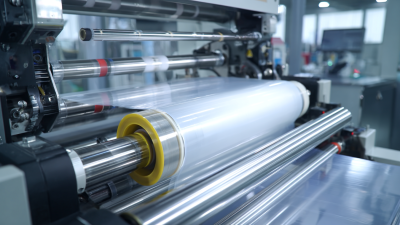
Unveiling the Future: How Plastic Wrapping Machines Are Revolutionizing Packaging Efficiency
-
7 Top Benefits of the Best Form Fill Seal Machine for Global Buyers
-
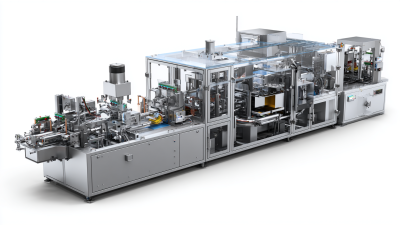
Exploring the Unique Features and Applications of the Best Form Fill Seal Machines: A Complete Guide
-
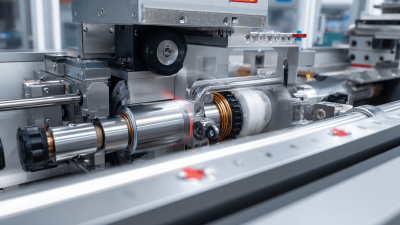
Challenges in Meeting Industry Standards for the Best Horizontal Wrapping Machine