7 Best Food Packing Machines for Global Buyers
Choosing a food packing machine is not simply a matter of comparing prices. Global buyers must examine product texture, filling accuracy, sealing strength, speed, cleaning access, and local service support. A machine that performs well with dry snacks may struggle with sauces, powders, or fragile produce. Small details matter. A weak seal can spoil an entire shipment.
Jorge Izquierdo, Vice President of Market Development at PMMI, has emphasized, “Automation is becoming a necessity, not a luxury, for many manufacturers.” His observation reflects a clear industry shift. Modern packaging lines increasingly connect weighing, filling, sealing, labeling, inspection, and data tracking. Yet automation alone does not guarantee success. Operators still need practical training, reliable spare parts, and a realistic maintenance plan. That part is often underestimated.
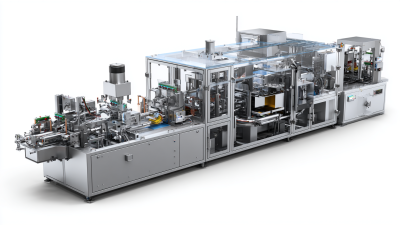
This guide reviews seven food packing machine options for international buyers. It considers vertical form-fill-seal machines, premade pouch systems, vacuum packers, tray sealers, and multihead weighing solutions. Each category serves different production goals. Some prioritize speed. Others protect delicate products or improve portion consistency. Energy use, sanitation design, packaging material compatibility, and after-sales response also deserve attention. The best choice may not be the most advanced model. Sometimes, a simpler machine fits the factory better. That is worth questioning.
Buyers should verify certifications, test samples, inspect finished seals, and request transparent performance data. Supplier claims can sound impressive. Actual trials are more convincing. This introduction provides a practical starting point for comparing equipment, costs, risks, and long-term operating value across global food production environments.
Global Buyer Criteria: 30–120 Packs/Min, OEE, Seal Strength, and TCO
7 Best Food Packing Machines for Global Buyers
Global buyers should compare machines against real production targets, not attractive brochures. A practical range is 30–120 packs per minute, depending on product weight, film type, and pack format. Vertical form-fill-seal machines suit snacks, grains, and powders, while horizontal systems handle bars and shaped products. Tray sealers, vacuum packers, auger fillers, multihead weighers, and stick-pack machines complete a useful seven-machine shortlist. Each option needs a measured trial with the actual product.
OEE reveals more than rated speed. Check availability during changeovers, performance under normal loading, and quality losses from leaking or misfilled packs. A strong seal should survive compression, vibration, and temperature changes during shipping. Request seal-strength test records, reject-rate data, and maintenance response procedures. Total cost of ownership includes film waste, electricity, spare parts, labor, training, and downtime. A cheaper machine may become expensive after repeated sealing adjustments. I have seen impressive demonstrations fail when dusty powder entered the sealing area. That risk deserves honest discussion.
Tips: Test at your lowest and highest target speeds. Measure five-minute output, then repeat after a product changeover. Inspect seals by touch and by controlled pull testing. Ask for regional service support and clear spare-part lead times. Confirm voltage, compressed-air needs, hygiene access, and cleaning time. Do not trust one perfect sample. Production is less forgiving.
Food Safety Baseline: HACCP’s 7 Principles, ISO 22000, and FDA 21 CFR 117
7 Best Food Packing Machines for Global Buyers
Food safety should guide machine selection, not follow it. On a packing line, exposed product may contact hoppers, belts, seals, or weighing parts. These areas need smooth, cleanable surfaces and minimal dead spaces. Operators should inspect them quickly between production runs. Small design gaps can hold moisture and allergens. That detail is easy to miss.
HACCP provides seven practical principles: analyze hazards, identify critical control points, set critical limits, monitor them, define corrective actions, verify the system, and keep records. A suitable machine supports these controls through stable temperatures, accurate dosing, reliable sealing, and accessible data. Calibration matters. So does hygienic changeover. ISO 22000 adds a broader food safety management system, including prerequisite programs, communication, traceability, and continual improvement. It does not replace careful equipment validation.
FDA 21 CFR 117 focuses on current good manufacturing practices and preventive controls for human food. It also addresses hazard analysis, supply-chain controls, recall planning, and qualified personnel. The rule does not certify a packing machine. Buyers must assess how the equipment fits their facility, product, and destination market. A metal detector, vacuum packer, filling machine, or vertical form-fill-seal unit may perform well technically, yet create cleaning or verification problems. A practical weakness remains: teams sometimes trust factory specifications more than real production trials. Run tests with actual food, film, moisture levels, and cleaning routines before approval.
Dry Foods and Snacks: VFFS, HFFS, and Premade-Pouch Machines
For global buyers, the best dry-food packing machine depends on product shape, speed, and pouch style.
VFFS machines form film around products such as rice, nuts, chips, and cereal.
HFFS machines suit flat products, bars, and carefully arranged snack portions.
Premade-pouch machines offer a polished appearance and flexible pouch sizes, but loading is usually slower.
Seven practical options include VFFS machines, HFFS machines, premade-pouch machines, multi-lane stick-pack systems, sachet machines, volumetric cup fillers, and multihead-weigher lines.
VFFS forms film around products such as rice, nuts, chips, and cereal. It saves floor space and supports several seal patterns.
Multi-lane and sachet systems handle small servings efficiently.
Volumetric fillers work well with uniform products, while multihead weighers improve accuracy for mixed snacks.
In real packaging trials, oily chips may stain seal areas, and dusty powders can weaken seals. These details are easy to underestimate.
Sometimes the fastest machine is not the most reliable choice.
Tips:
Test the actual product before purchasing. Check seal strength, weighing accuracy, changeover time, and cleaning access.
Ask for sample runs using your intended film and pouch. Confirm voltage, compressed-air needs, spare-part support, and operator training.
A machine may look impressive, yet require too much adjustment. Room for improvement is normal.
Fresh Foods: Vacuum, MAP, and Tray-Sealing Systems for Shelf-Life Control
7 Best Food Packing Machines for Global Buyers
Fresh foods need controlled oxygen, moisture, and temperature. The right machine protects quality from packing room to retail shelf. Vacuum chamber machines remove air from pouches containing meat, cheese, or prepared meals. External vacuum systems suit smaller operations, although bag placement can slow production. MAP machines replace air with measured gas mixtures, helping salads, seafood, and fresh cuts retain color. Gas accuracy matters. A small leak can shorten shelf life quickly.
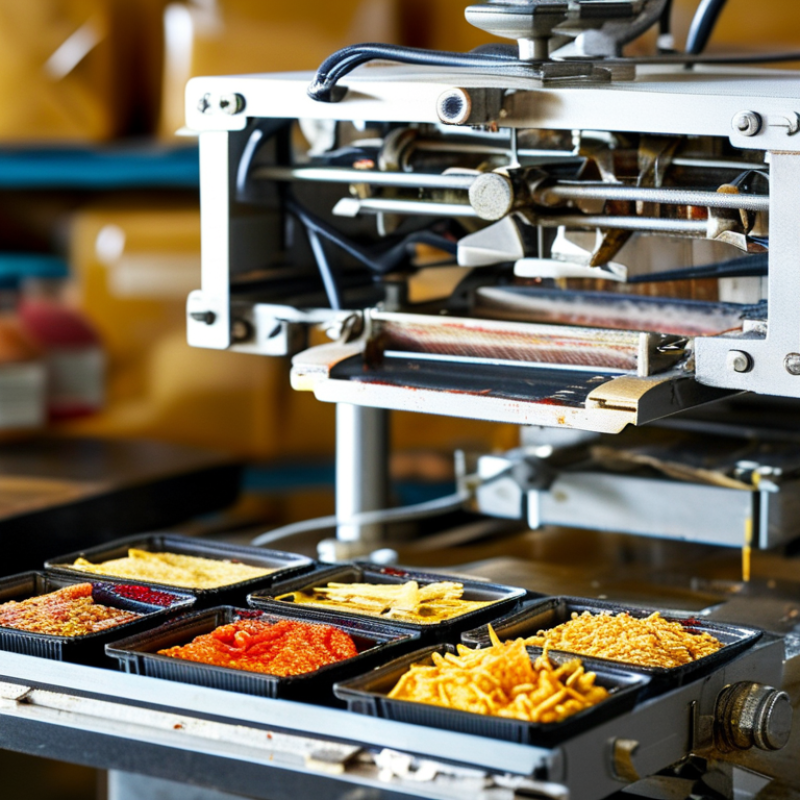
Tray-sealing systems close rigid trays with film and support vacuum or modified atmosphere packaging. Thermoforming machines create packs continuously, saving labor for high-volume producers. Skin-pack systems hold products tightly against a clear film, improving display and reducing purge. Flow-wrapping machines work well for bakery items, produce, and portioned foods. These seven machine types serve different volumes, products, and packaging materials. No system is perfect.
Tips: Test the product, film, tray, and gas recipe together. Measure seal strength, oxygen levels, package leaks, and shelf life under realistic transport conditions. Keep chilled products cold before sealing; packaging cannot correct poor temperature control. Ask suppliers for sanitation access, tool-change time, spare-part support, and operator training. Practical trials often reveal an uncomfortable truth: the fastest machine may create more waste or weaker seals. Review cleaning records and batch results, not only the advertised output.
7 Best Food Packing Machines for Global Buyers
Representative throughput ranges for commercial fresh-food packaging systems. Actual performance varies with product type, pack size, sealing format, gas flushing, and automation level.
Key takeaway: Vacuum chambers are suitable for flexible production, while thermoforming, MAP tray-sealing, and flow-wrapping systems offer higher throughput for standardized fresh-food packs and shelf-life control.
Seven-Machine Buying Matrix: Throughput, Formats, Automation, and ROI
Global buyers should compare seven machine classes by throughput, package format, automation, and payback.
Vertical form-fill-seal machines suit powders, grains, and snacks. Horizontal form-fill-seal models handle bars and flow-wrapped products. Premade pouch machines offer premium flexibility. Rotary cup fillers support dairy, sauces, and portion packs. Tray sealers fit fresh foods. Vacuum or modified-atmosphere systems extend shelf life. Cartoners and case packers reduce secondary-packaging labor.
PMMI’s 2024 State of the Industry report identifies labor availability, changeover speed, and line integration as major packaging investment factors.
Those factors reshape ROI. A 60-pack-per-minute machine may outperform a 120-pack-per-minute model when formats change hourly. The faster option is not always better. Consider seal-jaw access, recipe control, cleaning time, and spare-part availability. A practical matrix should record rated speed, usable speed, format range, staffing, energy demand, and reject rate. Pilot before scaling.
FAO’s The State of Food and Agriculture reports that 13.2% of food is lost globally between harvest and retail.
Packaging performance can reduce damage, leakage, and exposure, but only when the format matches the product. A tray sealer may protect fragile portions better than a pouch line. Vacuum packing can improve meat handling, yet it demands strict process control. Include installation, operator training, maintenance, and downtime in the five-year model. ROI can look impressive on paper and disappoint on a wet production floor. Test real product, real film, and real operators before signing.