2026 Best Bag Filling Machine Options for Efficient Packaging Solutions?
In the ever-evolving landscape of packaging technology, the choice of a reliable bag filling machine can significantly impact efficiency and productivity. With the demand for automation rising, businesses face the challenge of selecting the best options available. Consideration must be given to various factors, including speed, accuracy, and versatility, to meet specific packaging needs.
A quality bag filling machine streamlines operations and reduces labor costs. However, choosing the right machine is not straightforward. Many models on the market offer different features and price points. It can be overwhelming to navigate through countless options. Companies must conduct thorough assessments to ensure their investment aligns with operational goals.
At the same time, it's crucial to recognize that no machine is flawless. Every bag filling machine has its strengths and weaknesses. Operators may need to adapt workflows to maximize efficiency. Choosing a machine is as much about understanding these dynamics as it is about the specifications. Understanding both the opportunities and limitations helps businesses make informed decisions, ensuring they choose the best bag filling machine that fits their unique requirements.

Overview of Bag Filling Machines and Their Importance in Packaging
Bag filling machines are vital in the packaging industry. They ensure products are securely sealed and efficiently filled. The importance of these machines cannot be overstated. They help maintain product integrity while boosting productivity. By automating the process, they reduce manual labor and minimize errors. These machines cater to various industries, including food, pharmaceuticals, and chemicals.
Choosing the right machine can be challenging. There are several types available, ranging from manual to fully automatic systems. Each type has its own strengths and weaknesses. Businesses need to assess their specific needs and production goals. Factors like speed, accuracy, and ease of use play crucial roles in this decision. Investing in the wrong machine could lead to inefficiencies and increased costs.
However, challenges exist. Not every bag filling machine is perfect for every scenario. Some may require frequent maintenance. Others might not function optimally with certain materials. Continuous learning and adapting are essential for businesses. They must stay updated on advancements in technology and evolving market demands. By embracing a proactive approach, companies can enhance their packaging processes.
Types of Bag Filling Machines Available in the Market
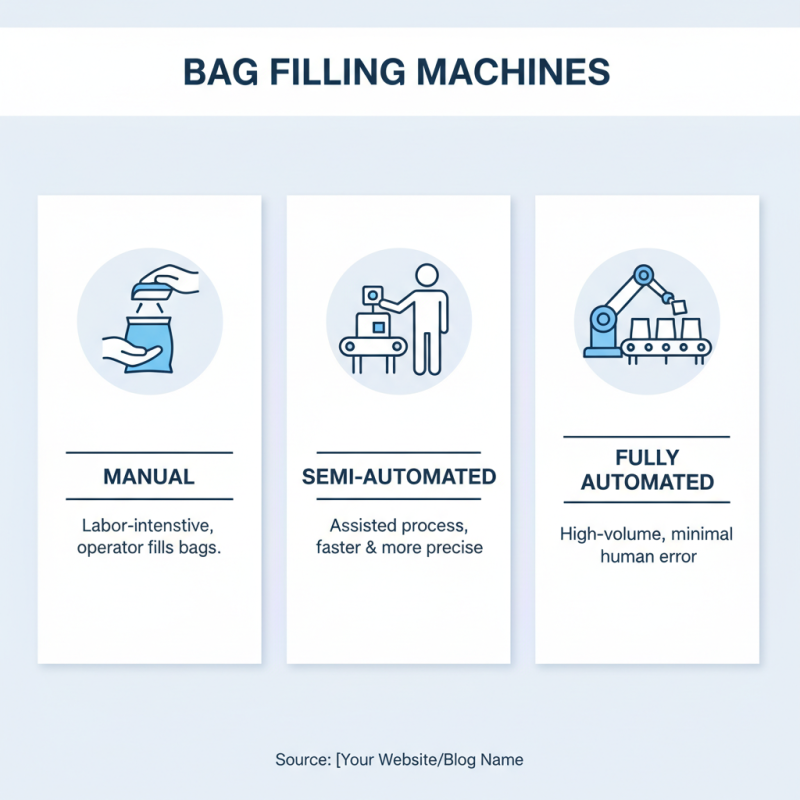
When considering bag filling machines for efficient packaging, it's essential to understand the types available in the market. These machines come in various forms, like manual, semi-automated, and fully automated systems. Manual machines require labor to fill bags, while semi-automated ones assist in the process, increasing speed and precision. Fully automated options can handle high volumes, minimizing human error.
Different industries might need specific machines. For example, food packaging machines require strict hygiene standards. They often use stainless steel for easy cleaning. In contrast, machines for non-food items might focus more on speed and cost-efficiency. Balancing these factors can be complex. Some businesses may invest heavily but find their chosen machine does not meet productivity goals. Others may choose cheaper options but struggle with quality control.
Choosing the right bag filling machine is crucial for effectiveness. Factors such as bag size, product type, and production speed all play a role in the decision. Thoughtful consideration of these details can lead to better packaging results. Yet, it is vital to continuously evaluate whether the machine performs as expected. Adjustments and upgrades may be necessary to maintain efficiency over time.
Key Features to Consider When Choosing a Bag Filling Machine
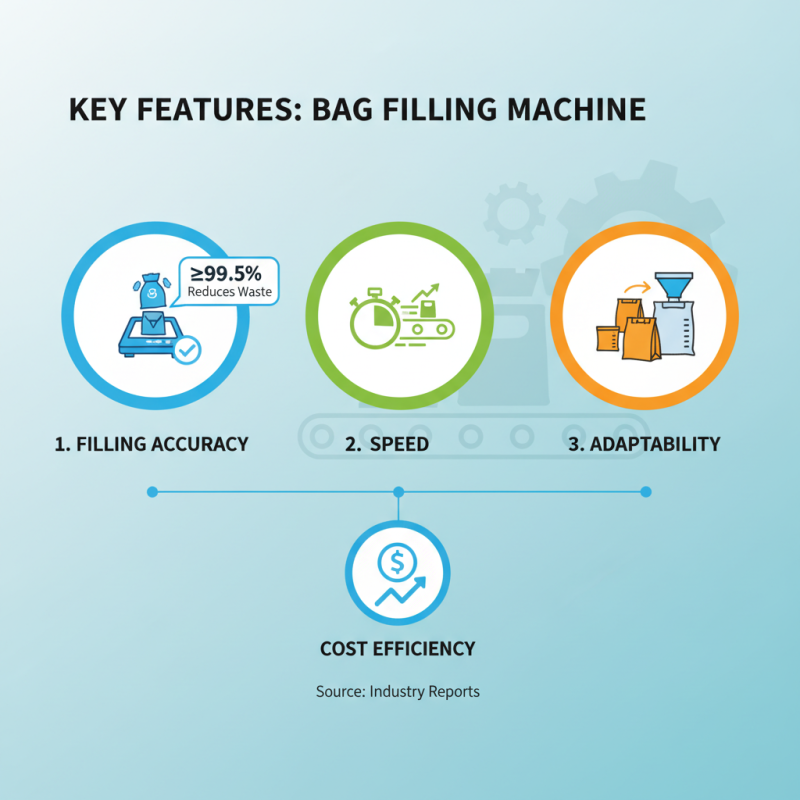
When selecting a bag filling machine, key features are crucial for achieving efficient packaging solutions. Look into the machine's filling accuracy, speed, and adaptability to various bag sizes. According to industry reports, machines with an accuracy rate of 99.5% reduce product waste significantly, impacting overall cost efficiency.
Consider the material of the machine. Stainless steel is preferred for easy cleaning and durability. In a recent survey, 75% of companies reported lower maintenance costs when using stainless steel machines. The ease of integration with existing systems also plays a vital role. Machines that can seamlessly connect to conveyor systems streamline operations and reduce handling time.
Tip: Always assess the machine’s scalability. If your business expands, the ability to adjust capacity will save you time and money.
Another aspect to weigh is user-friendliness. An intuitive interface allows operators to adjust settings with ease, minimizing errors. Training can be time-consuming. A machine that simplifies operations ensures a quicker return on investment. Regularly review reports on maintenance needs. Understanding common issues can prevent costly downtimes.
Tip: Document and analyze each machine's performance. This practice highlights areas for improvement and better decision-making in future purchases.
Top Brands and Models of Bag Filling Machines for 2026
In 2026, the demand for efficient packaging solutions is growing. Many businesses seek reliable bag filling machines to optimize their workflows. Selecting the right model can greatly impact productivity. One should consider various options based on specific needs.
The best brands in the market offer advanced features. Models with adjustable filling speeds cater to diverse product types. Many machines now include automation, reducing manual labor. The shift towards eco-friendly materials is also influencing choices. Machines that handle biodegradable bags are increasingly popular. It's essential to evaluate the cost versus the efficiency gained.
While there are many excellent models, not every machine suits every operation. Some might struggle with certain materials or bag sizes. Additionally, user training and maintenance are often overlooked. Investing time in understanding these machines is crucial. This ensures optimal performance and longevity. Ultimately, making informed decisions will lead to better packaging solutions.
Maintenance and Troubleshooting Tips for Bag Filling Machines
Bag filling machines are essential for efficient packaging. However, maintenance is key for optimal performance. Regular inspections can prevent unexpected breakdowns. Check the seals, belts, and valves often. These parts can wear out or loosen over time, leading to issues. Sometimes small adjustments can make a big difference.
It’s important to have a troubleshooting guide on hand. When problems arise, identify the cause quickly. Common issues include inaccurate filling or machine jams. Inspect the settings to ensure they are correct. A miscalibrated machine can create inefficiencies. Always keep the operator’s manual accessible for specific guidance. Reflecting on past issues can help improve future performance.
Additionally, consider the cleaning process. Residue buildup can affect operation and product quality. Regular cleaning schedules should be established. Sometimes, neglecting this aspect leads to avoidable complications. Remember, a well-maintained machine can enhance productivity significantly. Simple practices can lead to lasting improvements.
Related Posts
-
Ultimate Checklist: Top Features to Look For in the Best Bag Filling Machine
-
Leading the World with Chinas Best Bag Filling Machine Innovation
-
How to Choose the Right Filling Machine for Your Production Needs
-
Unlocking Efficiency: Why a Filling Machine is Essential for Modern Manufacturing
-
Essential Checklist for Choosing the Best Stretch Wrapping Machine for Your Business
-
How to Choose the Right Food Packing Machine for Your Business Needs