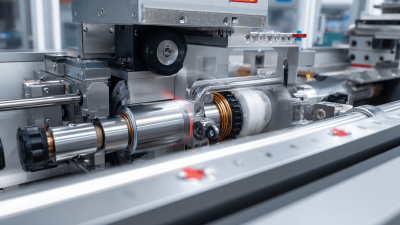
Best Horizontal Wrapping Machine for Efficient Packaging Solutions?

In today’s fast-paced packaging industry, efficiency is key. Choosing the right equipment can make a significant difference. A horizontal wrapping machine stands out as a reliable solution for various packaging needs. These machines offer speed and versatility, critical for meeting high production demands.

However, not all horizontal wrapping machines are created equal. Factors such as size, material compatibility, and automation level can greatly impact performance. It’s essential to assess your specific packaging requirements before settling on a model.

With countless options available, making the right choice can feel overwhelming. Potential buyers must navigate through various specifications and features. Understanding the strengths and weaknesses of each machine is crucial. A well-informed decision can lead to improved productivity and reduced operational costs.
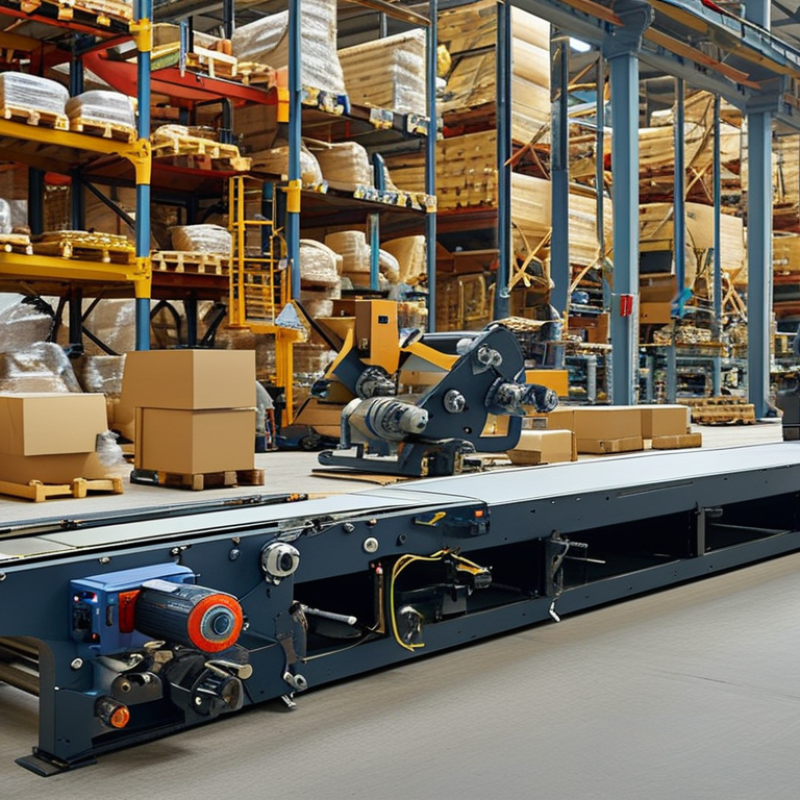
Best Horizontal Wrapping Machine for Efficient Packaging Solutions?

Introduction to Horizontal Wrapping Machines and Their Importance

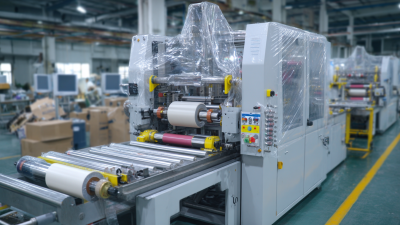
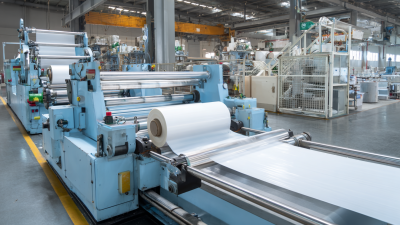
Horizontal wrapping machines play a crucial role in modern packaging processes. They efficiently wrap products, ensuring they remain safe and secure during transportation. These machines can handle various items, from food products to consumer goods. Their versatility makes them essential for manufacturers aiming to improve productivity.

The design of horizontal wrapping machines allows for quick adjustments and high-speed operations. They are often equipped with advanced technology that enables precise wrapping. This accuracy reduces material waste and boosts efficiency. Companies benefit from reduced labor costs and increased output. However, selecting the right machine requires careful consideration of the specific needs of each operation.

While these machines offer many advantages, they are not without challenges. Some users report difficulties with machine maintenance. Regular upkeep is vital for optimal performance. Additionally, training staff to operate these machines can take time and resources. Businesses must address these obstacles to fully enjoy the benefits of horizontal wrapping technology.

Key Features and Benefits of Horizontal Wrapping Machines

Horizontal wrapping machines are vital for packing products efficiently. They streamline the packaging process by ensuring quick and consistent wrapping. One key feature is their adjustable speed, allowing businesses to match output rates with production needs. This flexibility can significantly improve overall productivity.

Another benefit is the specific design for various products. Whether you are wrapping food items, pharmaceuticals, or consumer goods, these machines can be customized. This capability reduces material waste and maintains product integrity. Effective sealing mechanisms also enhance shelf life, ensuring the product stays fresh longer.

Tips for choosing the right machine include assessing your production volume and product dimensions. It's essential to evaluate the machine’s ease of operation and maintenance requirements. Regular training for staff can further optimize machine performance, making it more reliable. Remember, investing in a quality horizontal wrapping machine can yield long-term benefits for your packaging line. Adjustments may be needed regularly, reflecting changes in your production strategy.

Types of Horizontal Wrapping Machines for Various Packaging Needs

When selecting a horizontal wrapping machine, it’s vital to understand the various types available. Each machine is designed to meet specific packaging needs. Flow wrappers, for example, are perfect for products like snacks and bakery items. They provide a tight seal and protect freshness. Pillow wrappers are another option, ideal for bulk items like soap bars or individually wrapped products.

Vertical wrappers differ from horizontal models. They excel in applications requiring gravity feed, but each setup has its pros and cons. Some facilities find that based on space constraints, vertical machines might limit efficiency. While horizontal machines can handle a wide range of products effectively, they may require more floor space, potentially affecting layout planning.

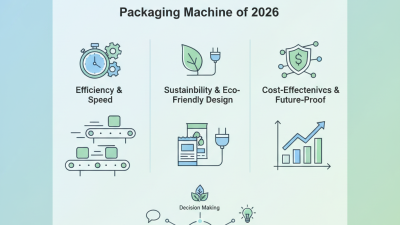
Efficiency also hinges on the machine’s speed and the material used for wrapping. Some industries require biodegradable material, which may impact the choice of machine. Evaluating the trade-offs in machine types is crucial. A tailored solution often involves consulting with experts. Their insights can illuminate what works best for unique packaging scenarios.

Factors to Consider When Choosing a Horizontal Wrapping Machine

When selecting a horizontal wrapping machine, several key factors come into play. First, the type of products to be wrapped is crucial. Different products require different wrapping techniques. For instance, delicate items need soft wrapping materials to avoid damage. The machine's speed is also significant. Fast machines can enhance productivity. However, a balance between speed and wrap quality is often overlooked.

Another important consideration is the machine's versatility. Can it handle different sizes and shapes of products? If not, businesses might face limitations. The ease of operation is essential too. Complicated machines can lead to unnecessary frustrations for workers. Maintenance requirements should not be ignored either. Machines that are tough to maintain can incur high costly downtimes.

Budget considerations may challenge your choices. A low-cost machine might save money upfront but could lead to higher operational costs long-term. Reflect on the return on investment. This is essential for sustainable operations. Getting feedback from experienced users could provide valuable insights. The choice of a wrapping machine is not one to be taken lightly; it's a significant investment that impacts productivity and operational efficiency.

Top Brands and Models of Horizontal Wrapping Machines on the Market

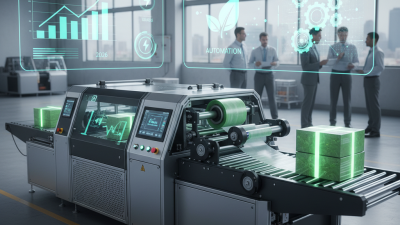
When it comes to horizontal wrapping machines, efficiency is key. The right model can significantly streamline packaging processes. According to recent industry reports, the demand for such machines has risen by 15% over the last year. This growth highlights a trend towards automation in various sectors, including food and consumer goods packaging.

Several top brands dominate the market, each offering unique features and designs. For instance, some machines offer adjustable wrapping speeds and user-friendly control panels. These innovations cater to diverse production needs. Notably, machines with advanced film tension control can reduce packing material waste by up to 30%. However, selecting the ideal model can be challenging. Many companies struggle with the initial setup and maintenance.

While some manufacturers provide extensive training, the learning curve can be steep. In-shop tweaks and real-time adjustments are often necessary. The long-term reliability of these machines varies, with some brands showing lower downtimes. It’s essential for buyers to consider both cost and operational support before making a decision. Overall, understanding market trends and machine capabilities can lead to more informed purchasing choices.