
7 Best Trade Show Booth Rental Alternatives for 2026

Exhibiting in 2026 takes more than a sharp logo and a busy aisle. Teams must weigh booth costs, setup time, storage, shipping, and how often they plan to exhibit. A rental can simplify logistics, but it is not automatically the best fit. Some brands need a distinctive structure they can reuse. Others need a lightweight display that fits in a car and sets up quickly. The right choice depends on real constraints, not just a polished rendering.

This guide to the 7 Best Trade Show Booth Rental Alternatives for 2026 compares practical options, from portable displays and modular systems to custom-built booths and exhibit-house partnerships. We’ll consider where each approach can work, what expenses deserve a closer look, and what questions to ask about graphics, transport, installation, and storage. Small details matter. A crate that arrives late can undo careful planning. So can an attractive booth that takes too long to assemble. Trade Show Booth Rental Alternative is not a single product category; it describes several ways to exhibit without relying on a standard rental package. None is perfect. Some alternatives demand more upfront coordination, and cost estimates can miss labor or show-service fees. Use the comparisons as a starting point, then verify current pricing and requirements with providers and event organizers before committing.
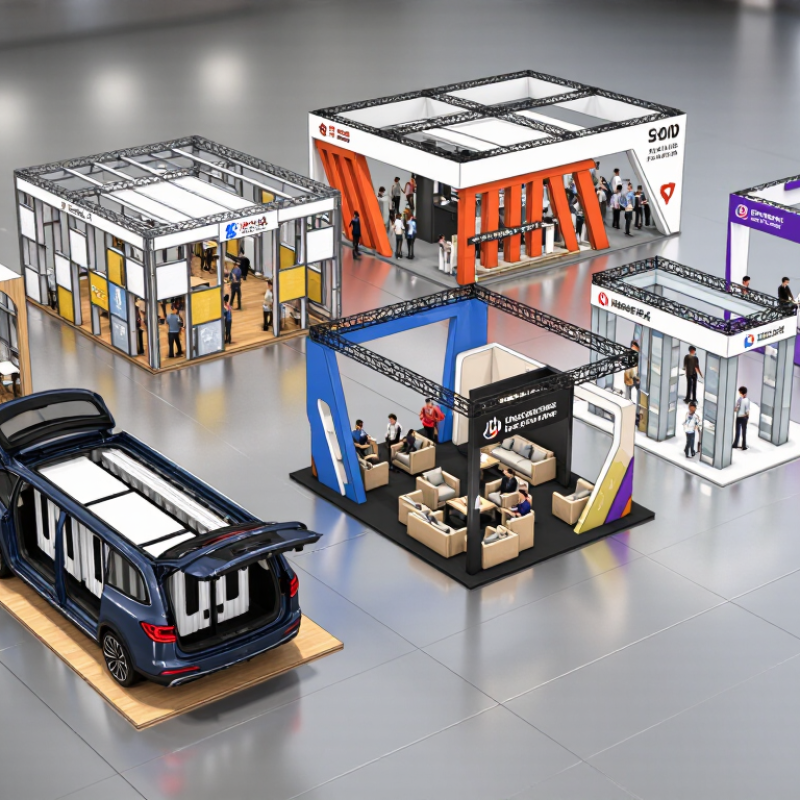
7 Best Trade Show Booth Rental Alternatives for 2026

Understanding Trade Show Booth Rental Alternatives in 2026

In 2026, trade show booth rental is only one way to build a useful exhibit. Alternatives include buying a reusable booth, choosing a lightweight portable display, or sharing exhibit space with a partner. Each option changes the balance between upfront cost, setup time, storage, and design control.

A portable display can suit a small team traveling to a few events. Think fabric panels, a compact counter, and cases that fit through a standard doorway.

A modular booth offers more room to adapt: teams can rearrange frames, shelves, and graphics for different floor plans. But reusable parts need storage and careful inventory. One missing connector can slow setup.

Buying may make sense when a company attends several shows each year and can manage shipping and maintenance. Renting remains practical when booth sizes change often or storage is limited. Shared space can reduce costs, though it may also limit branding and control. There is no automatic winner. Compare total costs across multiple events, including freight, labor, repairs, and storage—not just the quoted booth price. Before choosing, check the venue’s dimensions and power access, then map where visitors will stand, pause, and speak with staff. A neat floor plan can still feel cramped once real people arrive.

How Booth Formats Differ in Cost, Setup, and Reusability

Trade show booth formats differ less by appearance than by labor, freight, and what you can use again. A tabletop display is usually the lightest option: one case, a cloth, and a few product samples. Setup takes minutes, but visibility is limited. Pipe-and-drape packages offer more space for less custom work, though their plain walls may need graphics or lighting to feel distinctive.

Pop-up walls and tension-fabric displays pack into compact cases and suit teams that travel without dedicated setup crews. They are quick to assemble. Replacement graphics can extend their usefulness, but worn fabric or outdated messaging may make reuse less practical. Modular rental systems cost more and take longer to configure; their advantage is adjustable counters, shelves, and meeting areas. Confirm what labor and shipping are included before comparing quotes. The fine print matters.

Island rentals create open sightlines and room for demos, but flooring, rigging, and installation can raise the bill. Custom-built rentals look tailored, yet may offer fewer reuse options than modular components. A hybrid approach—renting structure and furniture while reusing owned screens or signage—can control costs across several events. I’ve seen teams underestimate packing time. It happens. Ask for a setup plan, crate dimensions, and a breakdown of reuse or replacement charges before choosing a format.

7 Trade Show Booth Rental Alternatives for 2026

Indicative booth rental cost per show, in USD

How to compare: Banner stands and tabletop displays usually need the least setup; pop-ups and portable modular systems are still relatively quick to assemble. Larger modular and custom rentals typically require more planning and professional installation. Rental hardware is reused by the supplier; exhibitors may be able to reuse their own graphics if they fit the next booth. Cost ranges are planning estimates, not quotes, and can vary with booth size, location, shipping, labor, and services. Exhibit-space fees are excluded.

Seven Trade Show Booth Alternatives to Consider

Seven trade show booth alternatives can reduce freight, labor, or storage demands, but each fits a different exhibiting goal. A portable pop-up display suits compact footprints and quick setup. An owned modular system can be reconfigured across several shows. A shell-scheme package provides basic walls and lighting without a full custom build. A tabletop display works for product sampling or focused conversations. A shared pavilion spreads costs among participating organizations. A reusable custom exhibit offers more control over visitor flow. A demo-led micro-booth puts one product experience at the center. Keep it simple.

CEIR research has reported that about 81% of trade show attendees have buying authority or influence, making clear product information and useful conversations more valuable than decoration alone. For a small team, a tabletop display with a hands-on demonstration may outperform a larger structure that is hard to staff. For repeated events, modular components can reduce waste, though storage and refurbishment still require planning. A shared pavilion may lower expenses, but shared space can make individual messages less visible.

Compare options using total costs, setup time, transport needs, and staffing—not rental price alone. Sketch the booth footprint before ordering anything. Check venue rules and electrical access early; a display that looks efficient on paper may leave too little room for visitors. There is no perfect format. The right choice depends on audience, budget, and how often the exhibit will travel.

7 Best Trade Show Booth Rental Alternatives for 2026

Seven practical booth alternatives to consider, with typical configurations, planning-level cost ranges, and key trade-offs.

Alternative Typical Size or Format Indicative Cost Setup and Transport Best For Main Consideration
Portable pop-up display Commonly 8–10 ft wide; straight or curved back wall About $500–$2,500 to purchase Usually tool-light assembly; packs into cases that can often be checked or shipped Small exhibitors, first-time exhibitors, and events with limited setup time Less depth and fewer built-in features than a larger exhibit; graphics may need replacement when messaging changes
Modular exhibit system Configurable layouts, often from 10 × 10 ft to 10 × 20 ft About $3,000–$15,000 to purchase, depending on configuration Components can be reconfigured; packing, freight, and assembly requirements vary by system Organizations attending multiple shows with changing booth footprints Requires storage and ongoing care; larger builds may need professional installation
Tension-fabric display Back walls commonly 8–20 ft wide, with optional counters or side panels About $700–$4,000 to purchase Lightweight frame and fabric graphics; typically packs into a compact carry case Teams prioritizing low shipping weight and a clean, continuous graphic surface Fabric must be kept clean and wrinkle-free; large structures may require more than one person to assemble
Tabletop display Typically 4–8 ft wide and designed to sit on an event table About $150–$1,200 to purchase Compact and easy to carry; usually the simplest option to set up Small budgets, tabletop events, and spaces where floor-standing exhibits are not allowed Limited visibility and room for demonstrations, product samples, or private conversations
Pipe-and-drape booth with portable graphics Often a 10 × 10 ft or 10 × 20 ft space using venue-provided booth boundaries Venue drape fees vary; portable graphics commonly cost about $300–$2,000 to purchase Venue staff typically install the drape; exhibitors bring and set up their own graphics and materials Exhibitors seeking a simple, low-equipment setup in a standard booth space Drape height, furniture, electrical service, and other items may incur separate venue charges
Reusable banner-stand setup One or more vertical banners, commonly about 2–3 ft wide each About $100–$600 per stand, before optional accessories Very portable; individual stands generally assemble quickly without specialized tools Compact booths, presentations, and teams that need graphics for multiple types of events Several stands may be needed to create a substantial booth presence; they offer limited interaction space
Hybrid modular booth with owned graphics Portable core display, with add-on counters, screens, or panels for larger footprints About $1,500–$8,000 to purchase the core setup; optional components add cost Use the same core pieces at smaller shows and add components as needed; shipping depends on the full configuration Exhibitors balancing repeat use with the flexibility to scale up or down Requires advance planning to ensure components, graphics, power, and booth layout work together

Cost note: These are broad U.S. planning estimates for display hardware or graphics, not guaranteed quotes. They generally exclude shipping, storage, installation labor, electrical service, furniture, taxes, and event or venue fees. Actual costs depend on size, materials, customization, and show requirements.

Comparing Options by Event Size, Brand Needs, and Budget

The right alternative depends on how often you exhibit and what visitors need to see. A tabletop display suits a small event with samples and a simple message. Portable pop-up walls are easy to transport, but can feel limited when you need product demonstrations. Fabric tension displays create a clean backdrop with little visual clutter.

For a larger footprint, consider an owned modular system, a custom-built booth, or a hybrid setup that combines owned graphics with rented furniture. A shared exhibit space can lower costs for a small team, though it offers less control over layout. Scale matters. Check how each option handles lighting, storage, and repeated reconfiguration. A polished booth is not automatically a useful one.

Compare the full cost, not just the purchase price. Freight, setup labor, storage, replacement graphics, and packing materials can change the budget quickly. Ask for itemized estimates, exact dimensions, and clear setup instructions before committing. For brand-heavy events, consistent colors and durable graphics matter; for lead generation, clear sightlines and a reachable demo area may matter more. A low-cost display can be a poor buy if it takes hours to assemble. That trade-off is easy to underestimate.

How to Select the Right Booth Alternative for Your Organization

Choosing an alternative to a rental booth starts with the job it must do. Are you demonstrating a product, booking meetings, or making a small team easy to find? A fabric backdrop and counter may suit a compact space, while modular panels can support changing layouts across several events. Match the format to your floor plan, staffing, and storage capacity.

A display that looks simple in a rendering can feel cramped when two people, sample cases, and a queue meet at the same counter. Then compare the full workload, not just the purchase or rental price. Check shipping dimensions, setup time, replacement-part availability, and whether the venue permits your planned structure. Ask who will assemble it, and test the process before travel day. A tabletop display may save freight, but it can also limit product demonstrations. That trade-off is easy to miss. Request a packing list and a clear setup guide, then measure the packed pieces against your vehicle or storage area. If attendance, booth size, or staffing is uncertain, choose a system that can scale down without looking unfinished. Some decisions will still be educated guesses; note them and review the results after the show.