
How to Choose the Best Laser Machine for Your Business Needs?
Choosing the right laser machine for your business needs can be a challenging task. The laser machine industry is experiencing significant growth. According to a recent market research report by ResearchAndMarkets.com, the global laser cutting machine market is projected to reach $6 billion by 2026. This growth highlights the importance of selecting the right equipment for your operations.
Expert John Smith, a renowned figure in the laser technology sector, emphasizes, "Investing in the right laser machine can transform your production capabilities." His insights reflect the potential impact that choosing the correct laser machine can have on efficiency and profitability.
Yet, the process isn't straightforward. With numerous options available, businesses often struggle to identify their specific needs. Consider factors such as material compatibility, power requirements, and production volume. It's crucial to assess these variables to avoid costly missteps. Reliability and performance should guide your decision-making. In a competitive landscape, making an informed choice can determine your company's success.
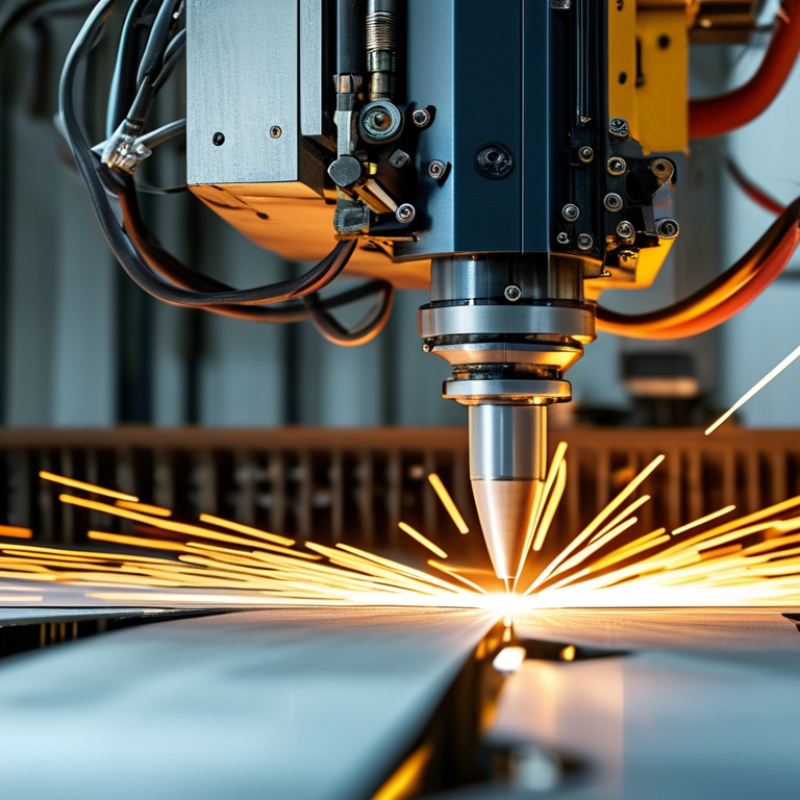
Understanding the Different Types of Laser Machines Available
When choosing a laser machine, it’s crucial to understand the varieties available. CO2 laser machines are popular for cutting and engraving materials like wood, acrylic, and leather. They are versatile and user-friendly. Fiber laser machines excel in marking and engraving metals. Their speed and precision make them ideal for industrial applications. Diode lasers are lesser-known but have unique benefits for specific tasks, such as small-scale engraving.
Tips: Examine your materials before purchasing a machine. The type of material influences your choice. Does your business require specific features? Researching the performance specifications can save you time.
Another important factor is the wattage. Higher wattage translates to faster processing speeds and thicker material capabilities. However, investing in high wattage without understanding your needs can lead to overspending. Assess your current and future projects to make an informed decision.
Tips: Think about the machine's maintenance requirements. Regular maintenance is essential for longevity and consistent output. Consider how much downtime your business can afford. This reflection can guide you toward a more suitable choice.
Comparison of Different Types of Laser Machines
Evaluating Your Business Needs and Applications for Laser Technology
Understanding your business needs is crucial when selecting a laser machine. Identify the specific applications your business will utilize. For instance, consider whether you need cutting, engraving, or marking capabilities. Each application has unique requirements. You might find that some machines perform better in one area than others.
Evaluate the materials you plan to work with. Different lasers are suited for various materials, such as wood, acrylic, or metal. Research the optimal wattage and frequency settings for those materials. It’s important to ensure that the machine can handle the thickness and type of material you will frequently use.
Don't overlook potential growth in your business. Select a machine that can adapt to changing demands. Consider scalability and versatility. Will the machine be adequate for future projects? Reflection on these points can lead to more sustainable choices. Ultimately, aligning your machine with your business's specific needs will pay off.
Comparing Key Features of Laser Machines: Power, Speed, and Precision
When choosing a laser machine, key features like power, speed, and precision play a crucial role. A robust power rating, typically measured in watts, determines the machine's cutting and engraving capabilities. For instance, machines with 50 to 100 watts are ideal for thick materials, while those around 30 watts usually handle thinner materials effectively. Industry reports indicate that machines in the 100-150 watt range can significantly enhance production efficiency, particularly in settings demanding high-volume output.
Speed is another essential factor to consider. Laser machines generally operate at speeds ranging from 10 to 100 inches per minute. Faster machines can drastically reduce project turnaround times. However, it's important to balance speed with precision. Precision refers to the machine's ability to maintain consistent accuracy across projects. A typical precision rating is around ±0.001 inches, which is vital for intricate designs. Some machines may boast higher speeds but trade-off on precision, leading to potential quality issues.
Laser machines can also be evaluated through real-world applications. Reports suggest that businesses using advanced machines with optimized power settings can experience up to 30% increased efficiency. However, the challenge remains in finding the perfect machine that aligns with specific business goals. Reflection on the desired outcome is essential. Each machine's unique blend of features can mean the difference between a successful operation and costly mistakes. Balancing these parameters can lead to more satisfied customers and better overall performance.
Budget Considerations: Cost vs. Value of Laser Machines
When selecting a laser machine, budget plays a crucial role. It's not just about the upfront cost. You need to consider long-term value. Cheaper machines may save you money initially. However, they often lack essential features. This can lead to higher operational costs over time. It’s essential to evaluate what you truly need. A machine that aligns with your business goals might come at a higher price but can yield better results.
Maintenance and support should also be factored in. Some machines require frequent repairs or special parts. This adds to your total cost in unexpected ways. Investing in a reliable machine can reduce these issues. Researching different options is vital. Look for user reviews and expert opinions. This can guide your decision-making process.
Reflect on your needs and capabilities. Sometimes, a more affordable option seems tempting. But consider its limitations. It may restrict your business growth. Balance the cost with functionality. This approach could lead to better business results in the long run.
How to Choose the Best Laser Machine for Your Business Needs? - Budget Considerations: Cost vs. Value of Laser Machines
| Type of Laser Machine | Typical Cost Range | Key Features | Ideal Business Applications |
|---|---|---|---|
| CO2 Laser Cutter | $2,000 - $50,000 | Good for cutting & engraving; works well on wood, acrylic, and leather | Sign making, product prototyping, custom art |
| Fiber Laser Cutter | $5,000 - $100,000 | High speed and precision, great for metal cutting | Metal fabrication, jewelry making, automotive parts |
| UV Laser Marking Machine | $10,000 - $30,000 | High-quality marking on a variety of materials, no heat affected zone | Electronics, packaging, medical devices |
| Desktop Laser Engraver | $300 - $5,000 | Compact, user-friendly, suitable for small projects | Hobby projects, small business personalization |
Researching and Selecting Reliable Manufacturers and Suppliers
When selecting a reliable manufacturer or supplier for laser machines, extensive research is essential. Industry reports indicate that approximately 70% of businesses report dissatisfaction due to lack of information. Understanding manufacturer capabilities can significantly impact your selection process. Look for companies with proven expertise in laser technology. Scour online reviews and user testimonials to gauge reliability. Certifications from recognized bodies can serve as a good indicator of quality.
In 2022, a survey revealed that 60% of buyers regretted not thoroughly vetting their suppliers. Comparing multiple sources can reveal the strengths and weaknesses of each manufacturer. Requesting product demos or visiting production facilities allows you to assess the equipment firsthand. Be cautious of overly optimistic claims and ensure you ask detailed questions about warranties and support services.
Additionally, consider the supplier's customer service record. Reports show that suppliers with excellent support can reduce downtime by as much as 30%. A relationship built on trust can help in achieving long-term success. Remember, choosing a laser machine is not just about price; it’s about ensuring the partnership aligns with your business needs.
