
How to Choose the Best Wafer Roll Machine for Your Business?

In the competitive world of confectionery, selecting the right Wafer Roll Machine is crucial for success. According to industry expert John Stevens, "A high-quality machine can transform your production process and enhance product consistency." Many manufacturers face the challenge of choosing equipment that meets their specific needs.

Understanding features and capabilities is essential. For example, some machines offer adjustable thickness settings for wafers. This flexibility can allow businesses to cater to various customer preferences. However, it can also lead to confusion when weighing options. Companies might overlook critical factors like maintenance requirements or energy efficiency.

The right Wafer Roll Machine should align with your production goals. It’s about balancing cost and efficiency. The decision-making process can feel overwhelming. Reflecting on your operational needs is important. Every choice influences the end product and customer satisfaction.
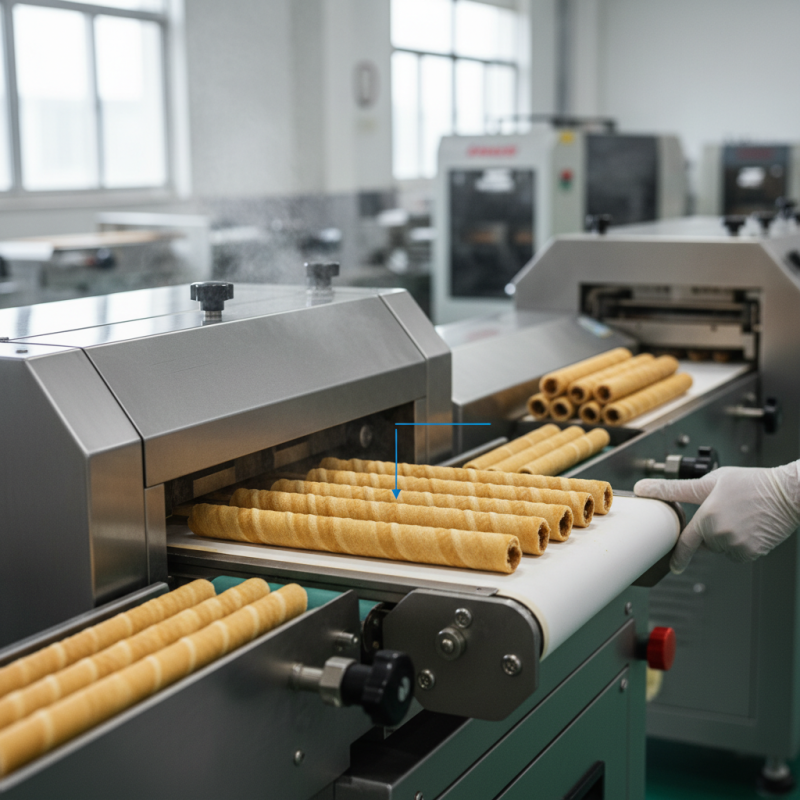
How to Choose the Best Wafer Roll Machine for Your Business?

Choosing the Right Wafer Roll Machine: Key Considerations

Choosing the right wafer roll machine is crucial for any business. First, assess your production needs. How many rolls do you want to produce daily? A machine's output capacity should align with your goals. Smaller machines may limit your growth. However, larger machines require more space and maintenance. Think about your available area and budget.

Consider the machine's features. Some may offer custom thickness and temperature control. These features can enhance the quality of your wafer rolls. Look for user-friendly controls. Complicated machines can slow down production and lead to mistakes. Maintenance is another key factor. Machines that are hard to clean can accumulate residue, affecting taste.

Don’t forget about the machine’s durability. A robust build can lead to fewer breakdowns. Cheap machines may save money initially but often cost more in repairs. Reflect on the long-term implications of your choice. It’s smart to ask for demos or reviews. This can show you how well a machine performs in real situations. Ensure you are making an informed decision before purchasing.

Understanding Production Capacity Requirements for Your Business

When selecting a wafer roll machine, understanding your production capacity is crucial. It's not just about buying the newest technology. You need to match the machine's output with your business goals. Think about your daily production needs. Will you be making a few hundred or thousands of rolls each day? This matters greatly.

Consider the size of your operation. A small café may require a machine with lower capacity. A large bakery, on the other hand, needs a high-capacity solution. It is easy to overlook this aspect. If you pick a machine that's too small, you might face delays. Conversely, too large might waste energy and resources.

Evaluate how often you need to run the machine. Some businesses operate continuously, while others only during peak hours. This can affect your choice significantly. Sometimes, reflecting on your operational patterns can reveal surprising insights. The right machine should align with your production rhythm. Balancing capacity with demand might require adjustments over time.

Evaluating the Technology and Features of Wafer Roll Machines

When evaluating wafer roll machines, technology and features play crucial roles in decision-making. Modern machines incorporate advanced technology, ensuring efficiency and consistency in production. According to industry reports, machines with automated systems can increase output by up to 30%. Features like adjustable temperature controls and speed settings enhance flexibility. Businesses should consider these aspects to meet diverse market demands.

Tips: Look for machines that allow easy cleaning. Hygiene is paramount in food production. Machines with removable parts can simplify maintenance.

Another critical feature is energy efficiency. Some machines use up to 20% less energy than older models. This not only reduces costs but also supports sustainability efforts. However, newer technology can sometimes be more complex. Training staff on advanced features is essential.

Pay attention to customer support and warranty options. Some companies may offer good machines but poor after-sales support. Reliable customer service can make a big difference. It helps when issues arise. Always reflect on your specific production needs before finalizing any purchase.

Comparison of Wafer Roll Machine Features

Assessing Quality and Materials: Ensuring Durability and Efficiency

When choosing a wafer roll machine, assessing quality and materials is crucial. Durable machines ensure long-term efficiency. According to a report by Market Research Future, the global wafer market is projected to grow at a CAGR of 5.2% from 2022 to 2027. Such growth underscores the importance of investing in reliable equipment.

Quality materials are essential for optimal performance. Stainless steel is popular due to its resistance to corrosion and ease of cleaning. A machine made from high-grade materials can withstand daily wear and tear. Some machines, however, may focus too much on aesthetics, compromising functionality. This can lead to frequent breakdowns.

Efficiency is another critical factor. A well-designed machine can produce up to 300 wafer rolls per hour. Inadequate performance might slow down production processes, leading to missed deadlines. Businesses must consider not only production capabilities but also maintenance costs. Poorly constructed machines can incur hidden expenses over time, negating initial savings.

Comparing Costs: Initial Investment vs. Long-term Benefits

Choosing the best wafer roll machine requires evaluating costs carefully. The initial investment can range significantly. A basic model might start at $5,000, while advanced machines can exceed $20,000. However, many companies overlook the long-term benefits of their choices. Research shows that well-chosen equipment can enhance production efficiency by up to 30%.


Maintenance costs also play a crucial role. Regular upkeep may incur costs of about 10-15% of the initial price annually. Businesses need to factor this into their budgets. A machine that seems expensive initially may save money over time. Increased output and reduced labor costs can lead to greater profit margins. Industry reports indicate that efficient machines can boost profits by nearly 25% in the long run.


Yet, not all models guarantee success. Some machines may fail to meet production needs or experience frequent breakdowns. Companies must assess their specific requirements. Consider factors like production volume and flavor variety. Each decision can impact overall cost-effectiveness. By reflecting on these details, businesses can make more informed choices.

Article Source: