
How to Choose the Right Aluminum Extrusion for Your Project?
Aluminum Extrusion is a vital manufacturing process in numerous industries today. According to a report by Research and Markets, the global aluminum extrusion market was valued at over $60 billion in 2021 and is projected to grow significantly in the coming years. This growth underscores the importance of selecting the right aluminum extrusion for your specific project needs.
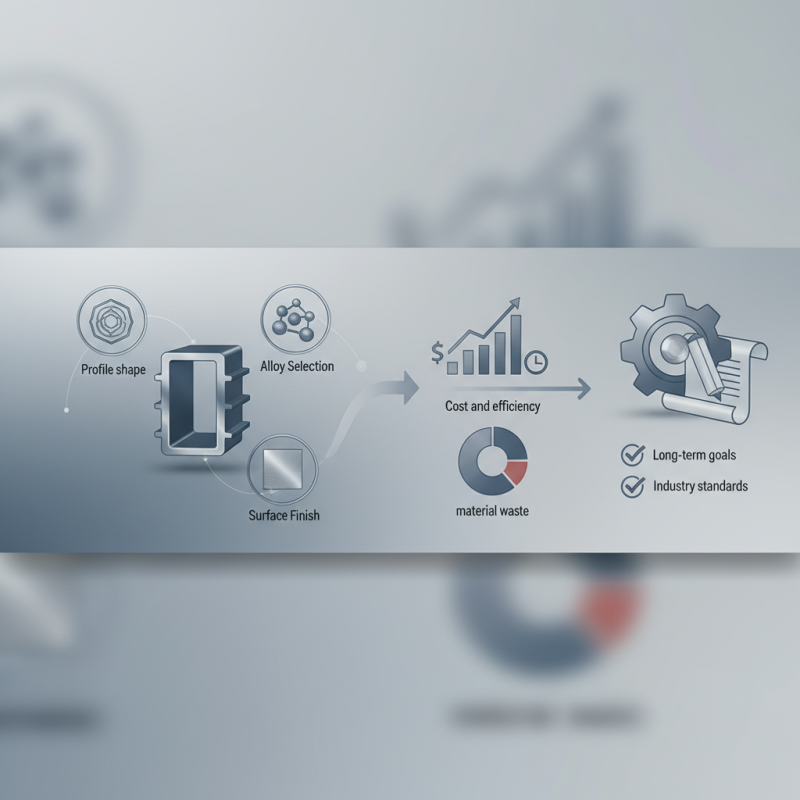
Choosing the right aluminum extrusion involves understanding technical specifications and production capabilities. Factors such as profile shape, alloy selection, and surface finish play crucial roles in the final product's performance. A 2019 study from the Aluminum Association highlighted that nearly 25% of material waste occurs due to improper extrusion choices. This statistic emphasizes the need for careful selection and design considerations in projects.
Investing time in the selection process for aluminum extrusions can impact both cost and efficiency. Many projects face challenges when mismatching profiles with their intended applications. Reflecting on past project decisions can provide valuable insights for future endeavors. It’s essential to ensure that decisions made today align with long-term goals while adhering to industry standards and practices.
Understanding the Basics of Aluminum Extrusions
Aluminum extrusions are versatile materials widely used in various projects. They come in different shapes and sizes, making them suitable for structural applications. Understanding the basics of aluminum extrusions helps in making the right choice for your project.
When you choose an aluminum extrusion, consider its profile shape and size. Common shapes include tubes, angles, and channels. Each shape serves specific functions. Think about the load it needs to bear and the space requirements. You may need to weigh your options based on structural integrity versus flexibility.
**Tips:** Always check the alloy used in the extrusion. Different alloys offer varied strength levels and corrosion resistance. Also, reflect on the finish. A smooth surface may reduce friction, while a textured surface enhances grip.
Another important factor is the extrusion process itself. A well-made extrusion can significantly impact the longevity and performance of your project. Sometimes, cost-effective options may compromise quality, leading to weaknesses down the line. Examine the production details and validate the supplier's credibility.
**Tips:** Collaborate with experienced professionals. Their insights can save you time and resources. They may also identify potential design flaws you haven't considered. Investing time in details upfront can prevent issues later. Remember, not every extrusion is right for every project. Stay informed and assess your choices carefully.
Aluminum Extrusion Choices for Different Applications
Identifying Your Project Requirements and Specifications
Choosing the right aluminum extrusion starts with identifying your project requirements and specifications. Understanding the functional needs of your project is crucial. Are you looking for lightweight structures, or do you need materials that can withstand heavy loads? Different aluminum alloys offer various properties. For example, 6061-T6 is a versatile alloy with good mechanical properties and corrosion resistance.
Research from the Aluminum Association shows that the use of aluminum extrusions in construction has increased by 20% in the past five years. This surge highlights the demand for tailored solutions. An important aspect is dimensional accuracy. Specify exact measurements to minimize manufacturing errors. Tolerances within ±0.005 inches are often necessary for applications in the aerospace sector.
Assessing environmental conditions is equally vital. Will the extrusion be used indoors or outdoors? Exposure to elements can influence your choice of finish and alloy. Data reveals that anodized surfaces can enhance durability. Yet, this may not be the best option for every project. Always weigh the costs and longevity. Understanding which finish meets your needs can lead to better project outcomes. It's essential to reflect on these factors carefully for a successful aluminum extrusion selection.
Evaluating Different Types of Aluminum Alloys
When evaluating different types of aluminum alloys for your project, understanding their properties is crucial. Aluminum alloys are categorized mainly into two groups: wrought and cast. Wrought alloys, such as the 6061 and 7075 series, are known for their excellent mechanical properties and versatility. According to the Aluminum Association, the 6061 alloy is commonly used for structural applications due to its good corrosion resistance and weldability. It offers a tensile strength of 310 MPa, making it suitable for various engineering needs.
On the other hand, cast alloys like the 319 and 356 varieties excel in intricate designs. They provide good fluidity during casting and can handle high-stress applications. However, the trade-off is often lower tensile strength compared to wrought alloys. A study by the International Aluminum Institute highlighted that using the right alloy can reduce material costs by up to 20%.
While selecting an alloy, consider the specific environmental conditions and stresses your project will encounter. Factors such as temperature changes and exposure to chemicals play a significant role in performance. Mistakes in alloy selection can lead to project failures. Data from industry reports suggest that overlooked details in alloy properties frequently lead to suboptimal results. Therefore, meticulous assessment is essential to achieving project success.
Considering Fabrication and Finishing Options
When choosing aluminum extrusions for your project, consider the fabrication and finishing options available. The type of machining can greatly impact the final product’s performance. Common fabrication methods include cutting, drilling, and bending. Each technique might require specific tools and expertise. It’s important to evaluate your project’s complexity. Simple designs might not need advanced machining, while intricate profiles could necessitate skilled labor.
Finishing options also play a critical role in your selection. Anodizing, powder coating, or painting can enhance the appearance and durability. Anodizing creates a protective layer, which is excellent for outdoor applications. Powder coating provides a variety of colors but may not withstand extreme conditions. Each finishing method has pros and cons. It's vital to match your project’s needs with the right finish.
You may find you need to compromise on certain features based on your budget or timeline. Sometimes, a less intricate design with a reliable finish can provide better long-term results. Reflecting on these aspects will help you make informed decisions rather than relying on marketing claims. Choose thoughtfully for a successful project.
Budgeting and Sourcing Suppliers for Aluminum Extrusions
When budgeting for aluminum extrusions, consider the project's overall requirements. Start by estimating necessary quantities and sizes. This will inform your initial budget. Aluminum prices fluctuate due to market trends, so keep an eye on these changes.
Sourcing suppliers can be challenging. Engage with multiple manufacturers to compare pricing and quality. Ask about their production capabilities and lead times. A reliable supplier should provide consistent quality despite changing market conditions. It’s wise to assess their past projects and customer reviews.
Always be ready to negotiate. Some suppliers may offer discounts for bulk orders. However, balance cost with quality. Low bids can indicate inferior materials. Look for suppliers who prioritize sustainability and ethical practices. Building a strong relationship with your supplier can lead to long-term benefits, such as priority service and product innovations.
How to Choose the Right Aluminum Extrusion for Your Project?
| Project Type | Recommended Alloy | Common Applications | Approximate Cost per Pound |
|---|---|---|---|
| Architectural | 6063 | Window frames, door frames, curtain walls | $2.50 |
| Structural | 6061 | Bridges, buildings, frames | $2.75 |
| Automotive | 6005 | Chassis, structural components | $3.00 |
| Consumer Products | 6060 | Furniture, electronic casings | $2.40 |
| Aerospace | 7005 | Aircraft frames, components | $4.00 |
