
10 Tips for Choosing the Right Packaging Gift Box
Choosing the right Packaging Gift Box involves more than selecting attractive colors and a smooth finish. The box must protect the product, reflect the brand, and create a pleasant opening experience. A rigid box may feel luxurious, while a folding carton can reduce storage space and shipping costs. The best choice depends on the product’s weight, size, fragility, and expected customer experience.
This guide explores ten practical tips for making that decision with greater confidence. It considers material strength, internal inserts, closure styles, printing quality, sustainability, budget, and supplier reliability. A useful sample should be tested with the real product inside. Check the corners after handling. Shake the closed box gently. Inspect whether the lid stays aligned and whether the artwork remains clear under normal lighting. Small details matter.
No box is perfect. A thicker board may improve protection but increase freight costs. A premium finish may look impressive but reveal fingerprints easily. These trade-offs deserve honest review before placing a large order. Measurements should be confirmed twice, especially when products include bottles, jars, accessories, or irregular shapes. Clear communication with the manufacturer also reduces avoidable errors. Ask about material specifications, production tolerances, proofing, packaging methods, and expected delivery dates. Reliable suppliers should answer these questions clearly and provide consistent samples. With careful comparison, the Packaging Gift Box can become more than protective packaging. It can support brand credibility, customer satisfaction, and memorable gifting moments.
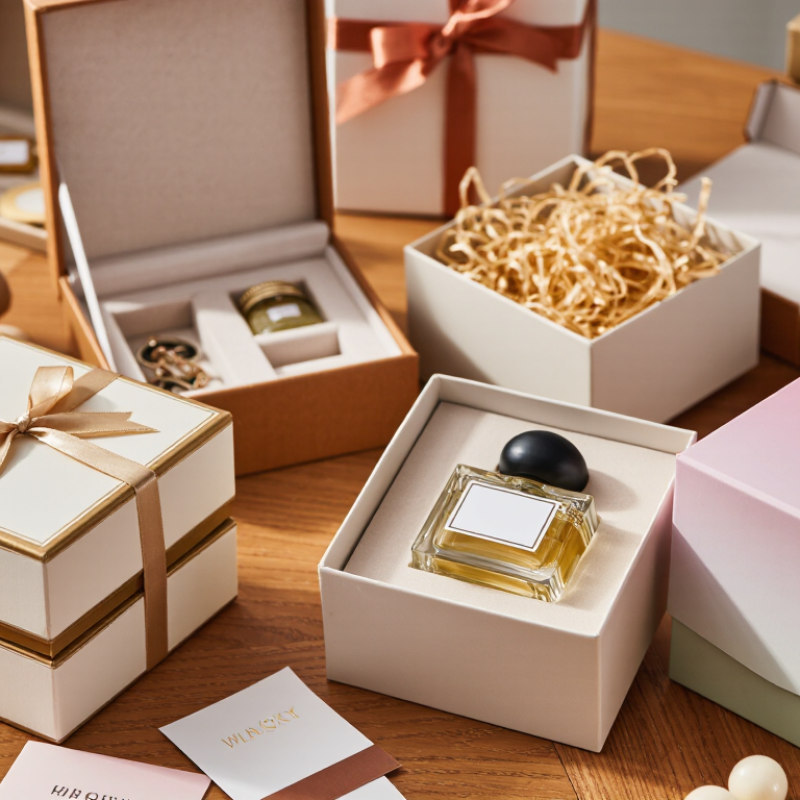
Define the Gift Box’s Purpose and Intended Recipient
10 Tips for Choosing the Right Packaging Gift Box
Define the Gift Box’s Purpose and Intended Recipient
Define the gift box’s purpose before choosing its shape, finish, or ribbon. An anniversary gift needs warmth, while a professional thank-you gift needs restraint. A child’s gift may need bright colors and easy opening. The recipient matters more than the trend.
I once selected a rigid box that looked impressive but felt awkward in the recipient’s small hands. That mistake changed my process. I now check the item’s weight, size, opening experience, and storage needs. A delicate product may need a fitted insert. A practical gift may suit a reusable box better. Keep the first impression, but do not let appearance hide poor function.
Sustainability also affects the choice. Trivium Packaging’s 2023 Global Buying Green Report surveyed 9,000 consumers across nine countries. It found that 82% were willing to pay more for sustainable packaging. PwC’s 2024 Voice of the Consumer Survey also reported that consumers would pay an average premium of 9.7% for sustainably produced goods. These figures support thoughtful material selection, not automatic use of recycled paper. Recycled board can still feel rough, weak, or unsuitable for moisture. Test a sample with the actual product inside. Ask whether the recipient would reuse it. Sometimes a simpler box feels more personal.
10 Tips for Choosing the Right Packaging Gift Box - Define the Gift Box’s Purpose and Intended Recipient
| Tip | Intended Recipient | Gift Box Purpose | Recommended Box Format | Key Design Features | Protection Requirements | Priority | Practical Selection Guideline |
|---|---|---|---|---|---|---|---|
| Tip 1 | Children | Make the unboxing experience fun while keeping small gifts organized. | Rigid lift-off lid box or drawer-style box with rounded edges. | Bright colors, simple illustrations, easy-open construction, and no sharp exposed edges. | Use a snug insert to prevent movement and avoid loose parts that may create a choking risk. | High | Select a box that is lightweight, easy to open, and appropriately sized for the gift. |
| Tip 2 | Teenagers and young adults | Present a stylish, shareable, and memorable gift. | Magnetic closure box, book-style box, or compact drawer box. | Modern colors, clean typography, textured paper, and a neat reveal sequence. | Use foam, molded pulp, or folded-card inserts for electronics, cosmetics, or accessories. | High | Balance visual appeal with portability, especially when the gift may be carried to an event. |
| Tip 3 | Family members and close friends | Communicate warmth and personal meaning for birthdays, anniversaries, or holidays. | Decorative two-piece box or hinged presentation box. | Soft colors, personal messages, ribbon pull tabs, and space for a greeting card. | Choose cushioning that protects the item without making the presentation look crowded. | Medium | Leave enough internal space for tissue paper or a handwritten note without over-sizing the box. |
| Tip 4 | Corporate clients or business partners | Deliver a polished and professional gift that reflects the value of the relationship. | Premium rigid box with magnetic flap or hinged lid. | Minimal layout, restrained colors, precise fit, and high-quality paper wrapping. | Use a strong structure and custom insert to prevent product damage during handling. | High | Favor understated elegance and consistent dimensions when preparing multiple gift boxes. |
| Tip 5 | Luxury-gift recipients | Enhance perceived value and create a premium opening experience. | Heavyweight rigid setup box, book-style box, or layered presentation box. | Soft-touch or textured finish, concealed magnets, foil details, and carefully arranged layers. | Use tailored foam, velvet, molded pulp, or coated paperboard inserts according to the product. | High | Ensure the box feels proportionate to the item; excessive empty space can reduce perceived quality. |
| Tip 6 | Older adults | Provide a thoughtful presentation that is comfortable and practical to open. | Hinged lid box, lift-off lid box, or rigid box with a wide ribbon pull. | High-contrast text, clear labeling, stable base, and simple opening instructions. | Protect fragile products with cushioning while avoiding tightly sealed packaging. | High | Test the closure for easy operation and avoid designs that require excessive force or dexterity. |
| Tip 7 | Eco-conscious recipients | Present the gift while reducing unnecessary materials and disposal concerns. | Recyclable folding carton, kraft rigid box, or reusable paperboard box. | Paper-based finishes, minimal coatings, water-based inks, and reusable construction. | Replace plastic fillers with molded-pulp inserts, corrugated supports, or shredded paper. | High | Prefer mono-material or easily separable components and avoid decorative elements that hinder recycling. |
| Tip 8 | Recipients receiving fragile items | Prevent breakage during transport and handling. | Double-wall corrugated mailer, rigid outer box with insert, or protective gift box. | Secure internal compartments, reinforced corners, and limited movement inside the box. | Use a fitted insert and conduct a basic drop-and-shake check before shipping. | High | Measure the product and cushioning together; the interior should hold the item firmly without compression damage. |
| Tip 9 | Recipients receiving food or beverages | Keep edible products clean, stable, and visually appealing. | Food-grade folding carton, partitioned box, or gift hamper-style container. | Moisture-resistant inner surface, dividers, tamper-evident elements, and ventilation when needed. | Use food-contact-suitable materials and separate bottles, jars, or individually wrapped products. | High | Confirm that materials and coatings are suitable for the intended food-contact application. |
| Tip 10 | Recipients who value convenience | Make gifting quick, easy to carry, store, and reuse. | Flat-pack box, auto-bottom carton, handled box, or compact drawer box. | Fast assembly, intuitive opening, lightweight structure, and easy storage after use. | Use a simple insert that protects the product without adding unnecessary assembly steps. | Medium | Choose a box that can be assembled without tools and can be carried comfortably with the gift inside. |