
7 EV Charger Tester Tips for Buyers?
Buying an EV charger tester is not just a matter of comparing screens or counting features. A useful instrument should help verify that a charging station behaves as expected, with clear results that technicians can interpret. Dr. Peter Van den Bossche, an established electric-vehicle researcher, has studied EV charging and validation. A practical paraphrase of that testing principle is: “Check charging performance under real conditions, not only at the connector.” This is a paraphrase, not a verbatim quotation. Buyers should still confirm the researcher’s publications before citing him.
The right Ev Charger Tester depends on the equipment you service, the faults you need to diagnose, and the conditions you work in. A compact tester may suit routine checks at a depot, while complex installations can require broader measurement functions and detailed reporting. Look closely at connector compatibility, supported test procedures, display readability, data export, calibration records, and available technical support. Can the display be read in bright sunlight? Are the leads long enough to reach a charger without awkward stretching? Small details matter on a wet service bay floor.
This guide outlines seven tips to help buyers compare those details with confidence. It also encourages a useful pause: a long feature list does not prove accuracy, and a test result is only as dependable as the method behind it. Ask suppliers for documentation, realistic demonstrations, and clear limits on what the tester can verify. No single device suits every team. That is worth admitting before purchase, not after.
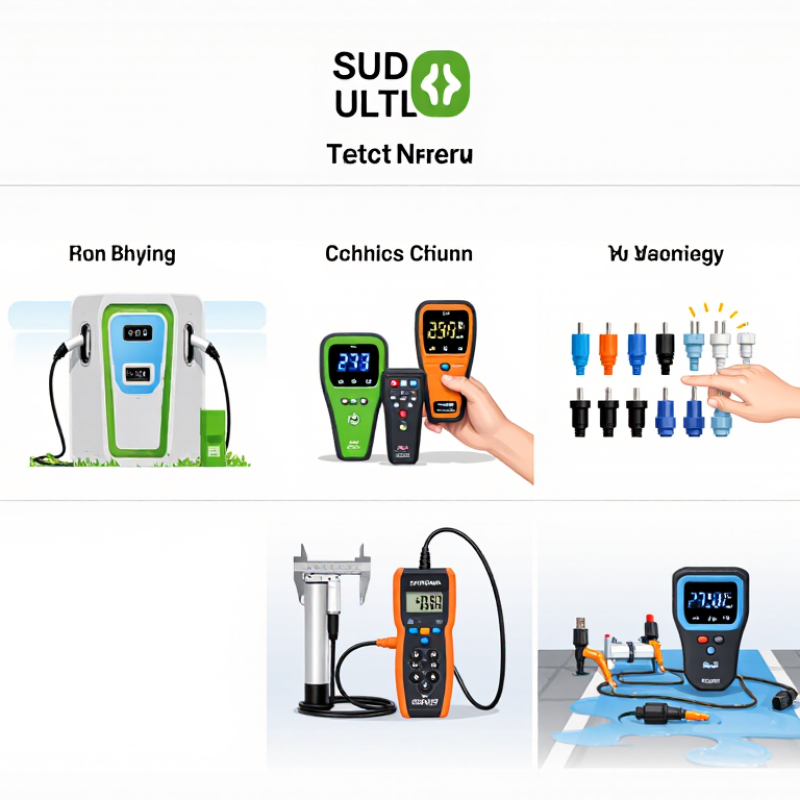
Identify the Charger Types and Standards You Need to Test
Before buying an EV charger tester, list the equipment you actually service. A wall-mounted AC unit needs different checks from a high-power DC fast charger. For AC testing, look for support for control-pilot and proximity functions, protective-earth checks, and residual-current device tests. A tester that only confirms power is present may miss faults that stop charging or create a safety concern. Small details matter.
Match the tester to the connector and standards used in your region. IEC 61851 and IEC 62196 are common references for conductive charging and connectors; other markets may use standards such as SAE J1772. DC chargers can also require communication checks, insulation monitoring, and tests across higher voltage ranges. Ask whether the tester supports the exact protocol versions and adapters your jobs require. “Compatible” can mean less than it sounds. Check the manual.
Think about practical use, too. Will the unit fit inside a service bag? Can you read its display in bright sunlight beside a charger? Confirm its voltage and current ratings, calibration requirements, and safety protections before purchase. A broad standards list looks reassuring, but it does not prove that every test is supported. I would compare the test procedures, not just the labels. The missing adapter may become the costly part.
Check Measurement Range, Accuracy, and Supported Functions
When comparing EV charger testers, check the measurement range against the chargers you actually service. A unit may measure voltage, current, and protective-earth continuity, but its limits matter. For example, confirm that its voltage range covers your site supply and that its current measurement suits the test procedure. A wide range looks impressive, but it may add little value to routine inspections.
Accuracy deserves equal attention. Read the stated accuracy across the full range, not just at one convenient point. A tester that is accurate near its mid-range may give less dependable readings near its limits. Check whether specifications include resolution, operating conditions, and calibration intervals. Small print matters. If results vary between repeated tests, document the setup and inspect the leads before blaming the charger.
Supported functions determine what you can verify without extra equipment. Look for charging-state simulation, proximity or control-pilot checks, and any required protective-device tests. Not every tester supports every function, and some results depend on compatible adapters. Check the manual before buying. A clear display and simple test sequence help in dim parking areas, though they cannot replace sound procedures or a qualified operator. One detail buyers sometimes overlook: accessories and calibration can affect the real cost. Worth a second look.
7 EV Charger Tester Tips for Buyers
Check measurement range, accuracy, and supported functions. The chart shows example current limits signaled by common IEC 61851-1 AC control-pilot PWM duty cycles.
Buyer checklist: confirm the tester covers the voltage and current range you need; review its stated accuracy and resolution; and check for supported functions such as CP/PP testing, PE fault simulation, phase indication, and RCD testing where applicable. PWM values indicate the advertised maximum current, not the current actually measured by the charger.
Verify Safety Ratings and Protective Features
When comparing EV charger testers, treat safety markings as evidence to verify, not decoration. Check the exact model number against its manual and an independent certification directory. A listing that says “certified” without naming the standard or test scope deserves a closer look. Check the label.
Confirm that the tester’s voltage and measurement-category ratings suit the circuit and test point. The rating must match the job, not just the charger’s headline voltage. Review the enclosure rating, probe insulation, and lead condition. For outdoor checks, an ingress-protection rating can matter, but it does not make equipment safe when wet. That distinction is easy to miss.
Look for clearly described safeguards, such as fused inputs or overload protection, where relevant to the tester’s design. Read the manual for operating limits, warnings, and required checks, including protective-earth continuity when applicable. A tester cannot replace a qualified inspection. If markings, documentation, or supplied leads conflict, pause and request written clarification. It may feel overly cautious, but guessing about safety ratings is a poor shortcut.
Compare Compatibility, Calibration, and Ease of Use
An EV charger tester should match the equipment you need to assess, not just look technically capable. Check whether it supports the charger’s connector type, power level, and AC or DC testing needs. Confirm that it can verify the functions you care about, such as control-pilot signaling, protective-earth continuity, or fault responses. A long feature list is less useful if key tests require an incompatible adapter. That matters.
Calibration deserves the same scrutiny as compatibility. Ask whether the manufacturer provides a calibration certificate, a stated interval, and a clear way to track when recalibration is due. Look for documented accuracy across the readings you will actually use, rather than a single headline figure. A dated certificate helps. It does not guarantee careful handling or correct setup, though. I would also check whether the tester flags failed self-checks before a measurement begins.
Ease of use becomes obvious beside a charger cabinet, where light may be poor and cables can be awkward. A readable screen, labeled ports, and prompts that explain each test can reduce setup mistakes. Try the menu with gloves on, and see whether results can be saved with a charger ID and timestamp. Simple is good. But a very simple interface can hide important settings, so inspect the test steps before buying.
Assess Warranty, Support, and Total Cost of Ownership
An EV charger tester is only useful when it stays accurate and available. Check whether the warranty covers calibration, batteries, probes, and accidental damage. A one-year warranty may sound adequate, yet overseas shipping can keep a tester out of service for weeks. Ask who handles repairs, whether loaner units are available, and how quickly technical support responds. Keep receipts. Small details matter.
Total cost of ownership includes more than the purchase price. Calibration, software, accessories, training, shipping, and downtime all add up. The IEA’s Global EV Outlook 2024 reports that public charging points exceeded four million worldwide in 2023, growing by over 40% that year. More chargers can mean more testing work, but not automatically better service. Compare annual fees and calibration intervals with your expected workload. A cheap tester can become expensive.
Tip: Request a written five-year cost estimate and a sample calibration certificate. Check for measurement traceability and uncertainty, not just a pass result. In the United States, FHWA’s NEVI requirements set a 97% annual uptime target for covered charging ports, making repair turnaround commercially relevant. Ask for clear support response times. Field conditions still surprise you.
