
Essential Tips for Effective Offset Printing Inspection Guide?

In the world of printing, Offset Printing Inspection plays a critical role in ensuring quality and consistency. According to recent industry reports, up to 30% of print jobs encounter issues during production due to insufficient inspection processes. This highlights the necessity for a robust inspection guide to minimize errors and enhance output quality.

Effective inspection techniques help detect color inconsistencies, registration issues, and surface defects early in the printing process. Studies suggest that implementing a thorough Offset Printing Inspection protocol can reduce waste by as much as 25%. Yet, many companies overlook this vital step, leading to compromised final products and dissatisfied clients.

Understanding the nuances of Offset Printing Inspection is essential for maintaining industry standards. Printing companies must balance efficiency with quality. Failure to properly inspect can result in costly reprints and damaged customer relationships. Continuous refinement in inspection practices is crucial to navigate these challenges effectively.
Essential Tips for Effective Offset Printing Inspection Guide?

Understanding the Importance of Offset Printing Inspection

Offset printing is a widely used method in the printing industry. Effective inspection of this process is crucial. It ensures quality, reduces waste, and builds client trust. Understanding why inspection matters can significantly enhance print quality.

During the inspection phase, examine color consistency. Variations can mean issues with ink distribution. A small change can impact the entire print run. Check for clarity in images and text. Blurriness or misalignment indicates potential problems early. Committing to regular inspections can save time and resources.

When inspecting prints, don’t overlook substrate quality. The type of paper or material affects final results. Inconsistencies can lead to uneven ink absorption. Make it a habit to inspect batch samples randomly. This practice often reveals hidden flaws. Developing a keen eye for details leads to continuous improvement.

Key Elements to Inspect During Offset Printing Process

In offset printing, quality inspections are crucial to ensure the final product meets expectations. Begin by examining color consistency. Variations can occur due to several factors, such as ink viscosity and paper type. Use color swatches to compare against printed samples. This will help identify discrepancies early in the process.

Next, look closely at registration. Misaligned images can disrupt the flow of a design. An accurate registration ensures that colors overlap properly. A simple way to check this is by inspecting the edges of colored areas. If they appear blurry or misaligned, adjustments are necessary.

Don’t overlook the importance of paper quality. Different stocks can absorb ink differently. This affects the overall print quality. Conduct tests with the chosen paper before the full print run to avoid surprises. Additionally, inspect for defects like scratches or bubbles on the surface. These can mar the final product and reflect poorly on the printing process. Always maintain a checklist for thorough inspections. This way, patterns can be identified and addressed while still in production.

Essential Tips for Effective Offset Printing Inspection Guide

Inspection Element Description Importance Level Recommended Frequency
Color Quality Ensure that colors match the specified standards throughout the print run. High Every 500 prints
Registration Check alignment of printed layers; any misalignment can affect the final output. High Every 200 prints
Paper Quality Inspect paper for texture, weight, and finish to ensure compatibility with inks. Medium Before each job
Ink Density Measure the ink density to maintain consistency across the print job. High Every 100 prints
Print Speed Monitor the speed of the press to prevent misprints and quality issues. Medium Constant monitoring
Final Output Inspection Check the final prints for overall quality and consistency. Critical After each run

Common Defects to Look for in Offset Printed Materials

Effective inspection of offset printed materials is crucial for maintaining quality. Common defects can ruin the final product, so knowing what to look for is vital. Color consistency, registration issues, and surface imperfections are often encountered. According to industry reports, up to 30% of printed jobs may present some form of defect.

One prevalent issue is color variation. It can lead to unappealing results. Inspectors must check color against established standards during the print run. A quick tip: use color swatches and calibrated tools for accurate matching. Another common defect is misregistration, where colors fail to align properly. This can create a blurry image. An inspector should pay close attention to alignment during the printing process.

Surface flaws, such as scuffs or scratches, can also arise. They affect the aesthetic quality significantly. Inspectors should examine printed materials under bright light to catch these defects early. Remember, a minor oversight could lead to larger problems. Regular training for inspectors on these common defects is essential to improve overall print quality.

Tools and Techniques for Effective Offset Printing Inspection

Offset printing inspection is crucial for maintaining quality. This process ensures that every print job meets specific standards. To achieve this, several tools and techniques can enhance inspection effectiveness. A study from the Printing Industries of America indicated that nearly 30% of printing defects could be avoided with proper inspection methods.

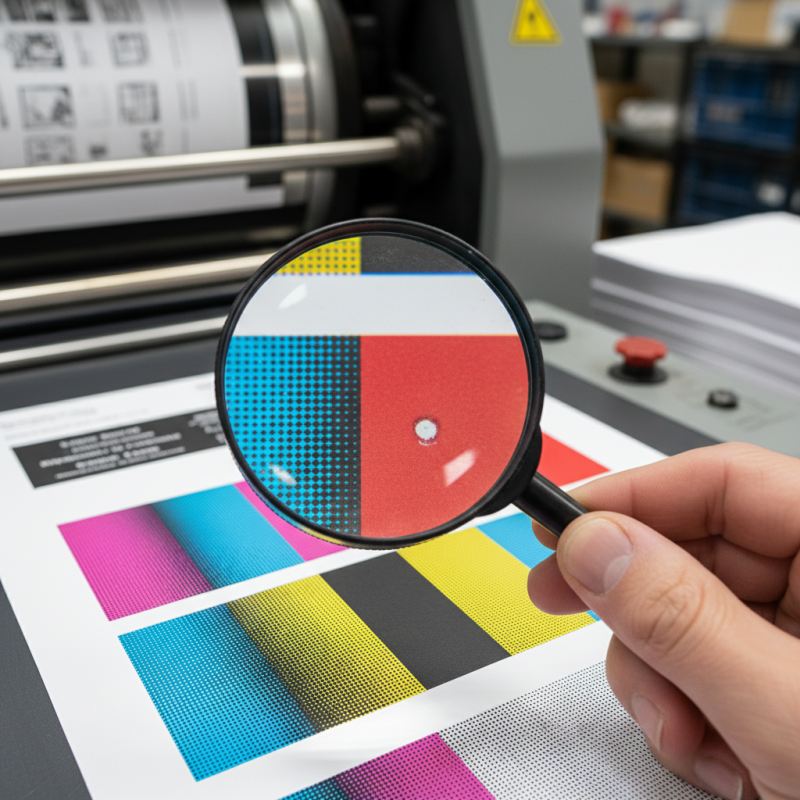
One effective tool is the densitometer. It measures color density accurately and helps monitor ink consistency. Regular calibration of this device can prevent color variations. Visual inspection is also important. Using a loupe or magnifying glass can reveal issues like misalignment or ink smudging. However, human error can happen. A dedicated team should be trained to use these tools effectively, as misunderstandings may lead to oversight.

Incorporating software solutions can also streamline the inspection process. Automated systems can flag discrepancies in real-time, enhancing accuracy. Yet, reliance on technology can sometimes overlook subtle issues that require human judgment. Balancing these tools with manual checks ensures a comprehensive inspection strategy, allowing for continuous improvement in printing quality.

Best Practices for Documenting Inspection Results and Feedback

Effective inspection in offset printing is crucial for achieving high-quality results. Documenting inspection results accurately is a key component of this process. Using clear, concise notes helps maintain oversight. A standardized form can be beneficial. It allows for quick identification of issues. This consistency promotes accountability and transparency.

Feedback should be specific and actionable. Avoid vague comments like "needs improvement." Instead, highlight particular areas such as color accuracy or registration issues. Include visual examples when possible. This concrete evidence enhances understanding. It also ensures that the feedback is constructive. It’s important to foster a culture where team members feel comfortable sharing insights, even if they don't have all the answers.

While documenting results, it’s essential to reflect on trends over time. Are certain issues recurring? This analysis can drive process improvements. It's okay to have imperfections in your documentation initially. With practice, clarity will improve. Creating a culture of inspection encourages growth. It leads to better outcomes for all involved in printing projects.

Offset Printing Inspection Metrics