How to Choose the Right Packaging Machinery?
Choosing the right packaging machinery can determine whether a production line feels dependable or constantly struggles. The decision affects filling accuracy, sealing quality, labor costs, product protection, and daily output. A machine may look impressive in a demonstration, yet perform differently with your materials, speeds, and factory conditions.
Begin with the product itself. Is it powder, liquid, fragile goods, or irregular items? Consider package dimensions, film thickness, container shape, and expected production volume. A conveyor, filler, labeler, or cartoner must match these details precisely. Small differences matter. A slightly unstable container can cause repeated jams near the sealing station.
Reliable selection also requires practical experience. Speak with operators who will run the equipment every day. Ask about cleaning time, changeover steps, noise, spare parts, and fault recovery. Review documented test results instead of trusting attractive promises. Request product trials using your actual packaging materials. This often reveals problems that a showroom cannot show.
Safety, hygiene, energy use, and applicable industry requirements deserve careful attention. Choose suppliers with clear technical documentation, responsive service teams, and proven installation support. Total cost includes training, maintenance, downtime, and future upgrades. The cheapest option may become expensive after several months. Even experienced teams get this wrong.
A strong evaluation compares performance with realistic production conditions, not ideal assumptions. Leave room for growth, but avoid buying capacity you cannot use. The right packaging machinery should support consistent quality, measurable efficiency, and safer work. It should also remain understandable to the people responsible for maintaining it. That final point is easy to overlook. Simplicity often protects reliability.
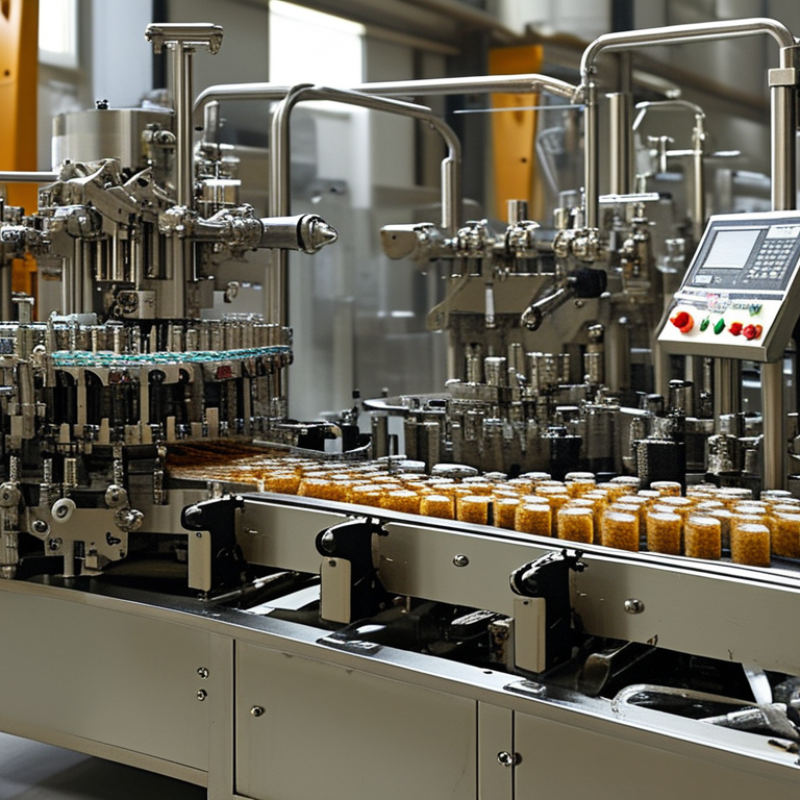
Define Your Packaging Requirements and Production Goals
Choosing packaging machinery starts with a clear production brief, not a machine catalogue. Define the product type, package dimensions, material, fill weight, seal style, and acceptable variation. Record how the product behaves on a real line. Powder may bridge, sticky food may smear, and fragile items may break during transfer. Small details matter.
Set measurable production goals. State target output per minute, daily operating hours, staffing, changeover time, and acceptable waste. Separate peak demand from average demand. A line sized for the highest forecast may sit underused for months. A slower machine may prove wiser if it improves uptime and reduces rework. Include cleaning, maintenance access, operator safety, and applicable packaging requirements.
Ask suppliers for performance evidence under conditions close to yours. Request trials using your product, packaging material, and planned speed. Observe feeding, sealing, coding, rejects, noise, and operator workload. A polished demonstration can hide difficult adjustments. Ask what happens after eight hours.
Build the specification around total operating cost. Include utilities, spare parts, tooling, training, planned downtime, and integration work. Confirm electrical requirements and floor space before approval. Document acceptance tests with clear limits for speed, seal quality, accuracy, and fault recovery. I have seen projects focus too heavily on speed. That choice can weaken reliability. A modest target may be more honest. Review the brief with operators and maintenance staff; they often notice awkward cleaning points that spreadsheets miss. Requirements change, and that is not failure. It is a reason to revisit assumptions before purchasing.
Compare Machinery Types, Functions, and Packaging Formats
Choosing packaging machinery starts with the product, not the machine catalogue.
A liquid may need a piston or pump filler, while powders often require auger or weigh-based systems. Granules usually perform better with combination scales. Check viscosity, particle size, moisture, and temperature before comparing models.
Small details matter.
Machine functions should match your production routine. Form-fill-seal equipment creates, fills, and seals bags in one process. Premade pouch machines offer flexible presentation but need accurate pouch feeding. Cartoning machines handle boxes, while labeling systems improve identification and traceability. For fragile products, gentle conveyors and controlled drops can reduce damage.
Faster is not always better.
Packaging format changes the entire equipment choice.
Bottles need filling, capping, and possibly induction sealing. Sachets require precise film control and heat-seal settings. Stand-up pouches may need zipper alignment and stronger sealing jaws. I have found that sample testing reveals problems that specifications hide. A machine can run well for ten minutes, then struggle with dust, uneven products, or changing film tension.
That matters.
Compare output speed, changeover time, cleaning access, footprint, and operator training. Ask for realistic trials using your materials and packaging films. Measure rejects, seal strength, fill accuracy, and energy use. Do not trust one impressive demonstration. A slower machine with stable performance may serve better than a fast system that needs constant adjustment. Leave room for maintenance and future format changes.
Mistakes happen. Plan for them.
Evaluate Capacity, Compatibility, and Automation Features
Choosing packaging machinery starts with capacity, not a glossy specification sheet.
In plant assessments, I measure real throughput during product changeovers, cleaning, and short stoppages. A machine rated for 120 packs per minute may deliver less in daily operation. PMMI’s 2024 State of the Industry report places U.S. packaging machinery shipments above 10 billion dollars, showing strong investment pressure across manufacturers. Yet higher speed is not always better. A 15% capacity reserve is often more practical than buying oversized equipment.
Compatibility deserves equal attention.
Check package dimensions, film thickness, sealing temperature, product weight, and line layout. Test the actual materials, not only samples supplied for demonstrations. A small difference in film stiffness can create wrinkles, seal failures, or frequent jams. The Packaging Machinery Manufacturers Institute also emphasizes integration and workforce demands in its industry outlook. That point is easy to underestimate. Operators must adjust settings quickly, without searching through complicated screens.
Automation should remove repetitive work while preserving useful human control.
The International Federation of Robotics reported 553,052 industrial robot installations worldwide in 2022, a 5% annual increase. This supports investment in robotic loading, inspection, and case packing. However, automation can expose weak upstream processes. I have seen sensors added before basic alignment problems were fixed. The result was expensive noise. Review changeover time, data access, maintenance skills, and spare-part availability before approving a purchase. A flexible machine may outperform a faster one. Sometimes, the less impressive option is wiser.
Assess Safety, Maintenance, Training, and Technical Support
How to Choose the Right Packaging Machinery?
Assess Safety, Maintenance, Training, and Technical Support
Choosing packaging machinery requires more than checking speed and output. Safety should be tested during normal operation, cleaning, adjustment, and unexpected stops. Look for guarded moving parts, accessible emergency stops, clear warning labels, and safe access around conveyors. Safety comes first.
Ask the supplier for documented risk assessments and operating procedures. During a factory visit, watch how operators interact with the machine. Do they reach across moving parts? Can they see the sealing area clearly? Small design flaws can become daily hazards. Do not guess.
Maintenance affects production reliability. Inspect lubrication points, filters, belts, sensors, and changeover components. Tools should be easy to access, without forcing technicians into awkward positions. Request a maintenance schedule based on operating hours, not vague promises. Spare parts availability also matters, especially for wear components.
Training should include hands-on practice, fault recovery, cleaning, and safe shutdown procedures. A short demonstration is not enough. Operators need written instructions and time to repeat tasks. People forget. Refresher training helps, but many facilities underplan it.
Technical support should provide clear response times, remote troubleshooting, service documentation, and qualified field assistance. Ask how faults are diagnosed when production stops at night. Check whether support staff understand your packaging materials and line layout. I once underestimated the value of simple diagnostic screens; unclear messages caused unnecessary delays. That experience changed how I evaluate machinery. Reliability is not only built into the equipment. It also depends on the people, processes, and support behind it.
How to Choose the Right Packaging Machinery?
Recommended evaluation weighting for safety, maintenance, training, and technical support
Safety receives the highest priority because machinery should include appropriate guarding, emergency stops, risk controls, and documented compliance. Maintenance and technical support help reduce downtime, while operator training ensures safe and consistent use. Use these percentages as a practical scoring framework when comparing equipment suppliers.
Calculate Total Ownership Costs and Select the Best Machine
How to Choose the Right Packaging Machinery?
Calculate Total Ownership Costs and Select the Best Machine
The purchase price is only the beginning. A reliable decision starts with a five-year ownership estimate. Include installation, operator training, energy, maintenance, spare parts, and planned upgrades. Record each cost in a simple spreadsheet. Small expenses matter.
During a line assessment, measure actual output instead of trusting brochure figures. A machine rated for 120 packs per minute may deliver less with frequent size changes. Check film waste, changeover time, rejected packs, and cleaning hours. Ask operators what slows their shift. Their practical experience often reveals hidden costs.
Energy use deserves close attention. Compare power consumption during production, standby, and warm-up periods. Maintenance records should show service intervals and likely replacement parts. Request test results using your materials, product sizes, and target speeds. A short trial can expose sealing problems or unstable feeding.
Do not ignore floor space. Extra conveyors, guarding, or storage may increase installation costs. Safety features, training quality, and technical support also affect long-term reliability. Calculate cost per acceptable pack, not cost per machine. That number connects investment with real production.
Our first estimate may still be wrong. Demand can change, and labor costs can rise. Leave room for uncertainty. A flexible machine may justify a higher initial price when future formats remain unclear. Yet flexibility is not automatically valuable. Pay only for capabilities your operation can realistically use.
How to Choose the Right Packaging Machinery? - Calculate Total Ownership Costs and Select the Best Machine
Five-year comparison for a mid-scale dry-product packaging operation
| Machine Type |
Initial Investment |
Estimated Annual Operating Cost |
Productivity and Ownership Cost |
Best Fit |
| Machine Price |
Installation |
Training |
Energy |
Labor |
Maintenance & Spares |
Packaging Waste |
Downtime Cost |
Typical Speed |
Expected OEE |
5-Year TCO |
5-Year Cost per Good Pack |
| Intermittent Vertical Form-Fill-Seal |
$48,000 |
$5,000 |
$1,500 |
$2,400/year |
$42,000/year |
$4,800/year |
$3,600/year |
$3,000/year |
55 packs/min |
78% |
$328,700 |
$0.0128 |
Flexible small-to-medium batches and moderate output |
| Continuous Vertical Form-Fill-Seal |
$78,000 |
$7,000 |
$2,000 |
$3,600/year |
$42,000/year |
$6,500/year |
$2,800/year |
$2,200/year |
90 packs/min |
82% |
$364,700 |
$0.0082 |
High-volume products requiring efficient roll-stock packaging |
| Premade Pouch Filling and Sealing |
$62,000 |
$5,500 |
$1,500 |
$1,800/year |
$42,000/year |
$5,500/year |
$2,200/year |
$2,800/year |
45 packs/min |
80% |
$334,300 |
$0.0155 |
Premium pouch appearance and frequent package-size changes |
| Horizontal Form-Fill-Seal |
$68,000 |
$6,000 |
$1,500 |
$3,000/year |
$42,000/year |
$5,800/year |
$3,000/year |
$2,500/year |
100 packs/min |
80% |
$350,200 |
$0.0058 |
High-throughput pillow packs and regularly shaped products |
| Selection Summary |
| Lowest Initial Investment |
Intermittent vertical form-fill-seal at approximately $54,500, including installation and training. |
| Lowest Five-Year TCO |
Intermittent vertical form-fill-seal at approximately $328,700 under the stated operating assumptions. |
| Lowest Cost per Good Pack |
Horizontal form-fill-seal at approximately $0.0058 per good pack because of its higher throughput. |
| Best Overall Choice |
Choose the machine that matches the required product format and annual volume. For maximum throughput, horizontal form-fill-seal is the strongest option; for lower financial risk and flexible production, intermittent vertical form-fill-seal is the safer choice. |
|
Calculation assumptions:
250 operating days per year, 8 operating hours per day, one operator per machine, a five-year evaluation period, and residual value estimated at 10% of the machine purchase price.
Five-year TCO = purchase price + installation + training + five years of operating costs − estimated residual value.
OEE includes availability, performance, and quality losses. Actual results will vary according to product characteristics, labor rates, film prices, production schedule, service response, and changeover frequency.
|