
Top Laser Cutting Machine Tips for Perfect Results?

A laser cutting machine can transform your ideas into reality. With precise cutting capabilities, it is widely used in various industries. However, achieving perfect results requires more than just the right equipment.

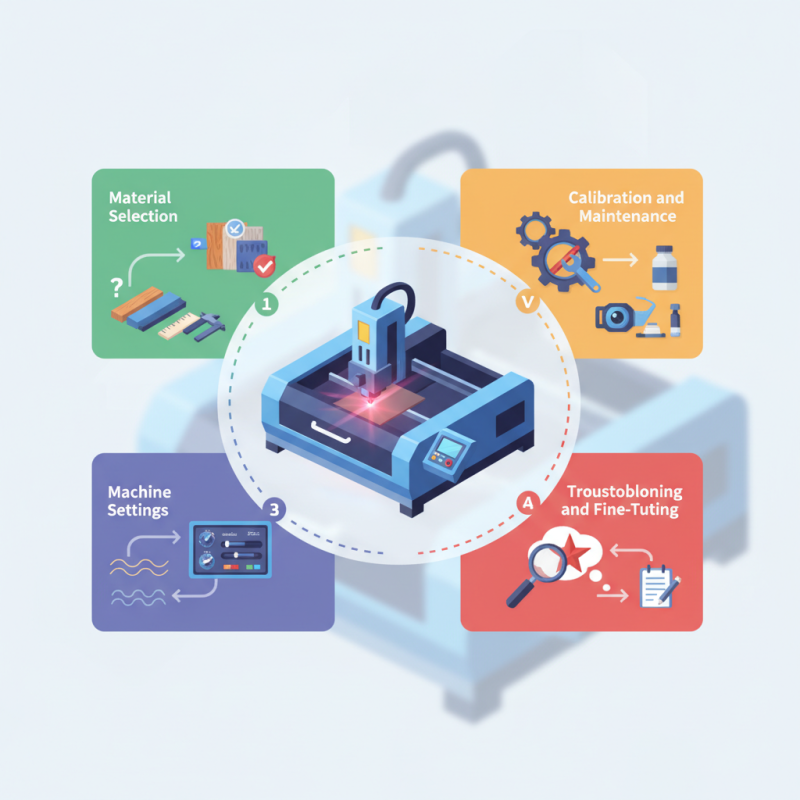
One of the common challenges is material selection. Certain materials react differently to the laser, leading to unexpected outcomes. Finding the ideal thickness and type can make a significant difference. Calibration also plays a critical role. Even a small error can result in imperfect cuts. Regular maintenance of the laser cutting machine is essential to maintain its efficiency.

Additionally, the settings on the machine must align with the material used. Speed, power, and frequency all influence the final product. If mistakes occur, it’s crucial to analyze what went wrong. Understanding how to fine-tune these settings can lead to remarkable improvements. A thoughtful approach to these factors will enhance your laser cutting experience.
Top Laser Cutting Machine Tips for Perfect Results?

Understanding Laser Cutting: Basics and Applications

Laser cutting is a transformative technology that has gained traction across various industries. This process uses a focused beam of light to precisely cut materials. Reports indicate that the global laser cutting market is expected to reach $5.6 billion by 2025, reflecting its widespread adoption in automotive, aerospace, and metal fabrication sectors.

Understanding the basics of laser cutting is crucial. The technique can cut through metals, plastics, and composites with remarkable accuracy. However, there are challenges. Material thickness can affect the cutting quality significantly. Operators must adjust power and speed settings accordingly. Data shows that settings need to be optimized for each material type. For instance, aluminum requires different settings than stainless steel to ensure clean cuts.

Applications of laser cutting extend beyond mere fabrication. It is widely used for engraving and marking products. Industries utilize it for producing intricate designs quickly. However, not all results are perfect. Inconsistent edge quality still poses a problem. Operators often need to experiment with various parameters to attain the desired finish. Testing and adjusting is part of the learning curve in mastering laser cutting technology.

Essential Factors Affecting Laser Cutting Quality

Laser cutting quality depends on multiple essential factors. The type of material plays a crucial role. Thicker materials often require higher power settings. However, too much power can lead to burning. This leads to undesirable edges and affects the overall finish.

Another key factor is the speed of the cut. A slower speed can yield cleaner cuts but may also cause heat buildup. This can warp materials, creating an uneven surface. Conversely, cutting too quickly may result in incomplete cuts. It's crucial to strike a balance that suits the specific material being used.

Focus on the focal length of the lens too. If it's not correctly adjusted, it can affect the beam's intensity and precision. Regular maintenance and calibration of the laser equipment are vital. Dust and debris can hinder performance and lead to unexpected results. Reflecting on these factors can help refine your process for better laser cutting outcomes.

Top Laser Cutting Machine Tips for Perfect Results

Factor Description Impact on Quality Recommended Setting
Material Type Different materials react differently to laser cutting. High impact on edge quality and cut speed. Use manufacturer specifications for optimal settings.
Laser Power The strength of the laser affects the cutting ability. Directly influences cutting speed and quality. Adjust according to material thickness.
Cutting Speed Speed at which the laser moves across the material. Can affect kerf width and heat-affected zone. Balance speed for desired cut quality.
Focus Position of the laser beam focus point. Critical for precision cutting and minimal burn marks. Regularly check alignment and height.
Gas Assist Gases used can enhance or impede cutting performance. Affects edge quality and the removal of molten material. Use recommended gas type for your material.

Choosing the Right Material for Optimal Laser Cutting

When it comes to laser cutting, choosing the right material is crucial. Various materials respond differently to laser technology. For instance, acrylic is popular due to its clarity and ease of shaping. Reports indicate that acrylic can achieve precision cuts and maintain edge quality. However, it can melt if the settings are not adjusted properly.

Metals like stainless steel and aluminum require different considerations. They absorb heat differently, sometimes leading to warping or discoloration. The American Welding Society reports that improper settings may cause dross formation, affecting the final product. Experimenting with different power settings helps capture the best results.

Wood is another variable. Laser cutting can enhance its natural aesthetic. Yet, variations in moisture content can create unexpected challenges. A study from the Journal of Manufacturing Processes notes that high moisture can produce a charred edge. Understanding the moisture content is vital for better outcomes. Each material demands attention and may lead to flawed results without thorough experimentation.

Top Laser Cutting Machine Tips for Perfect Results

This chart illustrates the optimal material types for laser cutting based on their average cutting speed and thickness. The data is crucial for choosing the right material to achieve perfect results in laser cutting processes.

Maintaining Your Laser Cutting Machine for Best Performance

Maintaining your laser cutting machine is crucial for optimal performance. Regular cleaning is essential. Dust and debris can accumulate on the optics, leading to reduced efficiency. Research indicates that machines with well-maintained optics operate 20% more effectively. Check for lens clarity often. A small smear might lead to a significant drop in quality.

Another vital aspect is recalibrating the machine. Over time, settings can drift. Adjustments should be made as part of routine maintenance. Experts suggest recalibration every few hundred hours of operation. This practice can prevent costly mistakes. Even minor misalignments can create imperfect cuts, leading to wasted materials.

Lastly, consider software updates. Many laser cutting machines rely on specific programs. Using outdated software could lead to compatibility issues. If the software is not updated, users might face inefficiencies. Regularly check for vendors' updates. It’s a small step that can greatly improve operations. Stay aware of your machine's condition. Neglect can lead to unexpected breakdowns or worsened performance.

Tips for Effective Design Files in Laser Cutting Projects

When you prepare design files for laser cutting, clarity is key. Your files should be easy to understand. Complicated designs can lead to errors. Simple lines work best for cutting.

Ensure your paths are continuous. Broken paths can cause the machine to struggle. This results in uneven cuts, which is frustrating.

Proper file format matters too. Use vector formats like SVG or DXF. They maintain the quality of your design. Raster images can lose detail. High-resolution images may seem appealing, but they can complicate the cutting process. Keep it straightforward to avoid issues.

Lastly, double-check dimensions and units. Inaccurate measurements lead to mistakes. Your cut piece may not fit as planned. A small oversight can lead to a waste of materials and time. Always conduct a test cut if unsure. It’s a simple way to verify your design works correctly before the final run.