
What is Print Inspection and How Does It Work?

Print Inspection is a crucial process in the printing industry. It ensures that printed materials meet high-quality standards. Effective Print Inspection can reduce material waste and enhance overall productivity.

This process involves various techniques, such as visual inspections and automated monitoring. Traditional methods of Print Inspection rely heavily on human eye experience. However, this approach has its flaws. It can lead to inconsistent results.

Integrating technology into Print Inspection increases accuracy and efficiency. Automated systems can analyze prints in real time. They catch defects that may go unnoticed by the naked eye. Yet, reliance on technology raises concerns about potential failures. The balance between human judgement and machine precision is essential. Understanding Print Inspection is vital for companies aiming to maintain high-quality standards in production.
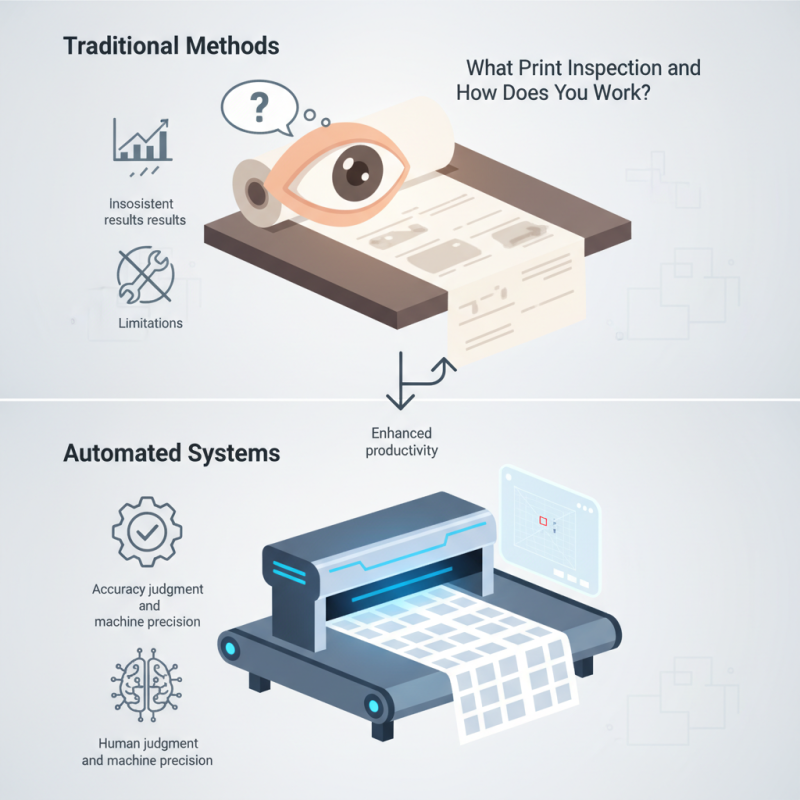
What is Print Inspection and How Does It Work?

What is Print Inspection?

Print inspection is a critical process in the printing industry. It ensures that printed materials meet specified quality standards. This step involves checking for defects, color accuracy, and overall print quality. Every print run can reveal issues that may affect the final product.

The inspection process can use various technologies. One common method is camera-based inspection. These systems automatically scan printed materials in real-time. They identify inconsistencies that the human eye might miss. However, reliance on technology may not always yield perfect results. Sometimes, manual checks are necessary to verify the machine findings.

While print inspection improves quality, it can still be flawed. Human error, misalignment, or incorrect settings can lead to overlooked defects. Regular training and updates on inspection technology are essential. The goal should be to minimize errors and enhance the final printed product. By consistently refining the inspection process, the industry can better meet customer expectations.

The Importance of Print Inspection in Quality Control

Print inspection plays a vital role in maintaining product quality. It ensures that printed materials meet expected standards. Quality control becomes essential, especially in industries like packaging, textiles, and publishing. Consumers demand perfection, and even minor flaws can lead to dissatisfaction.

During the print inspection process, operators scrutinize various aspects of the product. Color consistency, alignment, and clarity are crucial factors. A small misalignment may go unnoticed initially but can result in significant issues later. Inconsistent colors can affect brand identity and consumer trust.

Despite its importance, print inspection can present challenges. Human error is always a factor. Operators may overlook defects, especially in high-volume production. Automation can help but is not foolproof. Regular training and recurring audits are necessary to improve accuracy. Continuous reflection on processes ensures that quality remains a priority in print production.

What is Print Inspection and How Does It Work? - The Importance of Print Inspection in Quality Control

Inspection Type Description Benefits Common Use Cases
Visual Inspection Manual checking for defects such as misprints or color variations. Immediate identification of visual defects, ensuring high aesthetic quality. Packaging, labels, and marketing materials.
Automated Inspection Use of cameras and software to detect print quality issues. Higher accuracy and efficiency compared to manual methods. High-speed production lines, newspapers, and magazines.
Color Measurement Quantitative analysis of color fidelity against standards. Ensures consistent color reproduction across prints. Textiles, food packaging, and product labels.
Dimensional Inspection Measuring the dimensions of printed materials to ensure specifications. Prevention of misfits and issues related to assembly. Packaging design and product components.
Post-Print Finishing Inspection Examination of finished printed products for defects after cutting, folding, etc. Ensures final product quality meets customer expectations. Final packaging and promotional materials.

Key Technologies Used in Print Inspection

Print inspection is a crucial process in ensuring the quality of printed materials. It involves a careful examination of prints to detect defects before they reach consumers. Various technologies play a vital role in this inspection process, enhancing accuracy and efficiency.

One of the key technologies used in print inspection is machine vision. This technology employs cameras and algorithms to analyze prints in real time. It identifies issues such as color discrepancies, misalignments, or missing elements. Despite its effectiveness, machine vision may miss subtle defects. Human oversight is often necessary to catch issues that technology overlooks.

Another important technology is spectral analysis. This method analyzes the color spectrum of printed materials. It helps in maintaining color consistency across different batches. However, spectral analysis can sometimes struggle with complex patterns or unique color blends. The balance between technology and human skill is essential to improve print quality comprehensively. Each technology has strengths and weaknesses, reminding us that a complete solution requires continuous improvement and refinement.

How Print Inspection Systems Work

Print inspection systems play a crucial role in maintaining quality across various printing processes. They utilize advanced technology to monitor printed materials for errors. These errors can include blurriness, misalignment, or color inconsistencies. Detecting issues during the printing process helps ensure that only the highest quality products reach the market.

These systems typically employ cameras and sensors to capture images of the printed output. Algorithms analyze these images in real-time. When a defect is identified, the system can alert operators immediately. This allows for quick corrections, minimizing waste and rework. However, it is essential to recognize that no system is perfect. False positives can occur, leading to unnecessary production halts. Sometimes, the systems may miss certain defects, resulting in inconsistencies.

Print inspection isn't just about technology; it requires constant human oversight. Operators must regularly review the systems' performance. This ensures they are calibrated correctly. Continuous training and refinement are essential. Striking a balance between automation and human intervention can enhance overall effectiveness. Maintaining quality control is a continuous journey, not just a destination.

Benefits of Implementing Print Inspection Solutions

Print inspection is a critical process in the printing industry. It ensures that print quality meets specific standards. This procedure can identify defects such as smudges, misalignments, or color issues. Implementing print inspection solutions offers several benefits that can boost production efficiency.

One key advantage is the reduction of waste. When defects are caught early, fewer flawed products reach the market. This saves materials and labor costs. Additionally, customers receive higher-quality products, leading to increased satisfaction. Inspection solutions also help streamline workflows. They provide real-time feedback, allowing for quick adjustments on the printing line.

However, there can be challenges. Some inspection systems might miss subtle defects, leading to potential quality issues. Also, integrating new inspection technologies can require time and training. The balance between speed and accuracy is crucial. Businesses must continuously evaluate the effectiveness of their inspection methods to ensure optimal performance. This ongoing reflection is necessary for sustained quality improvement in printing.