
7 Tips for Buying Pharmaceutical Grade Activated Carbon?
Buying Pharmaceutical Grade Activated Carbon requires more than comparing prices or iodine numbers. The material may look like fine black powder, yet its performance depends on pore structure, surface chemistry, ash content, and processing history. Small differences can influence impurity removal, taste, color, and product stability.
Professor Harry Marsh, a respected activated-carbon researcher, stated, “Adsorption depends on the pore structure and surface chemistry of the carbon.” That principle deserves attention. A high iodine value does not automatically guarantee pharmaceutical suitability. Buyers should review the certificate of analysis, pharmacopoeial compliance, particle-size distribution, heavy-metal limits, microbial data, and endotoxin controls. Supplier documentation should match the actual batch.
These seven tips focus on practical buying decisions. Check whether the manufacturer operates under suitable quality systems, such as GMP-based controls. Confirm raw-material origin and production conditions. Examine packaging integrity, storage requirements, and traceability codes. Ask how the supplier manages batch variation. Request evidence from independent testing when the application is sensitive.
Do not overlook leachable substances. They can remain hidden until the carbon contacts a liquid formulation. It is also wise to test a representative sample under realistic process conditions. Bench testing may reveal slower filtration, unexpected fines, or reduced adsorption capacity. I have seen buyers rely too heavily on one specification. That approach is convenient, but incomplete. Pharmaceutical Grade Activated Carbon should be selected through documented evidence, technical dialogue, and risk-based evaluation. A reliable supplier welcomes difficult questions and gives clear, consistent answers.
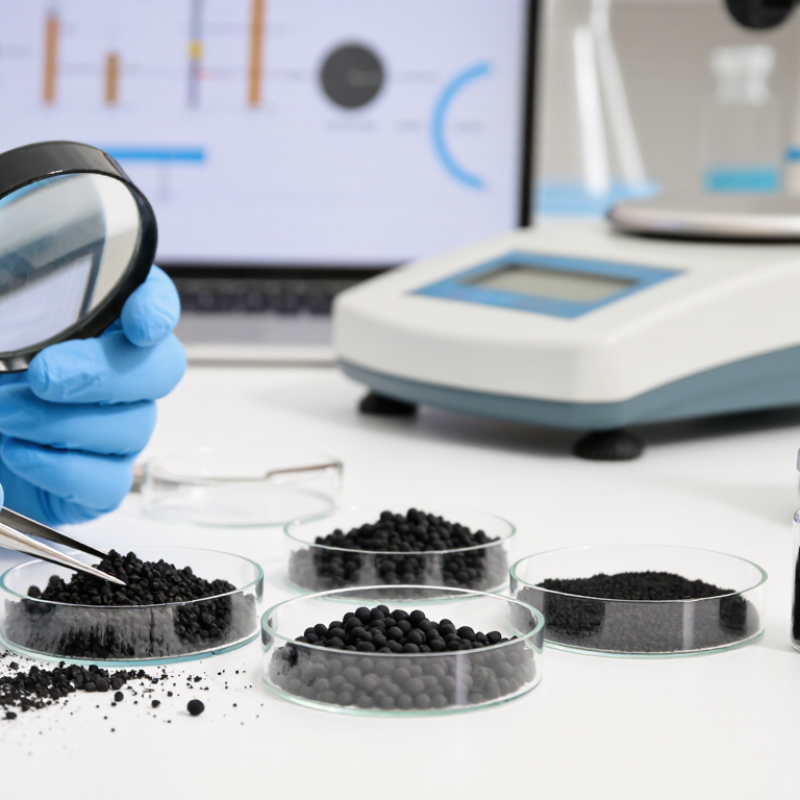
Understanding Pharmaceutical-Grade Activated Carbon Requirements
7 Tips for Buying Pharmaceutical Grade Activated Carbon
Understanding Pharmaceutical-Grade Activated Carbon Requirements
Pharmaceutical-grade activated carbon is not simply charcoal with a higher price. Buying decisions should begin with the process, not a catalogue photograph. Define its role clearly, such as decolorization, impurity adsorption, or process-water treatment. Contact time, temperature, pH, and filtration equipment can change performance significantly. A powder that works well in a laboratory beaker may clog a production filter.
Check the supplier’s specification carefully. It should identify raw materials, activation methods, particle size, moisture, ash, and relevant purity limits. Heavy metals, microbial limits, and extractable impurities may also require attention. Traceability matters. Request a current certificate of analysis for each lot, not a generic document. The certificate should link to a batch number and stated test methods. Confirm whether claimed compliance refers to an applicable pharmacopeial standard or only an internal specification.
A common mistake is treating a high iodine number as proof of pharmaceutical suitability. It measures one adsorption property, not the whole risk profile. Ask for change-control records, packaging details, storage conditions, and manufacturing-site quality information. Then test a representative sample in the actual process. Observe filtration speed, color removal, residue, and cleaning effort. Small details matter. A faint odor or unexpected dust can signal handling problems. I would also challenge my own purchasing assumptions: the lowest price may hide testing costs, inconsistent lots, or difficult waste handling. Pilot results and supplier audits should support the final decision, rather than marketing language alone.
Checking Purity, Performance, and Pharmacopoeial Compliance
Buying pharmaceutical grade activated carbon requires more than reading “high purity” on a product sheet. Check the applicable pharmacopoeial monograph and confirm whether the material meets its identity, purity, ash, moisture, and performance requirements. The correct standard depends on the intended application and market. A supplier should provide a batch-specific certificate of analysis, not a generic document reused for every shipment.
Look closely at adsorption performance. Iodine number, methylene blue adsorption, particle size, pH, and bulk density can affect processing results. Test results should include clear methods, units, acceptance limits, and laboratory identification. Also review elemental impurities, microbial limits, endotoxin requirements when relevant, and possible process residues. A clean-looking black powder proves little.
Traceability matters. Ask for the raw material source, manufacturing date, lot history, packaging details, and storage conditions. The container should protect the carbon from moisture and airborne contamination. Supplier qualification should include quality-system reviews, change-control procedures, and independent testing of incoming batches. Small differences can matter.
One practical warning: “pharmaceutical grade” is not automatically pharmacopoeial compliance. Claims may sound stronger than the evidence. Compare the certificate with the current official requirements, and verify unusual results before approval. I would also question a perfect report with no method details. Real testing has limits, and those limits deserve attention.
7 Tips for Buying Pharmaceutical-Grade Activated Carbon
A practical screening model for checking purity, performance, and pharmacopoeial compliance.
The chart shows an illustrative 100-point purchasing checklist. Identity and purity, adsorption performance, ash, moisture, extractables, microbiological quality, and traceability are commonly evaluated when qualifying pharmaceutical-grade activated carbon. Acceptance limits must be confirmed against the applicable current USP–NF, Ph. Eur., BP, or other recognized pharmacopoeial monograph and the intended application.
Choosing the Right Carbon Type for Pharmaceutical Applications
Choosing carbon for pharmaceutical work is not a color decision. Start with the process duty: decolorization, impurity removal, or final polishing. Powdered activated carbon suits batch treatment because it disperses quickly and can be filtered afterward. Granular carbon supports continuous columns and may reduce handling during production. Extruded carbon offers useful mechanical strength, but its pore structure must match the target molecules.
Seven checks deserve attention. Review the raw material, pore-size distribution, ash content, moisture, and extractable substances. Confirm pharmaceutical-grade documentation, lot traceability, and current testing against relevant compendial requirements. Check microbial limits and endotoxin controls when the process requires them. Do not accept a certificate blindly. Compare its test methods with your internal specifications. Small differences can matter.
Run a laboratory trial using the actual process liquid. Measure color reduction, adsorption capacity, filtration time, and carbon release. A carbon that performs well in water may behave poorly in a viscous formulation. Particle size also changes mixing and filter loading. Storage conditions deserve attention; damp carbon can create handling and quality concerns. I have seen teams choose the highest adsorption number and overlook filtration losses. That choice looked efficient on paper. It was not. Select the carbon type through documented trials, supplier audits, and risk-based review, then reassess it when the formulation or process changes.
Evaluating Suppliers, Certifications, and Manufacturing Practices
Buying pharmaceutical-grade activated carbon requires more than a clean datasheet. Evaluate the supplier’s experience with controlled pharmaceutical materials and documented quality systems. Ask for recent certificates of analysis, not generic samples from an old batch. Each report should show batch identity, adsorption results, ash, moisture, and impurity limits. Test methods must be stated clearly. A vague certificate is a warning.
Check whether certifications cover the actual manufacturing site and product scope. A current GMP-aligned system, ISO certification, and relevant pharmacopeial testing can support confidence, but they are not interchangeable. Request certificate numbers, expiry dates, audit status, and issuing bodies. Then verify them independently where possible. Supplier qualification should include change-control records, complaint handling, and recall procedures. These details reveal how a company behaves after a problem, not just during a sales meeting.
Manufacturing practice deserves a closer look. Ask about raw material origin, activation conditions, washing, drying, particle control, and packaging. Dedicated equipment or validated cleaning reduces cross-contamination risk. Traceable batch numbers should follow material from incoming inspection to shipment. I would also compare retention samples with delivered goods. Small differences can matter. No evaluation is perfect; supplier documents may look complete while practical controls remain uneven. An on-site audit, or a qualified independent audit, can expose gaps that paperwork misses. That extra skepticism may delay purchasing, but it protects the process.
7 Tips for Buying Pharmaceutical Grade Activated Carbon? - Evaluating Suppliers, Certifications, and Manufacturing Practices
| No. | Evaluation Area | What to Check | Evidence to Request | Practical Buying Guidance |
|---|---|---|---|---|
| 1 | Confirm the Intended Pharmaceutical Use | Define whether the carbon is intended for oral medicinal use, process purification, pharmaceutical water treatment, or another controlled application. | Product specification, intended-use statement, dosage or process compatibility information, and regulatory status for the target market. | Do not treat general industrial activated carbon as pharmaceutical grade without application-specific qualification. |
| 2 | Verify Applicable Standards and Certifications | Check whether the product is manufactured and tested against a recognized pharmacopeial monograph or an agreed customer specification. | Current certificate copies, scope statements, pharmacopeial compliance declaration, and third-party certification details where applicable. | Distinguish product compliance from facility certifications. ISO 9001 supports quality management but does not by itself prove pharmaceutical suitability. |
| 3 | Review the Certificate of Analysis | Evaluate batch-specific results for identification, adsorption performance, moisture, ash, pH, particle size, and relevant impurity limits. | A signed Certificate of Analysis showing batch number, test methods, specification limits, actual results, release date, and authorized approval. | Compare several recent batches instead of relying on a generic technical data sheet or a single sample report. |
| 4 | Assess Raw Materials and Traceability | Identify the carbon source, activation method, processing aids, and controls for potential contaminants such as metals, ash, and polycyclic aromatic hydrocarbons. | Raw-material specifications, supplier qualification records, lot-traceability procedure, change-control policy, and contaminant testing data. | Prefer suppliers that can trace each finished batch back to controlled raw-material lots and documented production records. |
| 5 | Evaluate Manufacturing and Hygiene Controls | Review segregation, cleaning, environmental controls, equipment maintenance, foreign-matter prevention, and packaging operations. | Quality manual, manufacturing flow chart, audit questionnaire, sanitation procedures, deviation records, and an audit or virtual-audit option. | The level of GMP control should match the intended use and the applicable regulatory requirements for the finished product. |
| 6 | Check Packaging, Storage, and Shipping | Activated carbon can adsorb moisture, odors, and volatile substances, so packaging integrity and storage conditions can affect quality. | Packaging specification, seal-integrity controls, storage requirements, shelf-life or retest policy, transport conditions, and labeling format. | Use sealed, suitable packaging and protect the material from moisture, strong odors, chemicals, and cross-contamination. |
| 7 | Perform Qualification and Ongoing Supplier Review | Confirm performance in the actual process and establish controls for complaints, deviations, changes, recalls, and periodic requalification. | Prequalification sample results, risk assessment, technical agreement, change-notification procedure, complaint history, and corrective-action records. | Approve suppliers based on documented risk assessment, not price alone, and periodically verify continued compliance and batch consistency. |
Confirming Testing, Packaging, Storage, and Batch Traceability
When buying pharmaceutical grade activated carbon, request a current certificate of analysis for every batch. Check iodine number, moisture, ash, particle size, and microbial results. The testing method matters as much as the result. Ask whether an independent laboratory verified the data. A certificate without a clear specification is weak evidence. Do not assume “pharmaceutical grade” means sterile.
Inspect the packaging before accepting delivery. Sealed inner liners, strong outer cartons, and readable labels protect the carbon from moisture and contamination. Each label should show the product name, batch number, manufacturing date, retest date, net weight, and storage conditions.
Photograph damaged cartons at receipt. Small details become useful later. A torn liner may signal a larger handling problem.
Storage records should show a clean, dry, controlled area away from chemicals and strong odors. Keep containers closed until use, and apply a documented stock rotation system. Batch traceability should connect the supplier record, delivery note, test report, warehouse location, and production use. A simple mock recall can reveal missing links within minutes. One misplaced digit can break the chain. No review is perfect; handwritten corrections and rushed receiving checks still create risk. Recheck critical entries with a second person, especially when several batches look identical. Ask for retained samples when appropriate, and record who approved each release.
