
Top Tips for Choosing the Right Momentary Push Button Switch?
Choosing the right Momentary Push Button Switch can significantly impact your project's functionality. These switches are pivotal in various applications, from consumer electronics to industrial machinery. With so many options available, making a decision can be overwhelming.
Consider your specific needs. What is the environment like? Is it indoor, outdoor, or harsh? Knowing this influences your choice of material and design. Explore different switch types, such as illuminated or non-illuminated. Each has unique advantages and potential drawbacks to consider.
Reflect on your user experience. A switch that feels good in hand can enhance usability. Take into account factors like tactile feedback and actuation force. Gather feedback from users if possible. This insight can guide your final decision, ensuring you select the most suitable Momentary Push Button Switch for your application.
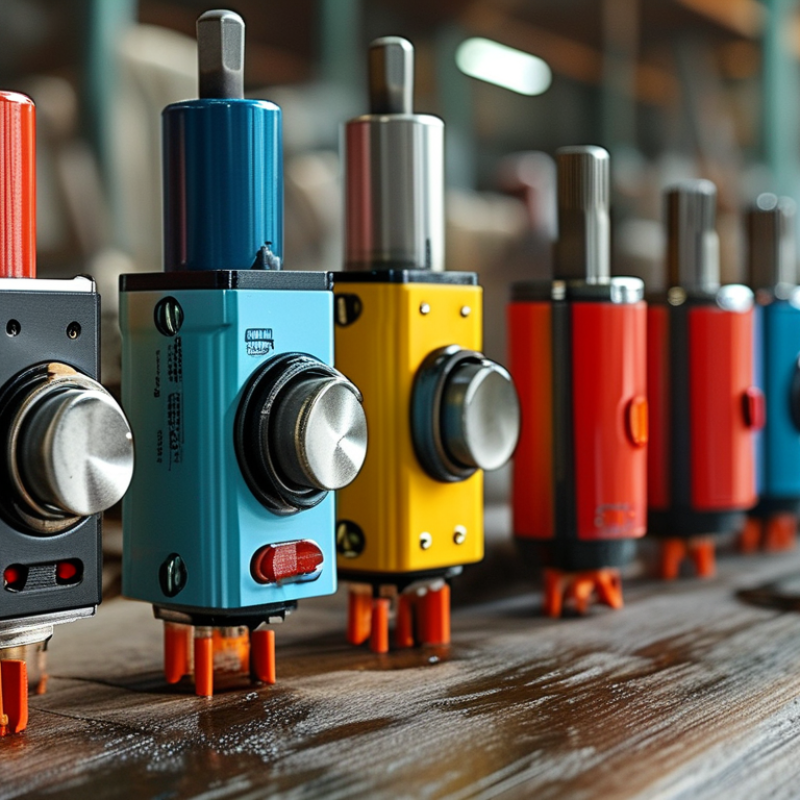
Understanding Momentary Push Button Switch Basics
Momentary push button switches are essential components in many devices. They are designed to complete a circuit only when pressed. This type of switch is used in various applications, from simple toys to complex machinery. Understanding their basics can help in making informed decisions.
These switches come in different designs and functionalities. Some are designed for low voltage, while others can handle higher currents. It’s crucial to choose a switch that suits your project’s requirements. Consider the voltage rating and the type of circuit you are working with. Physical size also matters, especially in compact devices.
When selecting a momentary push button switch, how it feels during operation is important. Does it provide satisfying tactile feedback? Does it require excessive force to activate? These are subjective but critical factors. Testing different models can lead to better choices. Keep in mind that mistakes can happen. A poor selection can lead to circuit malfunction. Thus, take your time to understand each option before making a final choice.
Key Factors to Consider When Selecting a Push Button Switch
Choosing the right momentary push button switch involves several key factors. Understanding the application is crucial. Consider how the switch will be used. Will it be in a high-traffic area or a controlled environment? Each setting impacts durability and design.
Think about the electrical specifications. The voltage and current ratings are essential. Make sure the selected switch can handle the required load. If you guess incorrectly, it could lead to failures. Testing the switch in real-world conditions is often beneficial. It might expose flaws not visible initially.
Aesthetic elements shouldn't be overlooked. The switch should complement the overall design. Color and size matter, especially in consumer products. This is an area that sometimes gets neglected. There is often pressure to focus strictly on function. Balancing form and function can significantly enhance user experience.
Types of Momentary Push Button Switches and Their Applications
When selecting momentary push button switches, understanding their types and applications is crucial. One common type is the SPST (Single Pole Single Throw) switch. This switch completes a circuit when pressed. It’s often used in simple on/off tasks, like turning a light on. The feel of the button and the pressure required can greatly affect usability. Users sometimes overlook this tactile feedback, which can lead to frustrating experiences.
Another type is the push-on/push-off switch. These switches toggle the circuit with each actuation. Applications often include devices that need momentary operation, like buzzers or alarms. Choosing the right switch calls for knowing how often a button will be pressed. Overusing a switch may cause wear and tear. Some users might later realize that they need a more durable option, which creates unnecessary delays in projects.
Illuminated momentary switches are also popular. These switches provide visual feedback, making them easier to locate in low-light environments. However, integrating lighting into your project increases complexity. Be aware that the extra components can cause failures. Proper research and planning are essential to avoid such pitfalls. Users may sometimes find themselves wishing for more straightforward, more reliable alternatives.
Top Tips for Choosing the Right Momentary Push Button Switch
| Type of Momentary Push Button Switch | Application | Operating Voltage | Current Rating |
|---|---|---|---|
| Standard Push Button | General Purpose | 12V - 24V | 5A |
| Illuminated Push Button | Control Panels | 220V | 3A |
| Sealed Push Button | Outdoor or Harsh Environments | 24V | 10A |
| Latching Push Button | Emergency Stop Switches | 12V - 48V | 15A |
| Soft Touch Button | Consumer Electronics | 5V | 100mA |
Evaluating Durability and Lifecycle of Push Button Switches
When selecting a momentary push button switch, durability and lifecycle are critical considerations. A reliable switch can last from 1 million to over 20 million cycles, depending on its design and materials. A report from the National Electrical Manufacturers Association (NEMA) suggests that switches with high-quality contacts fare better over time. These switches resist wear and tear, ensuring consistent performance.
Materials matter significantly. For instance, metal contacts typically offer enhanced durability compared to plastic ones. The choice of actuator also influences lifecycle. Push buttons with rubber actuators tend to wear out faster than those with metal or reinforced designs. Research from the Institute of Electrical and Electronics Engineers (IEEE) shows that proper sealing can extend the lifecycle by preventing moisture ingress.
Evaluating operating conditions is essential. High-temperature environments or exposure to solvents can shorten a switch's lifespan. Selecting a switch designed for specific applications, like industrial settings, can lead to improved reliability. Feedback from specialists indicates that regular assessments can help identify potential failures early, thus encouraging a proactive maintenance approach. Understanding these factors can guide users in making informed decisions about push button switches.
Wiring and Mounting Considerations for Push Button Switches
When selecting a momentary push button switch, understanding wiring and mounting considerations is crucial. The wiring configuration directly affects functionality. Choose a configuration that matches your system's voltage and current requirements. Pay attention to the terminal layout and ensure you can easily access each wire. A messy wiring job can lead to failures and troubleshooting headaches.
Mounting placement affects user experience and performance. The button should be easily accessible. Consider where people will interact with the switch. If it's too high or too low, it can cause frustration. Use proper mounting tools to ensure that the switch is securely fitted. Test the installation before finalizing it. Misalignment may lead to operational issues.
For enhanced reliability, always check compatibility with your application. Some switches may not perform well in high-vibration environments. Be mindful of the environment around the switch. Moisture and dust can hinder the switch's operation. Initial testing in real-world conditions can reveal potential pitfalls. It’s important to adapt your approach based on these insights. Explore your options fully before committing to a design.
