
Top 5 Tips for Choosing the Right Lotion Pump for Your Needs?

Choosing the right Lotion Pump can greatly enhance your daily skincare routine. A suitable pump not only ensures proper dispensing but also maintains product integrity. With countless options in the market, making a choice can be overwhelming.

Understanding your specific needs is crucial. For example, consider the type of lotion you have. Is it thick or thin? This affects how the pump operates. Additionally, the design of the Lotion Pump plays a significant role in usability. A well-designed pump can prevent spills and waste.

Moreover, quality is essential. A reliable pump can save you time and frustration. Some pumps become clogged or break easily. It’s vital to select a durable option from a reputable brand. Reflecting on your previous experiences with pumps can guide your decision, leading to a more satisfying choice.
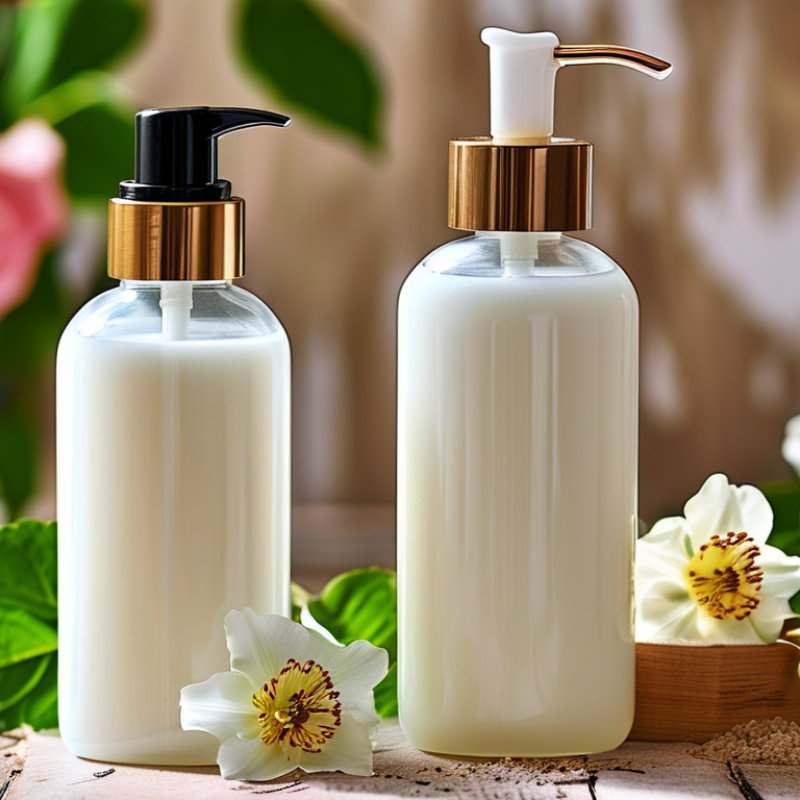
Top 5 Tips for Choosing the Right Lotion Pump for Your Needs?

Understanding Different Types of Lotion Pumps Available on the Market

When it comes to choosing the right lotion pump, understanding the different types available is crucial. There are several types on the market, including lotion pumps, foam pumps, and spray pumps. Each serves a unique purpose. Lotion pumps deliver a specific amount of product for creams and thicker formulas. Foam pumps are ideal for light lotions, creating a fluffy texture. Spray pumps work best for liquid products that require a fine mist.

According to a recent market report, the lotion pump segment is expected to grow at a CAGR of 5.2% from 2022 to 2030. This growth showcases the increasing demand for convenience and user-friendly packaging. Many consumers prefer pumps because they minimize waste. However, selecting the wrong type can lead to user frustration. Poor pump design can cause leaks. Inadequate product dispensing can result in wasted product. These factors must be evaluated before making a purchase.

It's also essential to consider material and durability. Pumps are often made from plastic or glass. Each material has its pros and cons. Plastic is lightweight and break-resistant, but glass is more durable and eco-friendly. Balancing these qualities with the intended use of the lotion will impact the overall experience. Take the time to reflect on these aspects before settling on a particular pump type.

Assessing the Size and Capacity Requirements for Your Lotion Pump

When choosing a lotion pump, size and capacity are crucial. Think about the volume of lotion you intend to dispense regularly. Larger containers might require pumps that can handle higher capacities. A pump that is too small won’t deliver enough product, leaving users frustrated.

Consider the end-user's convenience. A pump that dispenses too much at once can waste lotion and create mess. Aim for balance. A well-sized pump enhances the user experience. Additionally, if you're using the pump in various settings, portability becomes key. Compact pumps fit easily in bags or drawers, making them more versatile.

Don’t overlook the compatibility with your bottle. A pump that does not fit well may lead to leaks or inefficient use. Measure the neck of your bottle accurately. Sometimes, what seems ideal in theory may not work in practice. It’s essential to test your selection, ensuring it meets your actual needs. Assess these factors thoroughly before making a decision.

Evaluating the Material and Durability of Lotion Pumps

When choosing the right lotion pump, material and durability are key. The industry suggests that over 70% of consumers prioritize quality in packaging. A lotion pump's longevity not only affects user experience but also influences sustainability. Pumps made of high-density polyethylene (HDPE) or polypropylene provide excellent durability. They withstand corrosion and maintain integrity over time, making them suitable for various lotions.

Consider the application of the lotion. If it contains active ingredients, opt for pumps resistant to chemical degradation. Clear choices include pumps with stainless steel springs, enhancing reliability. Research indicates that pumps using glass or recyclable materials reflect a growing trend towards eco-friendly options.

Tip: Test the pump by dispensing it multiple times. Assess the feel and flow rate. Performance can vary widely among different designs. Nutrition and skincare reports highlight that faulty dispensers can lead to product waste, leading to dissatisfaction. Strive for a pump that delivers consistency. Finally, read reviews and consult industry resources. This adds confidence to your selection process and saves time.

Top 5 Tips for Choosing the Right Lotion Pump for Your Needs

Material Durability Rating Best Use Cases Pump Type Average Price
Plastic (Polypropylene) Moderate Lotions, Creams Standard Lotion Pump $0.50 - $1.00
Glass High Serums, Oils Glass Lotion Pump $2.00 - $4.00
Aluminum Very High Luxury Lotions Aluminum Lotion Pump $3.00 - $5.00
Bamboo High Natural Products Bamboo Lotion Pump $2.50 - $4.50
Recycled Plastic Moderate Eco-Friendly Products Eco Lotion Pump $0.80 - $1.50

Considering Design Features and Ease of Use in Lotion Pumps

Choosing the right lotion pump goes beyond just function. Design features play a crucial role in usability. A pump should feel comfortable in hand. Look for a design that is ergonomic and easy to grip. If a pump is difficult to hold, it may lead to spills or frustration. Simple, straightforward designs often work best. Complex shapes can be visually appealing but may lack practicality.

Ease of use is vital, especially for frequent users. A pump that requires excessive force may become tiresome over time. Consider how much product it dispenses per push. Too much or too little can waste resources or lead to dissatisfaction. A good pump dispenses a controlled amount each time. Check the opening size as well; it should accommodate various lotion viscosities without clogging.

Not all designs are one-size-fits-all. Some may prefer pumps that lock or have safety features. Others might value aesthetics and color options. Personal preference plays a significant role, so take the time to explore what suits you best. Reflect on your needs and consider flexibility in design. A thoughtful choice can enhance your daily skincare routine.

Identifying Cost-Effective Options Without Compromising Quality

When selecting lotion pumps, cost-effectiveness is paramount. Reports indicate that consumers prioritize value while ensuring the quality of the pump isn’t compromised. For instance, a recent market analysis highlighted that over 60% of consumers are willing to switch brands if a more affordable option maintains similar quality. This shows the demand for thoughtful decision-making in the lotion pump industry.

One must consider the materials used in a lotion pump. High-quality plastics, like PET or HDPE, are both cost-effective and reliable. A study from Packaging Strategies highlighted that the lifecycle cost of these materials often outweighs cheaper alternatives. However, a 20% increase in initial costs can yield pumps that last longer and reduce waste. This highlights a significant need for reflection on how immediate savings can lead to higher long-term costs.

Additionally, consumers should explore OEM options that allow for customization and better pricing. Research shows that about 30% of businesses are now investing in customized packaging solutions. These solutions can result in better performance and better alignment with their product. However, navigating OEM offerings can prove challenging, with varying standards across manufacturers. Focusing on finding vetted suppliers can help overcome this hurdle. Ultimately, keeping the balance between cost and quality requires careful consideration.