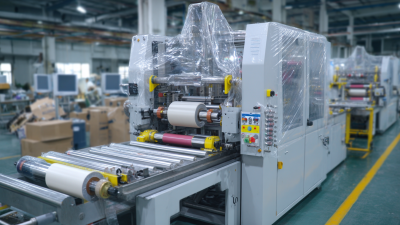
Top 10 Wrapping Machine Manufacturers Worldwide
The global wrapping machine market is becoming more automated, connected, and demanding. Manufacturers now compete on speed, film efficiency, hygiene, uptime, and after-sales support. Smithers’ The Future of Global Packaging to 2028 estimates that the worldwide packaging market will approach $1.2 trillion by 2028. This expansion supports continued investment in advanced wrapping machine technology.
PMMI’s 2024 State of the Industry report also highlights automation, labor shortages, and sustainability as major packaging equipment priorities. Jorge Izquierdo, PMMI’s vice president of market development, has said, “Automation is no longer optional for competitive packaging operations.” His observation reflects what many factories now experience: fewer operators, tighter production windows, and stronger pressure to reduce material waste.
Not every supplier performs equally. That matters.
This Top 10 Wrapping Machine Manufacturers Worldwide overview examines companies through practical criteria. These include machine reliability, operating flexibility, automation capability, safety design, global service coverage, and measurable energy performance. It considers solutions for food, beverages, pharmaceuticals, logistics, and industrial goods.
Market reports do not always use identical definitions. Some measure stretch wrappers, while others include flow wrapping and shrink systems. Therefore, comparisons require caution. A machine with the highest advertised speed may not deliver the best total value. Film changes, cleaning time, spare-parts access, and operator training can alter real-world results.
The manufacturers featured here represent established industry influence and technical depth. Yet no ranking is perfect. Buyer priorities differ by product shape, packaging material, factory scale, and regional regulations.
Definition and Scope of Wrapping Machines
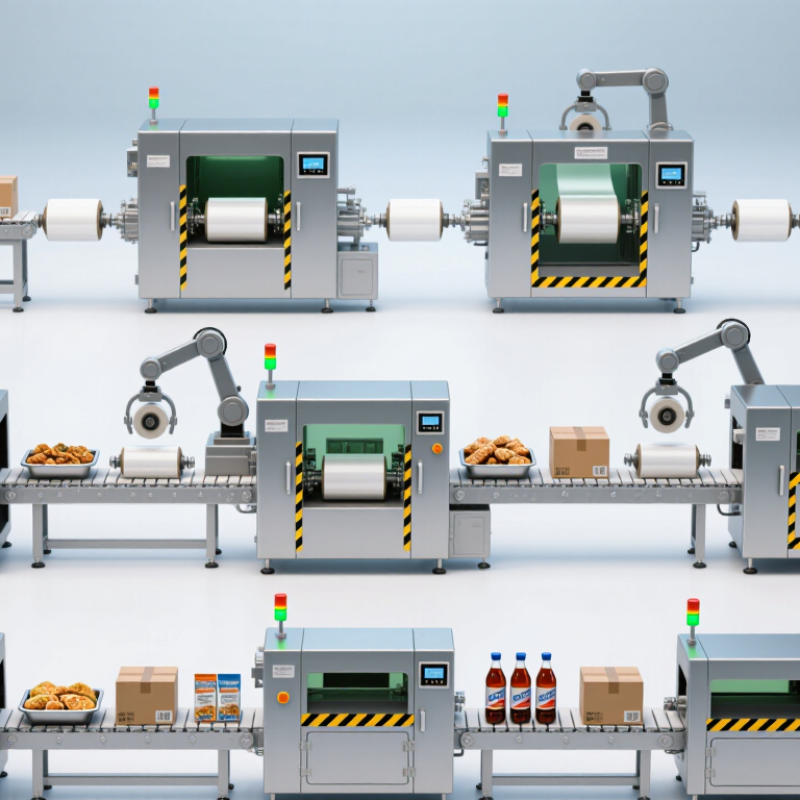
Wrapping machines are industrial systems that apply film, paper, mesh, or other flexible materials around products, loads, or grouped packages. Their scope includes stretch wrapping, shrink wrapping, flow wrapping, pallet wrapping, and selected overwrapping applications. A machine may rotate the load, move the film carriage, or seal and cut material around each item. The purpose is practical: stabilizing goods, limiting dust exposure, improving handling, and presenting consistent packages.
The boundary is not perfectly clean. Some reports classify cartoning, bundling, or sealing equipment separately, while others include them within wrapping machinery. Grand View Research’s 2024 wrapping machine analysis estimates the global market at roughly US$3 billion in 2023, with mid-single-digit annual growth expected through 2030. These figures should be read carefully because definitions vary by region and machine type. PMMI’s 2024 Global Packaging Trends report also identifies automation, connected controls, and labor efficiency as major equipment priorities. In a factory, this can mean a pallet turning steadily while film tension adjusts automatically. Small details matter. Poor tension can crush cartons or leave unstable loads. Energy use, film thickness, changeover time, and operator safety also belong within the machine’s real scope. A narrow market definition can hide these operating costs.
Criteria for Ranking Global Manufacturers
Ranking the top 10 wrapping machine manufacturers requires more than comparing sales figures. A credible method should examine verified revenue, global installations, machine uptime, service coverage, and documented customer experience. PMMI’s 2024 State of the U.S. Packaging Machinery Industry places annual packaging machinery shipments above 10 billion dollars, showing the market’s scale. However, shipment value alone can reward volume rather than dependable performance.
Technical scoring should include line speed, film waste, changeover time, energy use, and integration with inspection systems. ISO 9001 certification supports process consistency, while ISO 13849-related safety practices help assess machine controls. Interact Analysis reports that labor shortages continue pushing manufacturers toward automation, so remote diagnostics and fast spare-parts delivery deserve measurable weight. A machine that runs quickly but stops for hours is not truly efficient. That point is easy to miss.
Tips: Require audited data, not promotional claims. Compare three years of service records. Ask for uptime evidence under similar production conditions. The ranking should also separate pallet wrapping, stretch wrapping, and specialist applications. Their operating demands differ. A transparent score might assign 25% to reliability, 20% to service, 15% to total ownership cost, 15% to technical capability, and the remainder to sustainability, safety, and geographic reach. No score is perfect. Regional labor costs and film availability can distort comparisons, so the final list should disclose its assumptions.
Profiles of the Top 10 Wrapping Machine Manufacturers
Top 10 Wrapping Machine Manufacturers Worldwide
The ten manufacturers profiled here represent different strengths across the wrapping equipment sector. One focuses on high-speed horizontal flow wrapping, using servo-driven sealing jaws and automatic film tracking. Another builds stretch wrapping systems for pallets, where load stability and reduced film use matter most. A third specializes in robotic end-of-line cells, linking conveyors, sensors, and pallet dispensers. These differences make direct ranking difficult.
PMMI’s 2024 State of the Industry research identifies automation, labor shortages, and operational efficiency as major packaging investment drivers. The profiles therefore examine more than machine speed. They assess changeover time, film waste, safety controls, remote diagnostics, and access to service technicians. Several manufacturers offer modular platforms, allowing processors to add vision inspection or weighing systems later. That flexibility can protect capital budgets.
Not every high-output machine suits every factory. A compact producer may value simple controls and quick cleaning, while a multinational site may require digital data collection across several lines. Smithers’ packaging forecasts also point to continuing demand for efficient, resource-conscious equipment. Yet published performance claims need careful checking. Actual results depend on film quality, product shape, operator training, and maintenance habits. Factory trials remain essential. A brochure cannot reveal every weakness.
Key Technologies and Product Categories
Top 10 Wrapping Machine Manufacturers Worldwide
Key Technologies and Product Categories
The top 10 wrapping machine manufacturers compete through practical engineering, not attractive specifications alone. Their product categories include stretch wrapping machines, shrink wrapping systems, pallet wrappers, case packers, and flow wrapping equipment. Each category serves different production pressures. A pallet wrapper may stabilize heavy cartons, while a flow wrapper protects smaller products from dust and moisture. I have found that film control often matters more than maximum speed. Uneven tension can create loose corners, film waste, and unstable loads.
Modern machines commonly use servo motors, programmable logic controllers, photoelectric sensors, and automatic film-cutting units. Some systems adjust wrapping force through load detection. Others connect to factory monitoring software and record downtime, film usage, and error codes. Heat tunnels require careful temperature control. Excessive heat can damage packaging or distort printed surfaces. Recyclable films are gaining attention, but they may need different sealing temperatures and mechanical settings. That change is easy to underestimate.
Maintenance access also separates reliable equipment from frustrating equipment. Tool-free film changes, clear guarding, and simple touchscreen instructions reduce training time. Stainless steel frames suit damp food-processing areas, while compact designs help facilities with limited floor space. Yet no machine is perfect. Sensors can misread reflective packaging, and automated adjustments sometimes need manual correction. Buyers should test real products, not only sample cartons. Small trials often reveal problems that brochures never mention. Speed is useful, but stable performance matters more.
Top 10 Wrapping Machine Manufacturers Worldwide: Key Technologies and Product Categories
This chart compares the number of leading global wrapping-machine suppliers offering each major product category. Vertical and horizontal form-fill-seal systems, cartoning, flow wrapping, case packing, thermoform-fill-seal, and palletizing represent the most common portfolio areas across the market.
Market Reach, Applications, and Industry Trends
Top 10 Wrapping Machine Manufacturers Worldwide
Market Reach, Applications, and Industry Trends
The global packaging machinery market is expanding across food, beverages, pharmaceuticals, cosmetics, and online retail. Grand View Research estimates the market will grow at about 5% annually through 2030. This growth supports strong demand for stretch wrappers, flow wrappers, and automated pallet systems. High-volume factories increasingly require stable speeds, accurate film tension, and fewer manual adjustments. Small producers need flexible equipment instead. Their priorities differ sharply.
Market reach also depends on service quality. A machine may perform well during testing, yet fail without local spare parts or trained technicians. PMMI industry reports consistently identify labor shortages and automation investment as major packaging concerns. In practical installations, vision inspection, remote monitoring, and robotic loading are becoming more common. Food plants favor hygienic designs and quick cleaning. Pharmaceutical facilities demand documented processes and controlled environments. E-commerce warehouses prioritize compact footprints and rapid changeovers.
Industry rankings can mislead. Shipment volume does not always equal technical leadership. A supplier serving fewer regions may provide better integration or faster support. Energy consumption also deserves closer attention, although many purchasing discussions still focus mainly on price. Recyclable films create another difficult trade-off; they can require different sealing temperatures and machine settings. The top ten should therefore be assessed through uptime, application fit, lifecycle cost, and regional support, not visibility alone. Data helps, but factory experience remains imperfect and essential.
Related Posts
-
How to Choose the Best Wrapping Machine by Understanding Key Technical Specifications and Features
-
7 Best Plastic Wrapping Machines for Global Buyers?
-
Flow Wrap Machines: An In-Depth Comparison of Features, Costs, and Performance
-

2026 Top Wrapping Machine Trends for Global Buyers?
-
How to Choose the Right Sealing Machine for Your Packaging Needs
-
Best Flow Wrap Machine for Efficient Packaging Solutions?