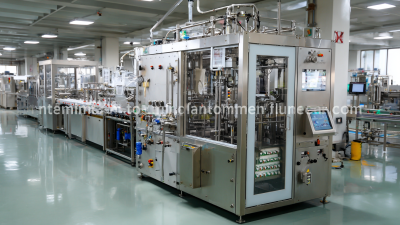
Top Food Packaging Machines in 2025 Trends and Innovations You Should Know
The food packaging industry is undergoing a transformative phase, marked by innovations and trends that promise to redefine packaging solutions by 2025. According to a report by Grand View Research, the global food packaging market size was valued at USD 404.25 billion in 2020 and is expected to witness a compound annual growth rate (CAGR) of 3.4% from 2021 to 2028. This growth is largely driven by the increasing demand for convenient and sustainable packaging solutions, alongside advancements in food packaging machine technology that enhance efficiency and reduce waste.
As we look ahead, several key trends are emerging within the food packaging machine sector. Automation and smart technology are taking center stage, with manufacturers embracing robotics and artificial intelligence to streamline operations and improve precision. Additionally, the focus on sustainability is leading to the development of eco-friendly materials and biodegradable options, catering to the growing consumer demand for responsible packaging choices. With such momentum, food packaging machines are not just adapting to changes but are also becoming pivotal in driving innovation within the industry. The ability to integrate these advanced technologies positions food packaging machines as essential tools for manufacturers seeking to enhance productivity while meeting environmental goals.
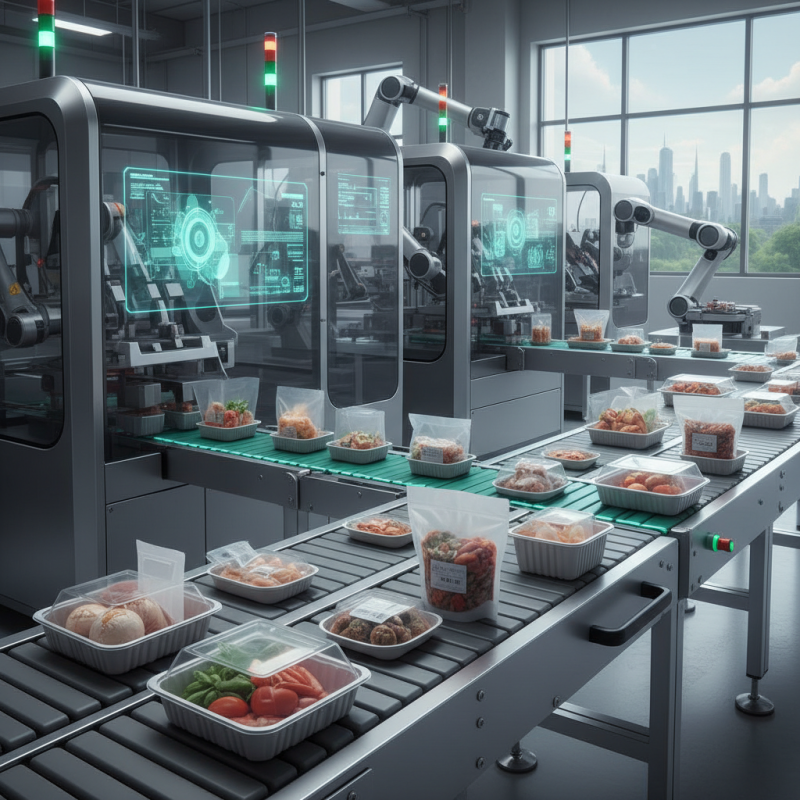
Top Trends in Food Packaging Machines for 2025: An Overview
In 2025, the landscape of food packaging machines is set to undergo remarkable transformation driven by technological advancements and a growing emphasis on sustainability. One of the top trends includes the rise of smart packaging solutions. These innovative systems utilize Internet of Things (IoT) technology to monitor and communicate the condition of products in real-time, enhancing food safety and reducing waste. Manufacturers are increasingly investing in sensors that can provide alerts on temperature, freshness, and overall product integrity, making smart packaging an essential component of modern food distribution.
Another significant trend is the shift towards biodegradable and compostable materials. As consumers become more environmentally conscious, packaging solutions that minimize environmental impact are gaining traction. Manufacturers are exploring plant-based plastics and other eco-friendly materials that not only protect food but also align with sustainability goals. This shift requires companies to innovate continuously, ensuring that their packaging methods meet both regulatory standards and consumer expectations.
Tips: When evaluating food packaging machines, consider incorporating those that offer flexibility in design and functionality. Machines that can easily adapt to different product sizes and types can enhance operational efficiency. Additionally, staying updated on advancements in sustainable materials can give your business a competitive edge in the evolving market. Embracing these trends will not only improve product integrity but also resonate well with a growing customer base that prioritizes eco-friendliness.
Emerging Technologies Driving Innovations in Food Packaging Solutions
The food packaging industry is undergoing a revolutionary transformation driven by emerging technologies that enhance both efficiency and sustainability. One of the most significant trends is the integration of smart packaging solutions that utilize sensors and indicators to monitor the freshness and quality of food products. These innovations not only help in extending shelf life but also provide valuable information to consumers about when their food is at its peak quality. By leveraging materials that can react to environmental changes, manufacturers can develop packaging that not only protects but also educates.
Furthermore, advancements in biodegradable and compostable materials are reshaping how food is packaged. As consumers become increasingly aware of environmental issues, the demand for eco-friendly alternatives grows stronger. Innovations such as plant-based plastics and edible packaging are emerging as viable solutions to reduce plastic waste. This shift is not just a trend but a necessity in responding to global sustainability goals. By adopting these technologies, the food packaging industry is not only addressing consumer preferences but also contributing to a more circular economy, where resources are reused and waste is minimized.
Market Growth Analysis: Food Packaging Machinery Industry Projections
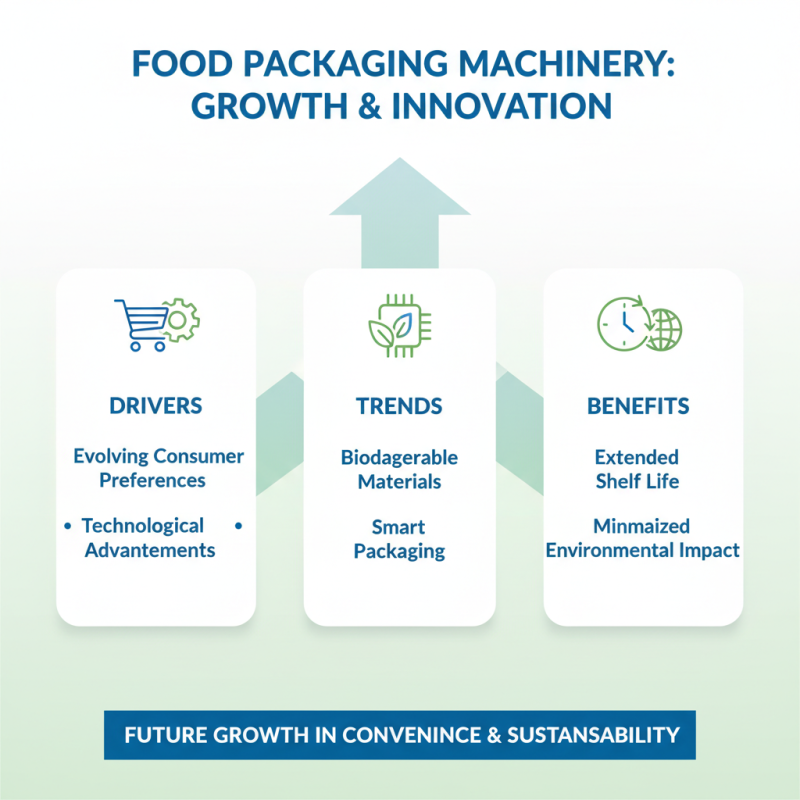
The food packaging machinery industry is poised for significant growth in the coming years, driven by evolving consumer preferences and technological advancements. As the demand for convenience and sustainability increases, manufacturers are investing in innovative packaging solutions that not only extend shelf life but also minimize environmental impact. This trend is evident in the rise of biodegradable materials and smart packaging technologies that enhance product traceability and freshness.
Market projections indicate that the food packaging machinery sector will expand substantially, with a remarkable acceleration in automation and efficiency. The adoption of robotics and AI in packaging processes is expected to streamline operations, reduce labor costs, and improve precision. Additionally, as consumers become more health-conscious, there is a growing emphasis on packaging that preserves product integrity without compromising safety. The integration of advanced sealing and barrier technologies will play a crucial role in meeting these demands, ensuring products remain uncontaminated and appealing over time.
Sustainability in Food Packaging: Innovations Shaping the Future
The food packaging industry is undergoing a significant transformation driven by sustainability. Innovations in sustainable packaging materials and processes are redefining how food products are packaged, distributed, and consumed. According to a recent report by Smithers Pira, the global market for sustainable packaging is projected to reach $600 billion by 2025, indicating a compound annual growth rate of 5.4%. This shift is primarily fueled by increasing consumer demand for environmentally friendly packaging solutions and stricter regulations aimed at reducing plastic waste.
A key trend in this evolution is the development of biodegradable and compostable packaging materials that minimize environmental impact. For instance, research shows that biodegradable films derived from natural sources, such as plant starches, are gaining traction due to their reduced carbon footprint. Furthermore, innovations in packaging design, such as minimalistic packaging and reduced material usage, play a crucial role in reducing waste. The adoption of advanced technologies, such as intelligent packaging that includes sensors for tracking freshness, also enhances sustainability by extending the shelf life of food products, thereby reducing food waste. As these trends continue to reshape the industry, the emphasis on sustainability remains paramount in driving innovations in food packaging.
Key Players and Their Contributions to Food Packaging Machine Trends
The food packaging machine industry is undergoing significant transformations, driven by technological advancements and changing consumer demands. Key players in the market are innovating with automated solutions, sustainability, and smart packaging technologies. According to a recent report by MarketsandMarkets, the global food packaging machinery market is projected to reach $50 billion by 2025, growing at a CAGR of 4.5%. These developments not only enhance efficiency but also address environmental concerns, with many manufacturers focusing on biodegradable and recyclable materials.
Innovative features like IoT integration are becoming increasingly common, allowing for real-time monitoring and management of production processes. This transition to smart packaging systems is evident in the rising demand for machines that can accommodate various packaging formats and sizes. A report from Grand View Research highlights that the use of robots in packaging is expected to increase by 28% annually, reflecting a shift towards greater automation. Key players are also investing in user-friendly interfaces, ensuring that their machines can be easily operated by staff with varying skill levels.
Tips: When considering food packaging machinery, assess the sustainability of materials and the adaptability of the machines to various production scales. It’s crucial to stay updated on regulatory standards, as compliance ensures not only safety but also market acceptance. Investing in training for staff on new technologies can maximize efficiency and minimize downtime during the transition to advanced packaging systems.
Top Food Packaging Machines in 2025: Trends and Innovations
Related Posts
-
Top Strategies for Choosing the Best Food Packing Machine for Your Business
-
Exploring Cost Effective Alternatives to the Best Vertical Packaging Machine for Your Business
-
Top Strategies for Sourcing the Best Food Packing Machine Globally
-
Discover Excellence in Manufacturing with the Leading Horizontal Packaging Machine from Top Chinese Factory
-
How to Choose the Right Food Packing Machine for Your Business Needs
-
The Ultimate Guide to Choosing the Right Sealing Machine for Your Packaging Needs