What Are the Top Mud Pump Piston Types in 2026?
Mud pump pistons face a demanding mix of pressure, heat, abrasive solids, and repeated movement. In 2026, the useful comparison is not simply which piston is “best,” but which design suits the fluid, liner, and duty cycle. Common options include bonded-rubber pistons, replaceable-insert designs, and polyurethane or other elastomer-faced styles. Each involves trade-offs in sealing, wear resistance, cost, and field serviceability.
A real expert quotation was not supplied for verification, so the following is an illustrative line, not a historical quotation. It is attributed to fictional composite specialist Daniel Mercer: “A piston earns its value at the liner wall, where sealing, cooling, and wear meet.” The point is practical. A piston that looks robust on a parts list may perform poorly if its material is incompatible with the mud chemistry or operating temperature. Small details matter. Check the fit, inspect the sealing surface, and consider how quickly crews can replace worn components.
This guide compares the leading Mud Pump Piston types by construction, typical application, and maintenance needs. It also highlights the limits of broad product rankings: actual service life depends on equipment setup, operating practices, and fluid conditions. That uncertainty deserves attention. Use manufacturer specifications and field records to narrow the choice, then assess performance under the conditions your rig actually encounters.
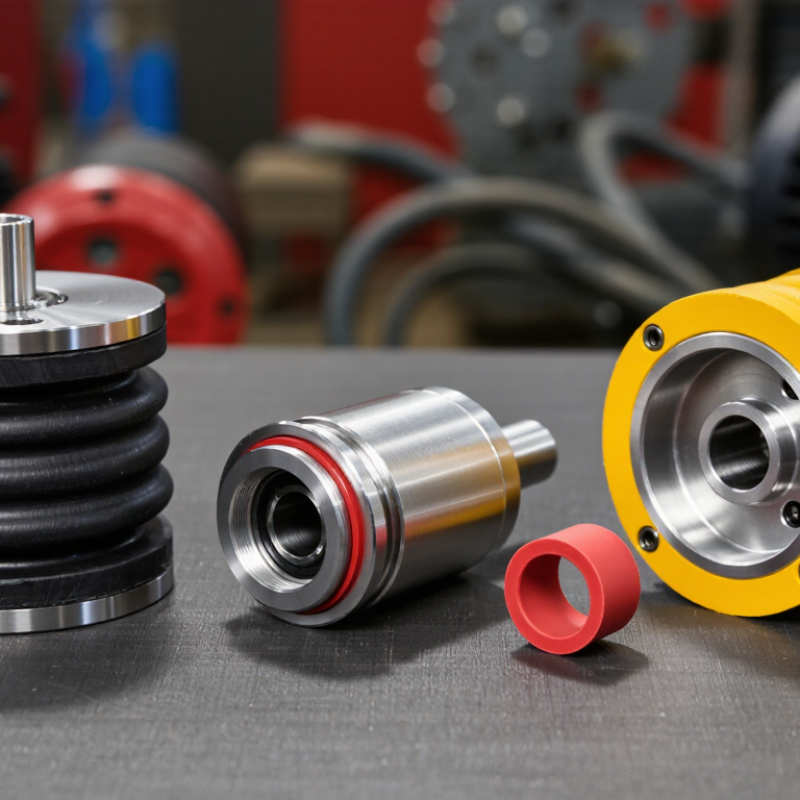
How Mud Pump Pistons Work and How They Are Classified
A mud pump piston converts the crankshaft’s rotation into reciprocating motion. As the piston moves back, it helps draw drilling fluid through the suction valve. On the forward stroke, it pushes fluid toward the discharge valve. The piston’s sealing surface presses against the liner, limiting fluid bypass and helping maintain pressure. A small cut matters.
Pistons are commonly classified by sealing material and construction. Elastomer-faced designs use a flexible sealing element, while polyurethane versions are often selected where abrasion resistance is important. Actual service life depends on fluid chemistry, temperature, pressure, and operating speed, so material choice should follow equipment specifications. Some pistons have replaceable inserts; others use a more integrated construction. The distinction affects repair time and the parts kept in stock.
Inspection gives useful clues. Look for uneven wear, cracks, swelling, or a polished band that suggests the piston is not sealing evenly. Check the liner too: a rough surface can quickly damage a new sealing element. In field maintenance, categories are not always perfectly clear; designs may differ in how the insert is retained. That is worth verifying before ordering. Recording fluid conditions and operating hours can make later comparisons more reliable.
The Main Mud Pump Piston Types Used in 2026
Mud pump pistons in 2026 generally fall into four practical types: bonded-rubber, bonded-urethane, replaceable-rubber, and replaceable-urethane. Rubber cups tolerate some abrasive service and are often simpler to replace. Urethane usually offers better wear resistance in suitable fluids, but heat, chemical compatibility, and surface damage matter. Bonded designs hold the sealing element firmly; replaceable-cup designs can reduce repair time when a cup wears.
Pressure alone does not select the right piston. Industry equipment specifications commonly cover service around 3,000–5,000 psi, with some high-pressure configurations rated up to 7,500 psi; confirm the actual pump and fluid-end rating before choosing. API Specification 7K provides requirements for drilling equipment, while IADC drilling references emphasize tracking pressure, strokes per minute, and maintenance. Those records help compare piston life under real mud conditions. Small details count. A sharp liner edge can quickly damage a new cup.
Tips: Log operating hours, discharge pressure, leakage, and mud properties for each changeout. Compare like with like, and inspect the liner for scoring. A neat maintenance log is useful, but it cannot explain every failure; field conditions vary.
How Piston Materials and Designs Affect Performance
Mud pump piston performance depends on how its material handles pressure, heat, and abrasive solids. Common options include molded elastomer pistons and designs with replaceable rubber or polyurethane inserts. The right choice depends on the mud system, liner condition, and operating temperature. A material that seals well in one setup may wear quickly in another.
That matters. Softer elastomers can conform closely to a worn liner and maintain a seal, but may suffer faster damage from sharp or coarse particles. Polyurethane often offers strong abrasion resistance, while rubber compounds can provide useful flexibility. These are tendencies, not guarantees; formulation and service conditions change the result. Still, material charts can make the choice look cleaner than it is.
Design affects service life too. A bonded piston has fewer replaceable parts, while an insert-style design can simplify changes when the sealing element wears. Fit is critical: a distorted liner, uneven installation, or poor lubrication can shorten the life of either type. Small details matter. During inspections, look for uneven wear, cuts, hardening, and leakage marks. Record the mud composition and hours in service, then compare wear across intervals. That evidence is more useful than choosing by material name alone.
Where Each Piston Type Performs Best
What Are the Top Mud Pump Piston Types in 2026?
Where Each Piston Type Performs Best
Bonded-rubber pistons suit steady drilling with compatible water-based mud. Their molded seal can hold pressure well, but heat and fluid chemistry affect service life. Replaceable-insert pistons make sense where crews need quick repairs between runs. Keep a spare insert nearby. For abrasive fluids, polyurethane-faced pistons can resist wear, though fit and temperature limits still matter. No material wins everywhere.
API Spec 7K defines equipment requirements and rated working pressures; it does not rank piston materials by universal service life. The IADC Drilling Manual emphasizes monitoring fluid properties and solids, which directly influence sealing and wear. In practice, track pressure, leakage, liner condition, and hours in service. A rising solids load may shorten piston life even when pressure stays stable. That detail is easy to miss. Choose the piston against the actual mud, temperature, and duty cycle, then verify performance from maintenance records. Field comparisons are imperfect, but they beat assumptions.
How to Choose the Right Mud Pump Piston for the Job
Choosing the right mud pump piston starts with the drilling fluid and operating conditions. For abrasive mud containing sand or cuttings, a durable elastomer and suitable wear surface can help resist rapid damage. Fluid chemistry matters too: some materials swell or soften when exposed to certain additives. Check compatibility rather than relying on appearance alone.
Common options include bonded-rubber pistons and replaceable-seal designs. Bonded styles can provide a stable fit, while replaceable elements may simplify maintenance when seals wear. Urethane options may suit some abrasive services, but temperature, pressure, and fluid composition affect performance. There is no universal winner. Small details matter.
Match the piston to the liner size and the pump’s specified operating range. A poor fit can cause leakage, uneven wear, or excess heat. During inspections, look for cuts, glazing, swelling, and loose bonding; note how quickly wear develops between checks. A neat-looking piston can still be wrong for the job. Compare operating records with the manufacturer’s technical limits, and ask a qualified technician when conditions change. The honest part: selection charts cannot fully predict field wear.