
What Are the Top Types of Silent Diesel Generator Sets?
A Silent Diesel Generator Set is designed to supply dependable power while limiting engine and exhaust noise. “Silent” does not mean completely quiet. It usually describes a diesel generator fitted with an acoustic enclosure, sound-absorbing materials, and a carefully designed airflow system. The result can suit sites where noise needs attention, such as offices, hospitals, construction areas, or homes during outages. Details matter.
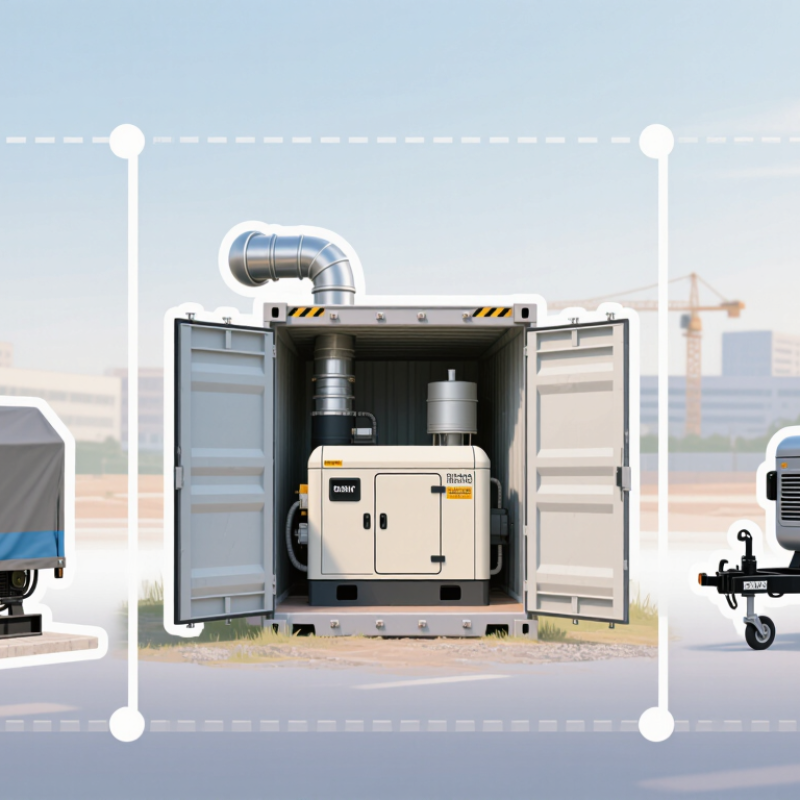
This guide explores the main types, including canopy-enclosed units, containerized generators, and mobile or trailer-mounted models. Canopy units are often chosen for fixed installations, while containerized sets can support larger power requirements and longer-term outdoor use. Mobile models offer flexibility when power needs shift between locations. These categories can overlap, so the label alone may not tell you what a unit can handle.
Choosing the right set means looking beyond advertised noise figures. Actual sound levels vary with load, distance, installation, and surrounding surfaces. Capacity, fuel consumption, ventilation, weather protection, maintenance access, and expected running hours also deserve attention. A compact unit may fit a tight site but provide limited output; a larger enclosure may need more room and careful airflow planning. Not always an easy trade-off. The sections ahead compare common configurations and explain what to check before selecting a generator. Specifications should be confirmed with the manufacturer for the intended operating conditions. A quiet rating is useful, but it is only one part of a reliable power decision.
How Silent Diesel Generator Sets Are Classified
What Are the Top Types of Silent Diesel Generator Sets?
How Silent Diesel Generator Sets Are Classified
Silent diesel generator sets are usually classified by enclosure, installation, and intended use—not by one universal “silent” grade. An acoustic canopy surrounds the engine and alternator with sound-absorbing panels. Containerized sets use a larger weatherproof housing, often suited to outdoor or higher-capacity installations. A basic enclosure may be easier to move, while a container can provide more room for ventilation and maintenance. Quiet claims need context.
ISO 8528-1:2018 classifies generator-set performance from G1 to G4, based on how well a set handles changing electrical loads. These are performance classes, not noise classes. For noise context, WHO’s Guidelines for Community Noise (1999) give 55 dB(A) outdoors by day and 45 dB(A) at night for specific community settings. These are not generator certification limits. Compare sound readings only when distance, load, and test method are stated; otherwise, a single dB figure can mislead.
Tips: Check whether the rating is sound pressure or sound power, and ask for readings at a stated distance and load. Also inspect airflow paths and exhaust silencers. A tighter enclosure may reduce noise, but poor ventilation can affect performance. That trade-off is easy to overlook.
What Are the Top Types of Silent Diesel Generator Sets?
Common classifications by enclosure and mobility, compared by indicative sound-pressure level.
Typical indicative ranges at 7 m: actual noise varies with generator size, load, enclosure design, measurement conditions, and local standards. Check the manufacturer's published sound data for a specific unit.
Canopy-Enclosed Silent Diesel Generator Sets
Canopy-enclosed silent diesel generator sets place the engine and alternator inside an acoustically treated housing. The panels help reduce engine and exhaust noise, while louvers direct cooling air through the enclosure. This can make a unit more suitable near workshops, farms, or occupied buildings.
Quiet, not silent.
A good canopy also helps protect equipment from rain, dust, and accidental contact. Check that doors open wide enough for routine servicing, including access to filters and battery terminals. Ventilation matters: blocked air inlets can cause overheating, especially during long runs in hot weather. A sturdy enclosure may reduce noise, but it also adds weight and takes up more space. Those trade-offs are easy to underestimate.
Before selecting a set, compare its stated sound level with your expected load and measuring distance. Readings can vary with site conditions, so a specification alone may not predict what nearby people hear. Ask how exhaust outlets, airflow, and vibration mounts are arranged. At installation, leave clearance around the canopy and avoid placing it where hot air can recirculate. The enclosure is only one part of noise control; the site layout matters too. An imperfect fit between the unit and its location can undermine an otherwise sensible choice.
Containerized Silent Diesel Generator Sets
What Are the Top Types of Silent Diesel Generator Sets?
Containerized Silent Diesel Generator Sets
Containerized silent diesel generator sets house the engine, alternator, controls, and connections inside a weather-resistant enclosure. Acoustic lining and treated air inlets help reduce noise, while ventilation prevents overheating. These units suit construction sites, hospitals, data facilities, and other outdoor power applications. “Silent” is relative: fans, exhaust, vibration, and nearby walls can still make noise.
The enclosure’s design matters as much as its insulation. Check sound ratings for the stated distance, load, and test conditions; differently measured figures are not directly comparable. The IFC General Environmental, Health, and Safety Guidelines (2007) give residential noise benchmarks of 55 dBA by day and 45 dBA by night, based on one-hour average levels. These are community-noise guidelines, not guaranteed generator limits. Site layout and operating hours still matter.
Tips: Confirm that service doors can open fully and hot air will not return to the intake. Ask for sound data at the expected load. Small detail, big difference. Leave room for maintenance, and inspect acoustic seals over time; even a small gap can reduce performance. Container units simplify deployment, but their weight and access needs deserve careful planning.
What Are the Top Types of Silent Diesel Generator Sets? — Containerized Silent Diesel Generator Sets
| Type | Typical configuration | Sound-control approach | Common applications | Key selection considerations |
|---|---|---|---|---|
| Acoustic-canopy silent generator set | Engine and alternator housed in a weather-resistant acoustic enclosure; commonly selected for small and medium standby or prime-power duties. | Sound-absorbing lining, engineered air inlets and outlets, and a silenced exhaust system reduce engine and exhaust noise. | Commercial buildings, farms, workshops, and backup power for smaller facilities. | Check ventilation, service access, fuel capacity, weather protection, and the specified noise level and measurement distance. |
| Containerized silent generator set | Generator equipment installed in a purpose-built enclosure, often based on a 20-foot or 40-foot container format. The enclosure is designed for the specific generator and its systems. | Acoustic treatment is combined with ventilation, exhaust attenuation, and access doors designed for the installation. | Industrial sites, large commercial facilities, data centers, and projects requiring a packaged power unit. | Allow for lifting and transport limits, airflow, exhaust routing, fire safety, maintenance clearances, and site access. The finished unit may differ from standard container dimensions. |
| Super-silent containerized generator set | A containerized configuration with additional sound-attenuation measures; available in a range of generator capacities depending on the design. | May use thicker or higher-performance acoustic materials, improved baffles, and additional exhaust silencing. Actual results depend on the complete installation. | Urban sites, hospitals, offices, and other locations with stricter noise constraints. | Request a guaranteed sound-pressure or sound-power specification with the test standard, operating load, and measurement conditions stated. |
| Mobile containerized generator set | Acoustic generator enclosure mounted on a road trailer or transportable skid, with tie-down and lifting provisions suited to relocation. | Uses an acoustic enclosure and silenced exhaust while retaining access for transport, setup, and servicing. | Temporary construction power, events, emergency response, and rental applications. | Confirm transport regulations, axle and gross weights, towing requirements, fuel arrangements, grounding, and connection provisions. |
| Modular or parallel-ready containerized set | One or more enclosed generator modules designed to operate independently or in parallel through compatible control and switchgear systems. | Each module has its own acoustic and exhaust controls; the overall site noise also depends on the number of units and their placement. | Facilities needing staged capacity, redundancy, or the ability to expand generation over time. | Check load-sharing controls, synchronization, switchgear ratings, redundancy strategy, and cumulative noise at nearby receptors. |
Note: These categories describe common enclosure and deployment configurations, not fixed industry-wide capacity bands. Noise performance, dimensions, and available power vary by generator design, load, acoustic package, and installation. Compare specifications using the same test method and operating conditions.
Trailer-Mounted and Mobile Silent Diesel Generator Sets
Trailer-mounted and mobile silent diesel generator sets bring backup power to changing worksites. A sound-attenuated enclosure can reduce operating noise, but “silent” does not mean noiseless. These units suit construction projects, temporary events, and remote maintenance crews. Their wheels and towable frames make repositioning practical. Still, mobility adds checks: confirm vehicle capacity, trailer clearance, and safe access before delivery.
The U.S. Energy Information Administration’s 2022 Annual Electric Power Industry Report recorded an average 5.6 hours of customer interruptions when major events were included. That national figure is context, not a site-specific forecast. For mobile use, size the generator against measured running loads and motor-starting demand. Check fuel autonomy, ventilation, exhaust direction, and enclosure access for servicing. A tight site can make even a well-sized unit awkward.
Tips: Photograph the setup area before delivery. Confirm ground firmness, cable routes, and clearance around the exhaust. Keep a little spare capacity, but avoid oversizing without a load study. Small details matter. A rushed placement can create noise or maintenance problems that the enclosure cannot solve.
Portable and Compact Silent Diesel Generator Sets
Portable and compact silent diesel generator sets are designed for sites where space, movement, and noise control all matter. A wheeled frame or lifting points can help move a unit across a yard, while an acoustic enclosure reduces engine noise. “Silent” does not mean inaudible. You may still hear a steady low-frequency hum, especially in a narrow courtyard or beside a hard wall. That detail is easy to overlook.
Compact size can simplify transport, but it does not guarantee enough power. Check the generator’s continuous output against the actual load, including the brief starting surge from pumps, compressors, or refrigeration equipment. Leave room for airflow and routine access to filters, oil, and fuel connections. A cramped installation can make maintenance awkward and may restrict cooling. Not ideal.
Match the enclosure’s weather protection to the site, and follow the operating and ventilation instructions supplied for the equipment. Before moving a portable unit, secure loose cables and confirm that the route can handle its weight. A smaller set is convenient, but choosing one too close to the load requirement can mean frequent overloads or limited expansion. The right balance is practical, not merely compact.
