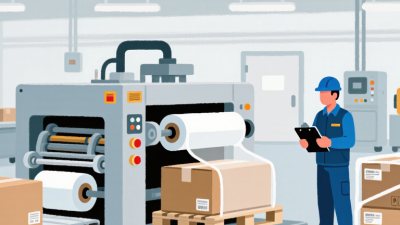
Top Plastic Wrapping Machines for Global Buyers
For global buyers, choosing a plastic wrapping machine is less about chasing the highest advertised speed and more about matching equipment to actual packaging needs. A stretch wrapper for palletized loads serves a different purpose from a flow wrapper for individual products. Load size, product shape, film type, and daily output all influence which machine will perform reliably. Small details matter.
This guide examines common machine types and the practical features buyers should compare, including wrapping consistency, changeover time, controls, maintenance access, and operator safety. A clear product sample and realistic throughput target can make supplier discussions more useful than a broad request for “high capacity.” Ask for test results using your own products when possible. A demonstration can reveal film breaks, uneven tension, or awkward loading steps that a specification sheet may not show.
Price still matters, but purchase cost alone gives an incomplete picture. Spare-part availability, technical support, training, and shipping arrangements can shape the machine’s long-term value, especially for buyers operating far from the manufacturer. Verify specifications and service commitments in writing, and check that installation requirements fit your site. No comparison can remove every uncertainty. Even a careful shortlist may overlook a workflow issue that appears only during production. The strongest choice is usually the machine that fits the product, staff, and operating conditions—not simply the most impressive model on paper.
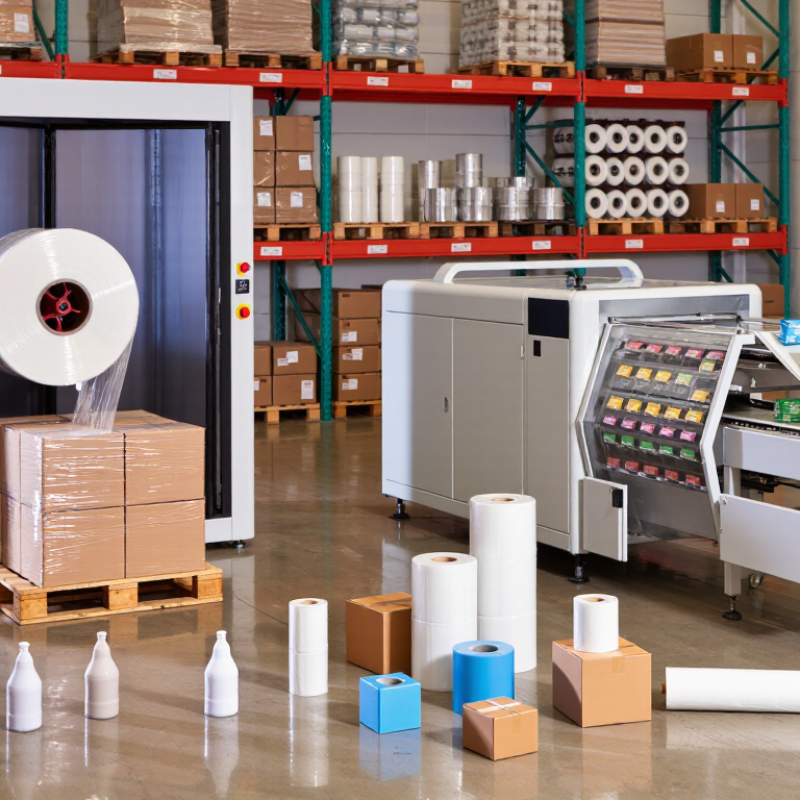
Check ISO 6780 pallet sizes: 1,200 × 800 and 1,200 × 1,000 mm
ISO 6780 includes two widely used pallet footprints:
1,200 × 800 mm
and
1,200 × 1,000 mm.
Match the wrapping machine’s turntable or conveyor capacity to the pallet, not just the product dimensions.
Measure both.
A load may overhang the deck, and corner boards or uneven cartons can widen it further.
Check the full load width, length, and height before choosing a machine.
The pallet footprint also affects centering, film reach, and clearance around the wrapping area.
A 1,200 × 1,000 mm pallet needs more working space than a 1,200 × 800 mm one.
Confirm the machine’s stated maximum load size and weight, then test with a representative pallet.
Small differences matter.
Still, a neat specification sheet can be misleading: pallet condition, shifted cartons, and loose film tails may change how a load wraps in practice.
Record those details during a trial, even if the first test looks fine.
Compare turntable, rotary-arm, and ring wrappers by load rating and cycles per hour
Top Plastic Wrapping Machines for Global Buyers
Turntable wrappers rotate the pallet while a film carriage moves vertically. They suit stable loads and moderate throughput. As a rough screening range, many models handle about 1,500–5,000 pounds and complete 20–40 loads per hour. Check whether the stated rating includes tall or uneven pallets. A shifting carton stack can be a problem.
Rotary-arm wrappers keep the load stationary, which helps with light, unstable, or awkward products. Typical equipment may be rated around 2,000–5,000 pounds, with roughly 30–60 cycles per hour. Actual output depends on pallet height, film settings, and operator loading time. That last factor is easy to underestimate.
Ring wrappers move the film carriage around a stationary load and often suit faster lines. Some systems reach about 60–120 cycles per hour, while load ratings vary by frame and configuration. Ask suppliers to define a “cycle”: wrapping pattern and top-sheet application can change the count. Run a test with your heaviest real pallet, not an ideal sample. I would compare measured hourly output against the line’s actual pace; published figures can look better than a busy shift.
Select stretch film with ASTM D4649; assess cling using ASTM D5458
For global buyers, a wrapping machine and its film should be assessed as one working system. ASTM D4649 offers guidance on selecting and using stretch wrap films; it is not a universal pass-or-fail rating. Check the film’s stated thickness, width, and intended application against the machine’s tension and pre-stretch settings. A roll that runs smoothly at the supplier’s test speed may behave differently on a cold warehouse floor. Small details matter.
Cling deserves a separate check. ASTM D5458 describes a test method for measuring cling between stretch film surfaces. Ask for results tied to the film grade you plan to buy, and confirm the test conditions with the supplier or testing laboratory. Strong cling can help secure overlapping layers, but it cannot fix poor load patterns or uneven wrapping. Watch a real pallet cycle: note loose tails, film breaks, and shifting corners. That sounds tidy on paper. Loads are less tidy. A sample roll and a short machine trial can expose problems before a large order, though one trial rarely represents every season or load shape.
Rank top machines by pallets per hour, film use per load, and containment force
Top plastic wrapping machines should be compared by pallets per hour, film used per load, and containment force—not by advertised speed alone. A turntable wrapper can suit steady, moderate-volume lines, while a rotary-arm machine handles unstable or heavy loads without rotating the pallet. Ring systems may deliver high throughput on continuous lines. The right ranking depends on pallet size, load shape, and available floor space.
Measure sustained output across a real shift, including film changes and operator delays. Fast cycles look good on paper. Weigh the film roll before and after a set number of pallets to estimate use per load. A pre-stretch carriage can reduce consumption, but poor settings may leave loose corners or damaged cartons. Less film is not always better.
Containment force matters most when loads face bumps, braking, or uneven floors. Check force at the top, middle, and bottom with a calibrated gauge, then inspect whether cartons shift during handling. Compare machines using the same pallet, film, and wrap recipe. Small differences in load height can skew results. A ranking based on one perfect test pallet may mislead; repeat trials with ordinary loads, including the awkward ones.
Top Plastic Wrapping Machines for Global Buyers
A practical comparison of common pallet-stretch-wrapping configurations, ranked by typical throughput potential.
Buyer note: Throughput and film-use figures are indicative planning ranges, not guaranteed specifications. Actual results depend on pallet dimensions, load stability, film gauge and pre-stretch, wrap pattern, changeover time, and line integration. Containment force is a load-and-recipe result—not a fixed machine rating—and should be specified and verified by testing representative loads at the top, middle, and bottom.
Verify export suitability against CE requirements and local electrical standards
Top Plastic Wrapping Machines for Global Buyers
Export suitability is more than a shipping question. Check whether the machine’s CE marking and supporting declaration cover its specific model and intended use. Requirements can vary by machine type and destination, so request the applicable conformity documents rather than relying on a logo alone. Also confirm voltage, frequency, plug type, grounding, and protective devices against the site’s electrical supply. A machine built for one market may need configuration changes elsewhere.
Tips: Ask for the electrical diagram and rated input. Compare them with your facility’s supply before ordering. If possible, request a video of the machine wrapping your film and product size. Small details matter.
Paperwork can look complete, yet an installation detail may still be wrong. Have a qualified local electrician review the connection requirements, especially where voltage or frequency differs. Ask who handles adjustments, commissioning, and replacement parts after delivery. Record the machine model and document versions, and clarify whether modifications could affect conformity. These checks take time, but they can prevent delays at installation. One detail is easy to overlook: the film’s width and tension may affect wrapping performance, even when the electrical specifications match.